

How Many Targeted Removal Spells for EDH Decks?

The Quick Answer: Targeted Removal Ratio for EDH
Start with 5 to 8 spot removal spells as part of an 8 to 12 total removal and interaction package. That's your baseline. If you're running a Standard deck in Magic: The Gathering, you'd think differently—but Commander is a multiplayer, 100-card singleton format, and you should adjust based on your deck's speed, colors, and local meta.
Why Targeted Removal Matters in Commander
Targeted removal spells are used to disrupt an opponent's combo piece, destroy a powerful creature, or temporarily offset tempo, but in Commander these applications come with additional considerations that players must take note of. The multiplayer nature of the format changes everything.
One of the main ways targeted removal changes in multiplayer is that it can become a form of card disadvantage—if Player A uses a removal spell on Player B's creature, Player A loses one card while removing one threat, but Players C and D haven't spent any resources during this exchange.
This dynamic makes Commander players cautious about including too many targeted removal spells, or at least wary of using them too wantonly during gameplay, as they may unintentionally provide advantages to other players.
Spot Removal vs. Board Wipes in EDH Decks
Your overall removal strategy shouldn't just be "targeted creature kill." An 8 to 12 removal and interaction package typically includes 5 to 8 spot removal spells and 2 to 4 board wipes. But here's the key: Some spot removal (3-5 pieces) is essential to ensure you can deal with must-answer threats, and you should try to get 2-for-1s or more from your spot removal.
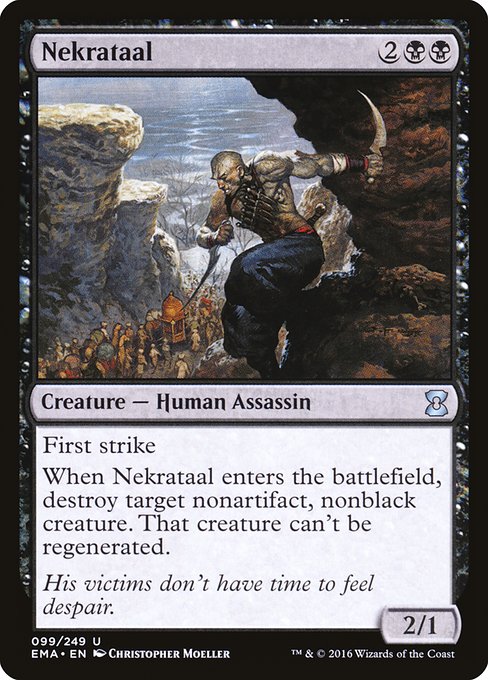
Planeswalkers like Chandra, Torch of Defiance, or creatures with removal-based ETBs like Nekrataal and Skyclave Apparition are spot removal with extra value. When you have limited slots, prioritize removal that does double duty.


Efficiency and Mana Cost Matter Most
Prioritize cheap and flexible answers when you can—Swords to Plowshares is excellent because one mana answers many of the scariest creatures in the format. Ideally, you want your removal to be 2 mana or less, and instant-speed. That efficiency is why cards like Swords to Plowshares, Beast Within, and Generous Gift show up in so many optimized decks.
Swords to Plowshares is the pinnacle of creature removal—the downside of a small amount of lifegain is negligible in a format where players start at 40 life.


Diversify Your Removal by Permanent Type
This is where many newer players stumble. Diversifying removal means having removal to deal with multiple card types—if all of your removal only kills creatures, you'll be in trouble when you run into commanders that heavily rely on non-creature permanents like artifacts and enchantments.
Your removal package should not only kill creatures—you do not need every card to answer everything, but you do need the full deck to answer enough permanent types that you are not cold to one common card type.
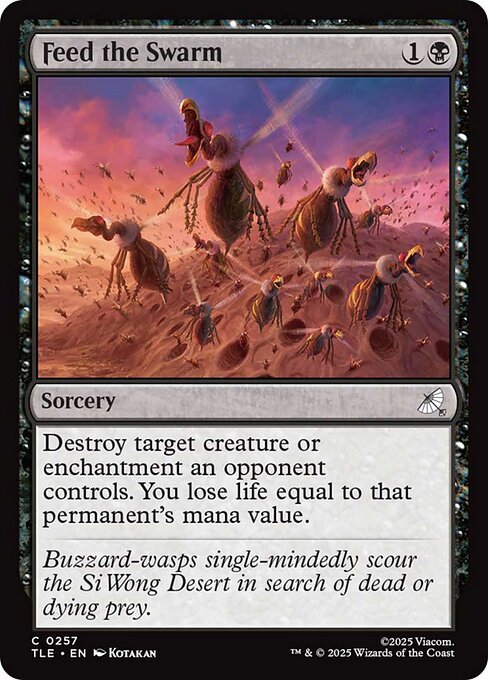
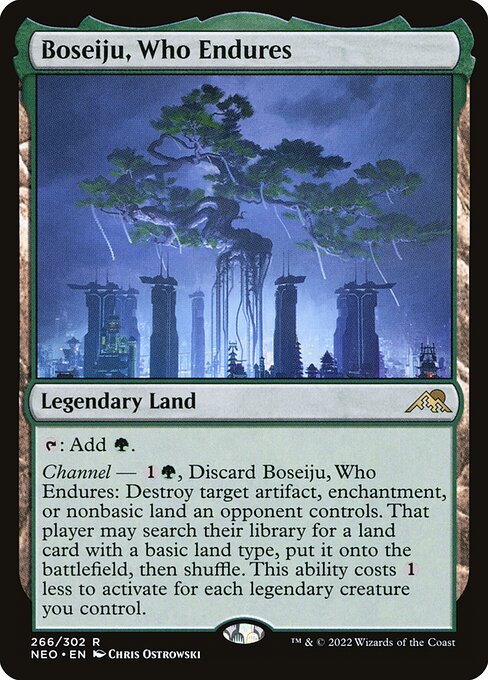
Cards like Beast Within, Generous Gift, Anguished Unmaking, Assassin's Trophy, Feed the Swarm, and Boseiju, Who Endures earn their slots because they keep you from losing because your deck drew the wrong kind of removal.


How Targeted Removal Changes by Deck Type
Spot removal handles the one card that cannot stay on the table—in Commander, that card might be a commander, a combo creature, a draw engine, a sacrifice outlet, or a permanent that shuts your deck off. You do not need to kill every creature; you need enough cheap answers to avoid dying to the cards that actually matter.
For combo decks, your removal is often defensive—you're stopping the one spell that stops you, not trying to answer everything. For control decks, you want efficient answers and a draw engine. For aggressive decks, you might run fewer removal spells overall and rely more on your own threats.
The Common Mistakes with Targeted Removal
The common mistake is loading up on removal that is too narrow—if your card only kills nonblack creatures, only hits tapped creatures, or costs five mana to answer one thing, it needs to be doing something special.
Also avoid the "single-type only" trap. Targeted hand disruption is bad in Commander—targeted discard trades 1-for-1 like Swords to Plowshares but gets less effective the later the game goes.
If you always have answers but never develop your own plan, you may have gone too far with removal. Removal is a tool, not your whole deck.
Real Examples of Strong Targeted Removal
The best targeted removal for each color includes Swords to Plowshares for white, Rapid Hybridization for blue, Infernal Grasp for black, Abrade for red, and Beast Within for green.
Cross-color removal that hits multiple permanent types opens up even more options. Cards like Beast Within, Generous Gift, Anguished Unmaking, and Assassin's Trophy provide flexibility when dealing with various permanent types.


Tuning to Your Meta and Playgroup
Adjust your targeted removal based on your deck's speed, colors, and local meta. If your deck keeps losing to the same permanent type, your removal package is too narrow.
The sweet spot is boring in the best way: enough answers to stay alive, enough proactive cards to win, and enough flexibility that one weird permanent does not ruin your night.
The beauty of Commander is that the "right" answer depends on your playgroup. Play 5–10 games, track what kills you or what you can't answer, and adjust accordingly. If you find yourself constantly wishing you had answered a specific card type, that's your signal to add more flexible removal.
Final Deckbuilding Checklist
Start with 8 to 12 removal and interaction spells total, including 5 to 8 spot removal spells and 2 to 4 board wipes, and ensure your package includes spot removal, board wipes, flexible permanent answers, and sometimes stack interaction like counterspells.




Comments
Join the conversation.