

How to Build an Aggro EDH Deck for Multiplayer
Why Aggro EDH Is Harder Than Standard—And How to Make It Work
Aggro decks do tend to struggle somewhat in Commander. As the number of players and their combined health increases, the possibility of rushing them down in the game's early turns grows more distant. In Commander, you're not targeting one opponent with 20 life; you need to take down three opponents, totaling 120 life. On top of that, for every card you draw, your opponents collectively draw three, which usually translates to more resistance against your aggression.
The good news? With the right commander at the helm, it's still very much doable. Here are these commanders, all of whom have the capacity to end the game before your opponents are finished setting up their mana rocks. The key is understanding that aggressive EDH operates by different rules than aggressive Standard or Modern. You can't just throw cheap creatures at the table and hope for the best.
Choosing a Commander That Enables Your Aggression
The best aggro commanders do one of three things: Build a board state, reward you for building a board state, or turn a board state into a win. Let's break down what works:
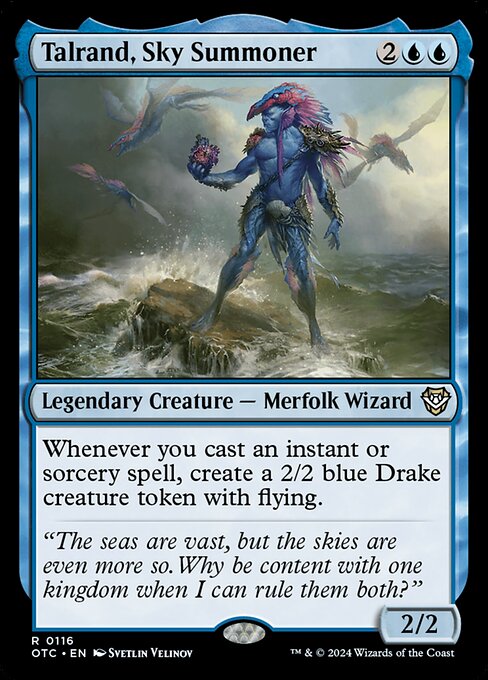
Board Builders: Commanders that build a board state often do so by pumping out tokens. Cards like Talrand, Sky Summoner and Otharri, Suns' Glory spam creatures to overwhelm their opponents, making room for cards that synergize with their tokens and push them over the threshold.
Board Rewaders: Rewarding you for building a board state can look like a few different things. For example, Marchesa, the Black Rose rewards playing creatures with +1/+1 counters and resiliency.
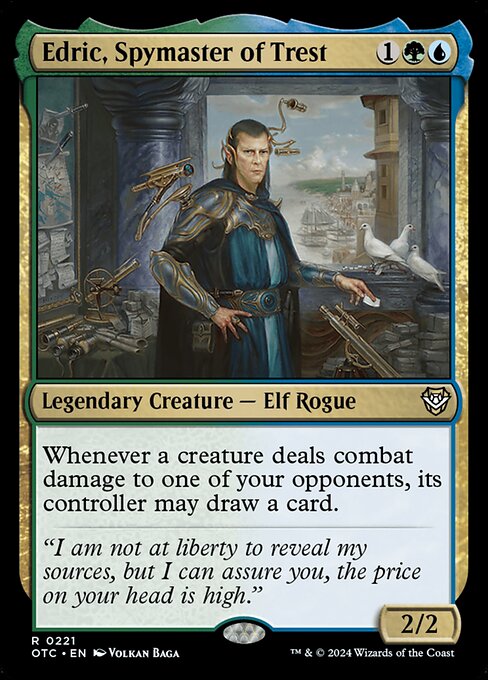
Damage Converters: Aggro commander ranked that convert a board state into a win typically do so via damage. Jetmir, Nexus of Revels is the best example with its massive anthem effect, while Edric, Spymaster of Trest and Commissar Severina Raine demonstrate other ways to close the game.
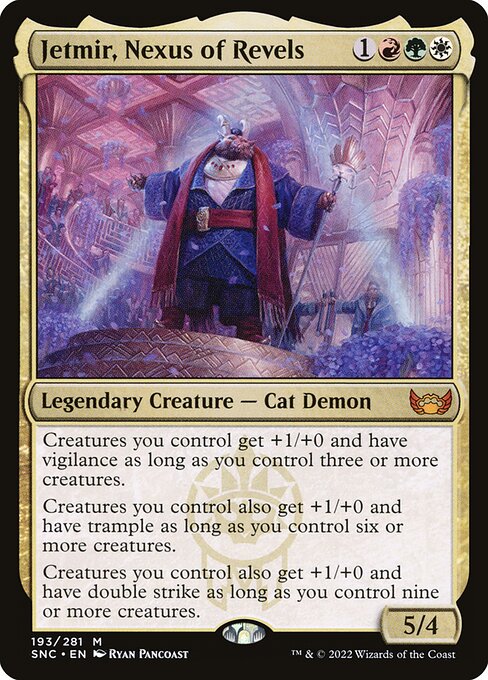
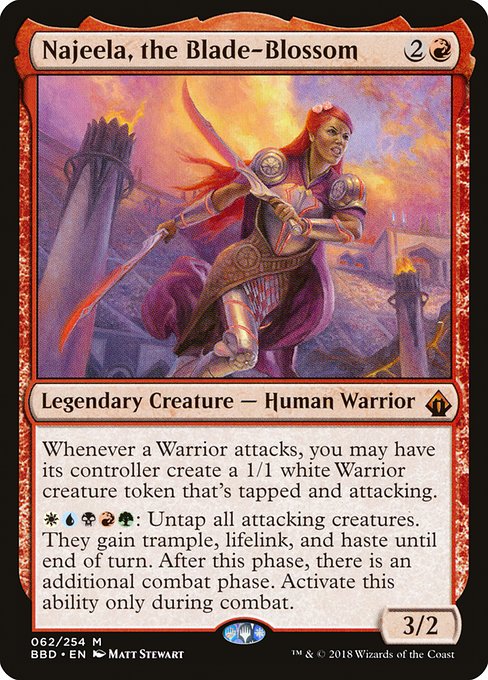
Some standouts worth studying: Jetmir, Nexus of Revels reliably turns a board of mana dorks and tokens into a lethal strike force that eliminates the competition on EDH night. Jetmir comes very close to Craterhoof Behemoth in the command zone, making it a fearsome finisher for aggressive strategies. One of the most straightforward Aggro commanders ever printed, all you need to do to win with Najeela is attack with Warriors. That's it.
The Mana Curve: Lean But Not Starved
This is where most aggro EDH builds fail. A low-ramp deck (like some spellslinger or aggro builds) needs an aggressively low curve—average 2.8 or below—to keep pace. But don't confuse "low curve" with playing only 1- and 2-drops; that's how you whiff by turn 5.
Skimp on two-drops, and you'll spend the first three turns playing lands and passing. That's three turns of falling behind in a multiplayer game. This is the most common mistake in Commander deckbuilding.
A healthy aggro EDH curve looks like this:
Core Staples for Aggressive EDH Decks
Not every card that works in Standard aggro works in Commander. You need velocity, resilience, and payoffs. Here's what to pack:
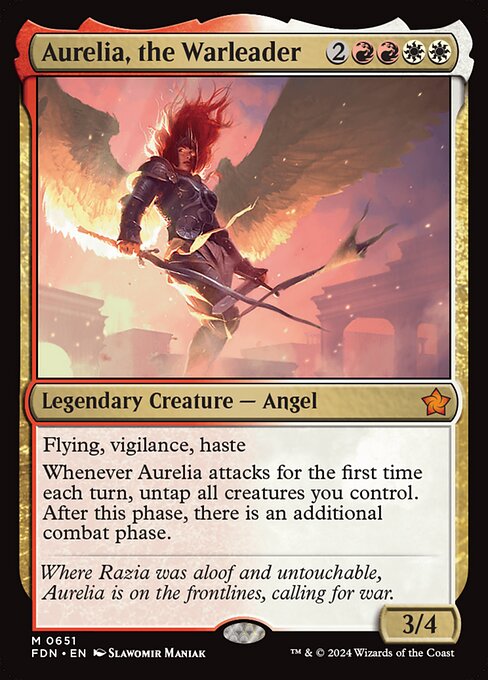

With haste and the ability to grant extra combat phases, Aurelia is incredibly powerful. Plus, her three-power body, combined with multiple combat phases, means she can deal six flying damage in one turn--more impactful than you might expect.
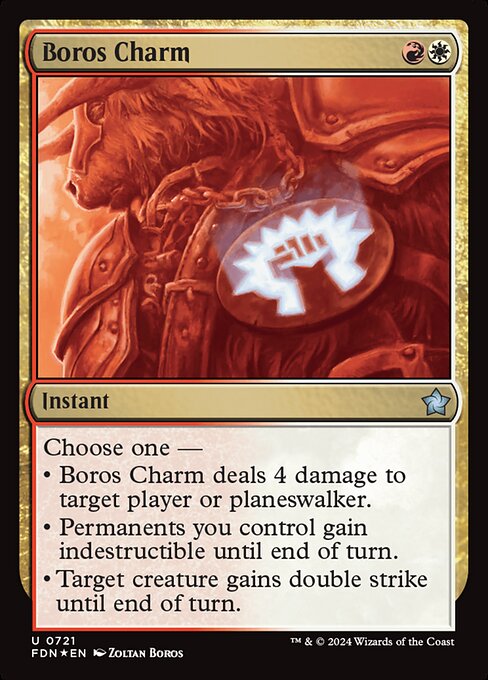
Boros Charm does everything you need. Giving a creature double strike can unexpectedly take out an opponent, while granting your entire board indestructibility saves you from a board wipe. Its versatility in both offense and defense, all for just two mana, makes Boros Charm an auto-include in any aggro deck.
Card advantage is essential. There are many creatures that reward aggression with card draw, but Ohran Frostfang stands out because it grants deathtouch to all attacking creatures. This turns every blocked attacker into a threat. Similarly, Professional Face-Breaker lets you impulse-draw cards, while Grim Hireling allows you to remove blockers or other threats using your treasures. Both effects are invaluable in any aggro deck.
Board Wipe Protection: Your Aggro Insurance Policy
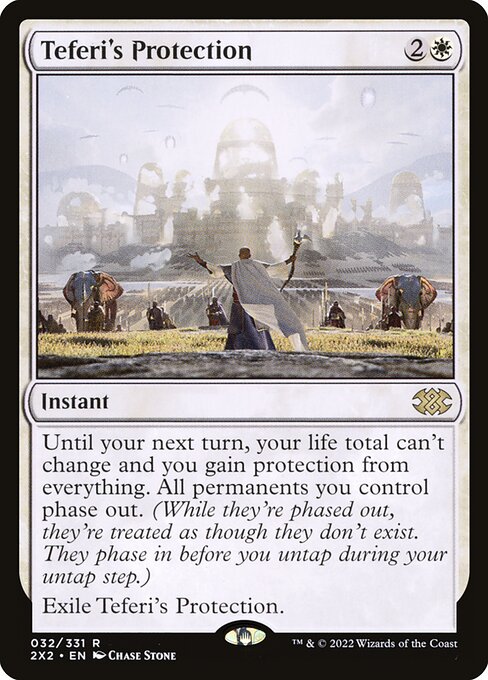
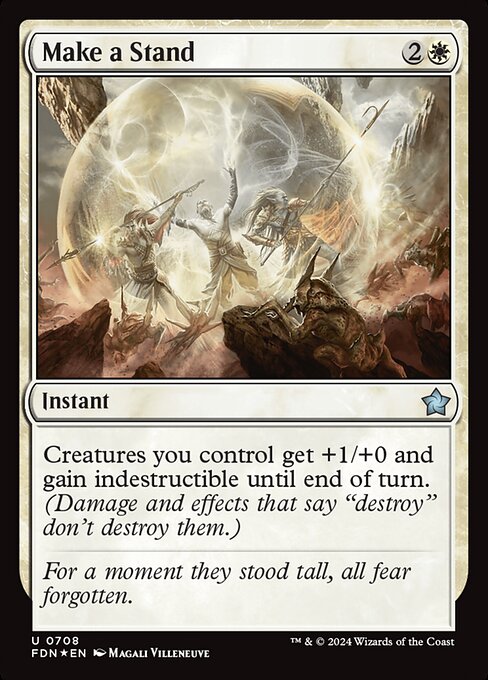
This is less a payoff than a necessity, but aggro decks are very vulnerable to board wipes. Make sure to pack plenty of cards like Teferi's Protection to protect your board. Make a Stand and Selfless Spirit are some great budget options to protect your board. You have two strategies: protect your board with indestructibility effects, or rebuild fast with recursion and token generation.

Ramp: Less Than Midrange, But Still Essential
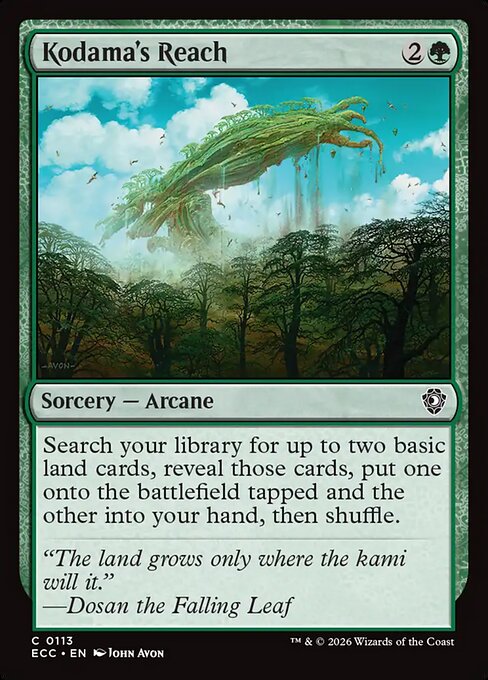
Ramp doesn't just accelerate you—it smooths your curve by letting you cast expensive spells earlier. A deck with ten ramp pieces effectively plays its four-drops on turn three and its six-drops on turn four. This is why ramp-heavy decks can afford slightly higher curves. A green deck with Cultivate, Kodama's Reach, Three Visits, Nature's Lore, and Sol Ring can reasonably play more four and five drops because it'll consistently hit those mana thresholds ahead of schedule.
The standard recommendation is 10-12 ramp sources for a mid-power deck. In aggro EDH, lean toward the lower end and prioritize mana acceleration over card draw early—you want to deploy threats, not dig.



The Win Condition: Speed Kills
Aggro is how quickly, through combat, you can end the game. Aggro Commanders are trying to end the game faster than everyone else with their creature damage. How, is just transport. Your win condition isn't a fancy combo; it's combat damage, ideally before turn 7 or 8. Focus on commanders and payoff cards that amplify your creatures' power: lords, anthem effects, double-strike enablers, and cards that punish opponents for simply existing in combat.
The Hard Truth: Not Every Meta Wants Aggro
Aggro is a tough strategy to pull off in a 40-life multiplayer format, but I've figured out a few of the key things for an aggro deck to be viable. Things I've learned: -You need to be able to recover quickly from getting wrathed. This can be done by having equipment ready to suit up your next attacker, having threats large enough that you don't need to commit more than one or two to the board in order to present a serious threat, having creatures that are innately resilient, etc.
Build your deck to punish your opponents for not interacting immediately. Play creatures that demand answers on the stack. The moment they're forced to hold up removal instead of deploying their own game plan, you've already won the exchange—especially in a four-player game where your pressure divides the table's attention.
Aggro EDH is constraint-based deckbuilding. It's not the flashiest archetype, but it works. You're forcing the game into your timeline, not theirs.




Comments
Join the conversation.