

5 EDH Cards: Best Budget Alternatives to Expensive Staples

Best Budget Alternatives to Expensive EDH Cards
Commander tends to follow the 80/20 rule: you can make a deck that's 80% optimized with just 20% of the budget, and it's diminishing returns from that point onwards. If you're tired of watching your paycheck go straight to a single card, here's the reality: you don't need the expensive versions to compete. The cards below aren't "good for the budget"—they're legitimately strong plays that serve the same function at a fraction of the cost.
Why Expensive Cards Command Premium Prices
Before we dive into the swaps, understand why expensive staples exist. The more expensive staples are pricey for one of two reasons: they're either the most powerful and efficient version of the effect, or they're the only card in their color(s) that can fill that role. By opting for a more affordable equivalent, you will be losing some degree of power or effectiveness. That said, the loss is often negligible at most tables—and sometimes you gain game-play upside.
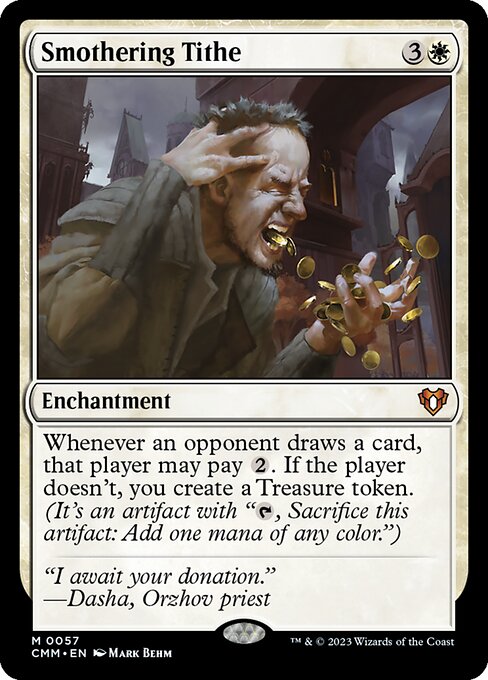
Monologue Tax Over Smothering Tithe
Monologue Tax comes in at around $4 and is a stellar replacement for Smothering Tithe (currently around $23) if you want this sort of effect in your deck. Granted, players may not cast multiple spells per turn as often as they draw cards, but this card more than pulls its weight and can create quite a bit of treasures. Better yet, there are actually a few areas where Monologue Tax is better—there is no way for opponents to circumvent you creating treasures by paying for the trigger. In a format built on politics, an unstoppable treasure generator sometimes matters more than the flashy card.

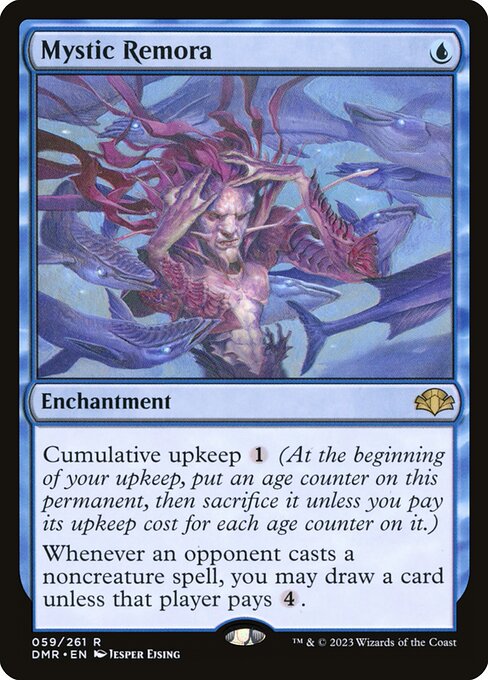
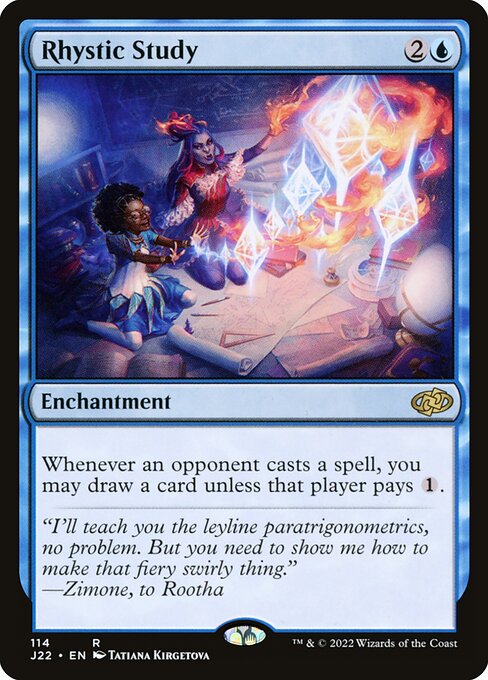
Mystic Remora Over Rhystic Study
Mystic Remora is the little brother and cheaper version of Rhystic Study. They do effectively the same exact thing other than the Remora only triggers for non-creature spells and you'll have to pay mana each turn to keep it around. Considering the price difference between the two is around $35, this downside is negligible in most match-ups. Blue decks want card advantage early—and at a fraction of the cost, Mystic Remora gets you there.
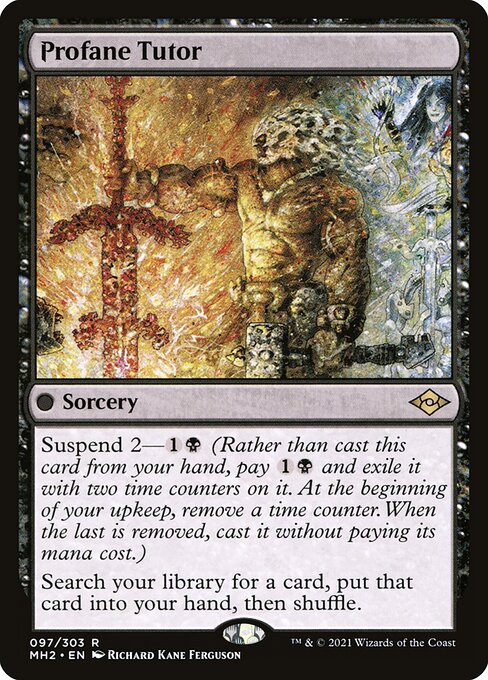
Profane Tutor Over Demonic Tutor
Profane Tutor is a newer card with text identical to Demonic Tutor. However, you have to suspend it, so there is a two-turn delay for you to cast it—other than that, it's the same card. Now don't get me wrong, the flexibility of being able to cast the card on turn two is great and Demonic Tutor is the all-around stronger card. That said, considering it's $37 and its suspend counterpart is around $2, this is one of the best alternatives to an expensive staple out there. In most games, a two-turn delay on a tutor is live; in turbo decks, it's negligible.
Hardened Scales Over Doubling Season
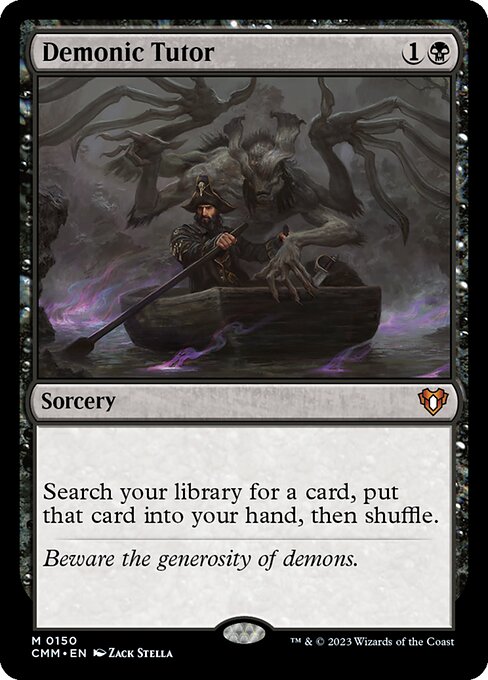
Hardened Scales—if you have a +1/+1 counter deck, this enchantment will put in so much work for you compared to Doubling Season. Throwing this out on turn one means that your game plan starts cruising right away. While Doubling Season is five mana and starts doubling your token and counter production, we've gotten a lot of newer cards that offer players similar abilities. Plus, a lot of the decks that play this enchantment really only need one half of this card, meaning you could be spending double the amount of money and mana while only utilizing a portion of the card. If your deck is counter-focused, Hardened Scales is often better—and it costs pennies.

Cabal Stronghold Over Cabal Coffers
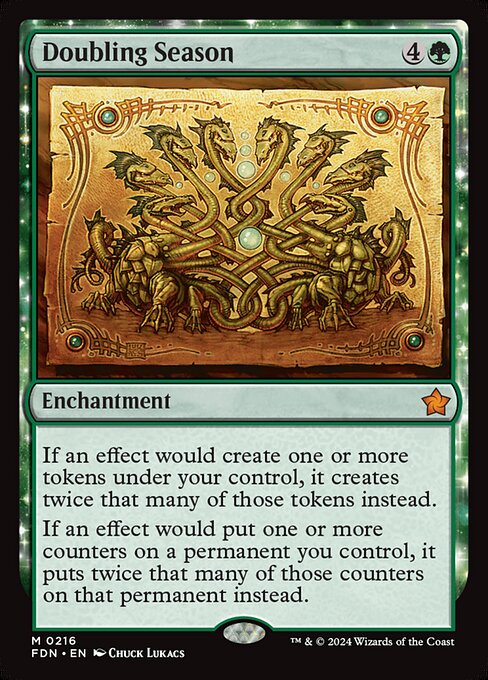
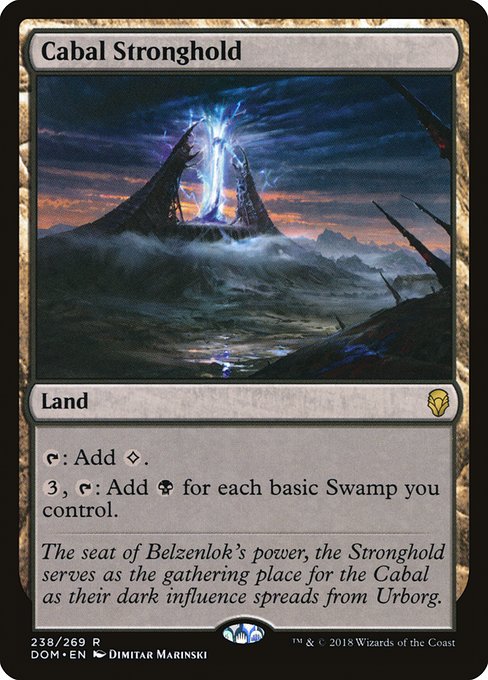
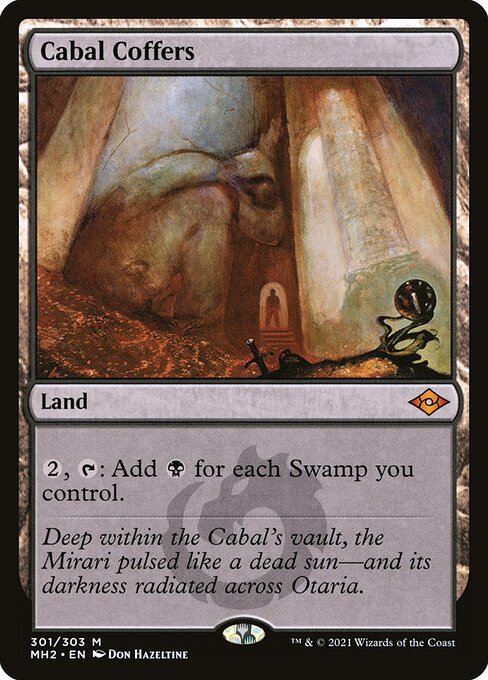
Cabal Stronghold is essentially the same as Cabal Coffers except the latter requires another colorless to activate. It's only $5 compared to $20 for Cabal Coffers, and being a turn slower or paying an extra mana for a spell will be negligible in the vast majority of your games. This swap is pure math: if you're running mono-black or heavy black ramp, this is the play. Cabal Stronghold taps for one more mana than you'd use to pay for it—that's value.
When Budget Swaps Actually Matter
Generally speaking, budget has very little impact on power level when building a Commander deck. Many popular cards are expensive either because they're the best version of the effect or they're the only card in their color(s) that perform their specific function. Neither of those reasons require you to run Cyclonic Rift or Wheel of Fortune to play strong Magic: The Gathering, though. The difference between "win-more" and "game-winning" is often measured in table composition, not card price.
The Real Win: Consistency and Focus
Commander is probably the most budget-friendly format in Magic, where a well-built $100 deck can hold its own against decks with ten times the value. At the same time, that cost can be a huge barrier to entry; some of the most famous and popular cards in the format are simply out of reach for many players. Thankfully, this couldn't be further from the truth. Many of these expensive staples can be easily replaced with cards that either provide admirable imitations or can fill a similar role. The real skill in deckbuilding—at any price point—is knowing your role and executing it consistently. A $40 deck with clear lines beats a $400 deck without them every time. Pick the budget alternatives that match your gameplan, and let the rest of the table figure out what just happened when you're casting the same spells they are, at a fraction of the cost. Stop throwing money at perceived power. Build sharp, efficient, and lean. The format rewards it.




Comments
Join the conversation.