
Why Lorwyn Has The Best Lore in Magic: The Gathering
What Makes Lorwyn's Lore The Best in Magic: The Gathering
Lorwyn is the land where the sun never sets, covered with dense forests, meandering rivers, and gently rolling meadows, knowing no nights or winters. This setting alone sets Lorwyn apart—but the true depth of its lore goes far beyond a pretty pastoral landscape. Released on October 12, 2007, Lorwyn introduced Magic players to a plane that challenged every convention the game had established, creating what many consider the finest worldbuilding in the entire multiverse.
Lorwyn's superiority as a setting rests on three pillars: a cohesive and thematically rich world unlike any other Magic plane, characters of genuine moral complexity caught in impossible circumstances, and a story that weaves lore directly into every mechanical choice. Let me walk you through what makes Lorwyn unforgettable.
A World Without Humans—And Why That Matters
The human race, while popular in other Magic sets, is completely absent, with Hobbit-like beings called Kithkin taking their place. This deliberate choice fundamentally changed how Lorwyn's story could unfold. The primary theme of the Lorwyn block is tribalism, and removing humans forced the plane's eight major races—elves, kithkin, treefolk, merfolk, giants, boggarts, faeries, and flamekin—to define themselves entirely on their own terms.
Without humanity as a default baseline, the team reimagined staple Magic races with fresh twists, such as kithkin as communal white-green villagers and giants as boastful red-white warriors, ensuring visual and flavorful consistency across cards. Each race became a complete society with its own values, prejudices, and contradictions—not merely stat blocks with flavor text.
The Elves of Lorwyn: Beauty as Tyranny
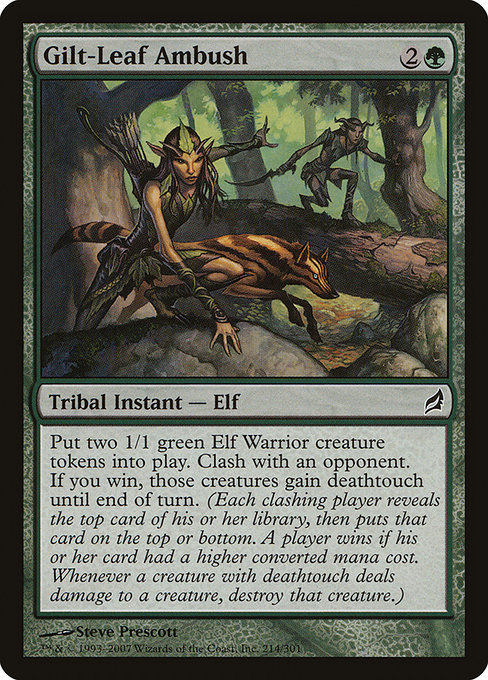
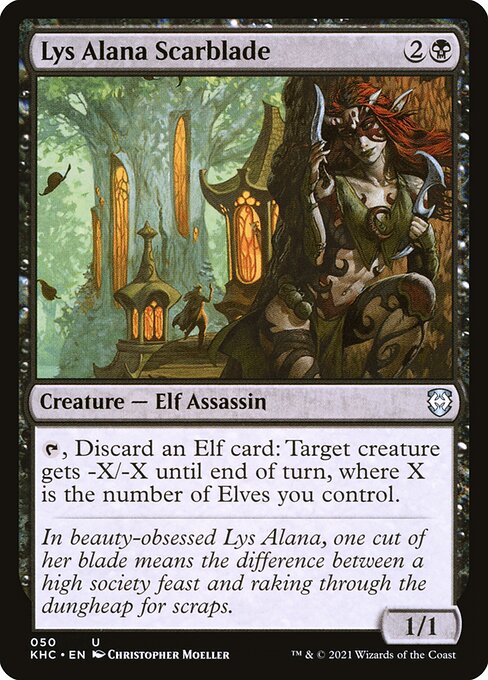
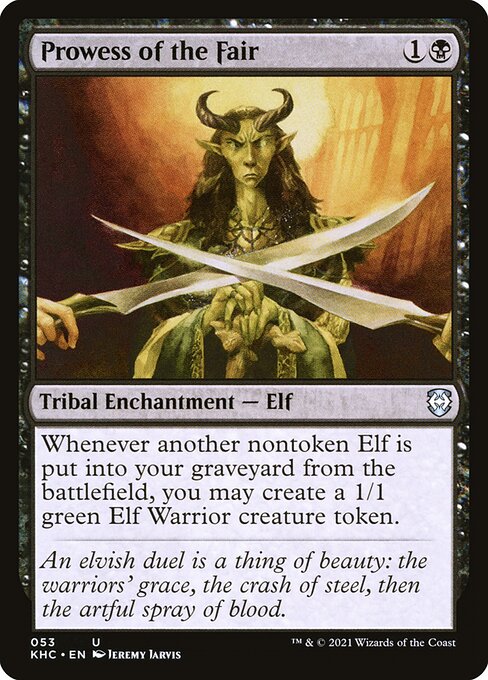
If Lorwyn has a moral center, it's the question of beauty and belonging. The elves are Lorwyn's most favored and feared race; in a world of unspoiled nature, they consider themselves the paragons of this beauty, with signs of elvish supremacy widespread from their gilded forest palaces to their mercilessness toward "lesser" races.
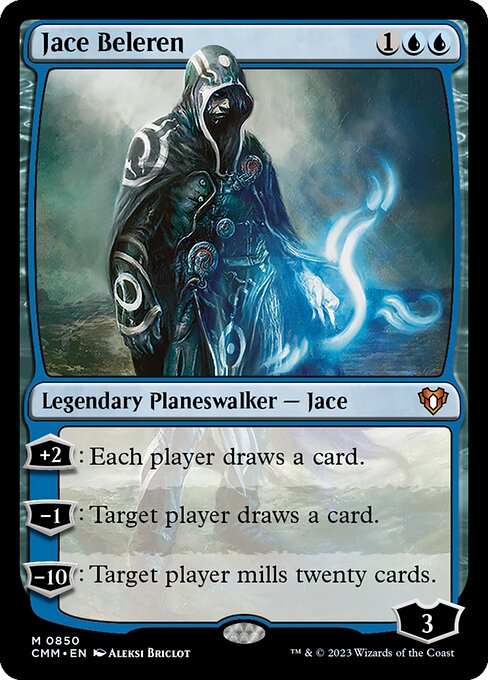
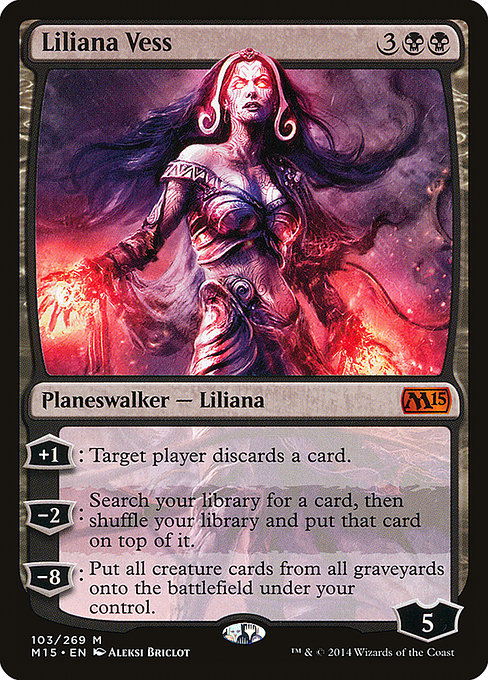
The set made a permanent change to Magic's rules by being the first to have playable Planeswalker cards, introducing one of Magic's most popular card types. But perhaps more importantly, Lorwyn gave us planeswalkers who visit this world as outsiders—including Jace Beleren and Liliana Vess—observing a civilization driven by radical aestheticism and cruelty.
Rhys the Exiled: Outcast Among Perfectionists
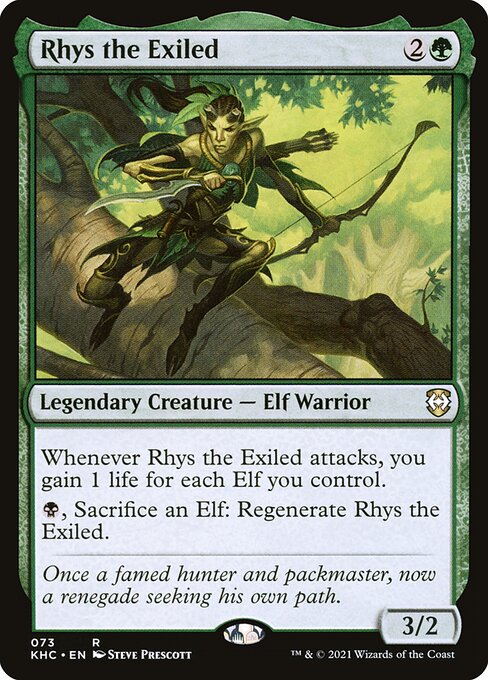
Rhys is an elf, perfect in every way, born to lord over the lower races, but then a desperate ritual goes awry and he emerges disfigured, a blight upon the eyes of the beautiful, now hunted by his own people, he must adapt and secure the help of those he once spurned before it's too late. This is the heart of Lorwyn's story—a protagonist whose defining journey begins not with power, but with exile and the crushing realization that everything he believed about his world was wrong.
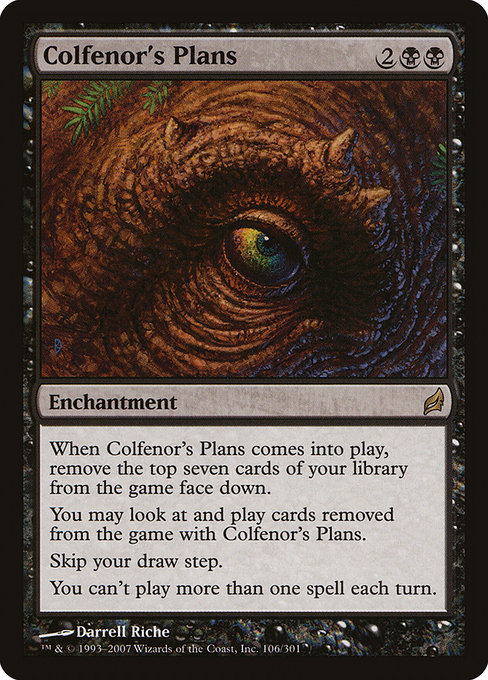
Rhys becomes disfigured after calling upon the ancient treefolk Colfenor to unleash a devastating yew magic blast, causing him to lose his horns and killing many of his comrades; in the unforgiving elven society of Lorwyn, where physical perfection is paramount and imperfection means death, this disfigurement brands him an eyeblight.
Ashling: The Flamekin Pilgrim's Tragic Arc
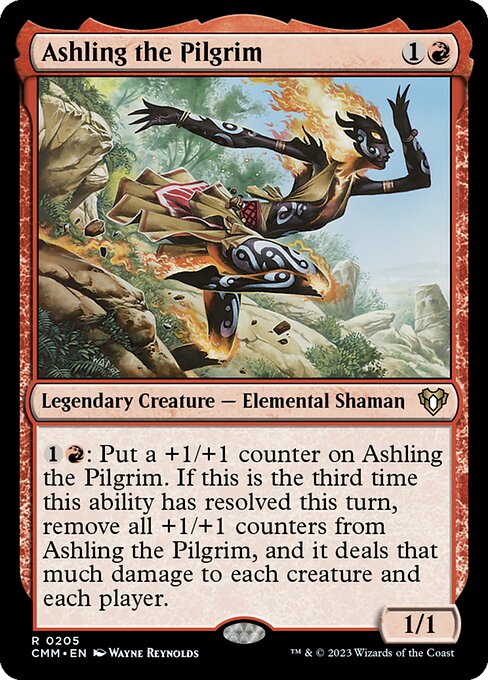
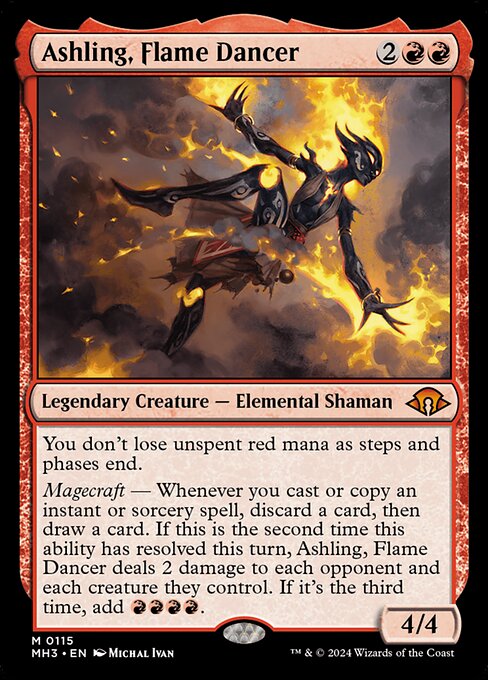
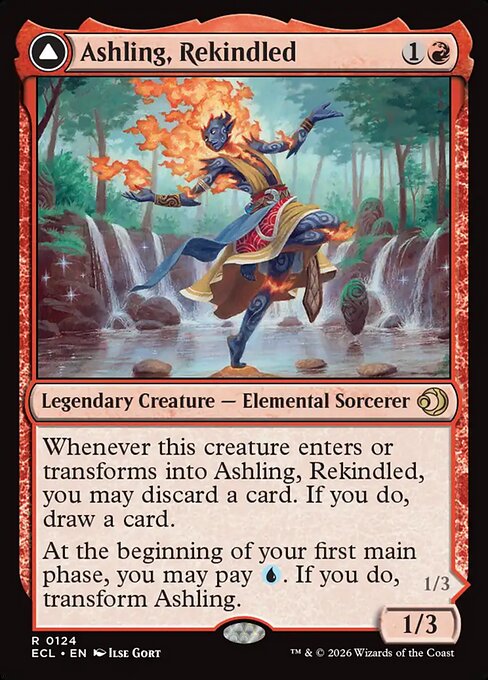
Where Rhys is born into privilege and cast out, Ashling is a flamekin, dancer, and lifelong pilgrim who was a key figure in the defeat of Oona, but her heinous actions as the Extinguisher caused her great anguish and suffering, and at the beginning of the Pendulum Year, she departed the Blessed Nation in search of some way to reconcile her two selves. Ashling's character arc is a meditation on the weight of necessity—what you must do to save a world, and what it costs.
Oona and the Vendilion Clique: Manipulation and Mischief
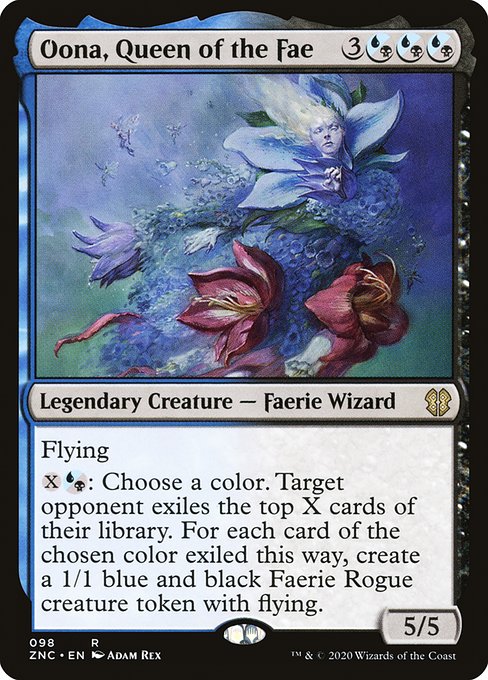
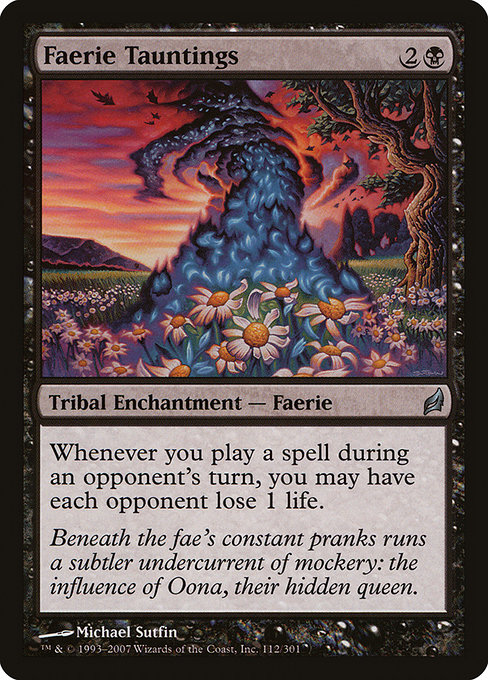
The faeries are the fulcrum of the transforming plane—for it was their queen, Oona, who caused it. All faeries originally came from Oona, the oldest and most omniscient being on Lorwyn-Shadowmoor, unseen by other species, and faeries would empower and sustain her by gathering secrets and dreamstuff, a substance pulled from the minds of sleeping creatures.
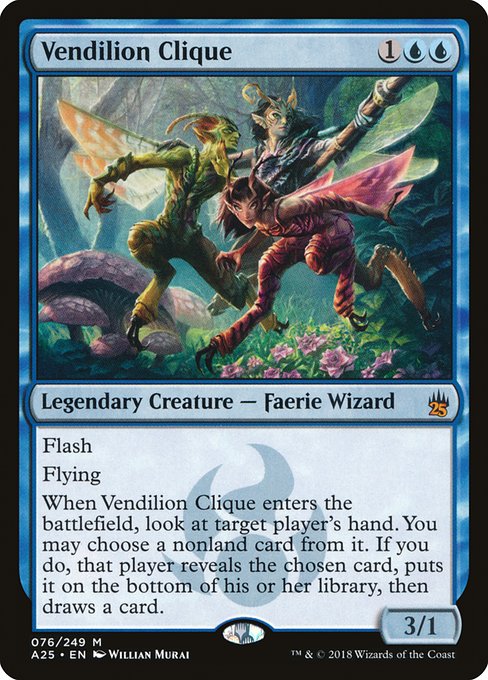
The Vendilion Clique—three mischievous faerie triplets—become the emotional core of Lorwyn's novels. The Vendilion siblings were created by the Great Mother Oona in the final days before the Great Aurora, with Iliona being the first to wake and hearing Oona's voice intone a warning that they didn't have much time to act, and seconds later Oona similarly greeted and named Iliona's sister Veesa and brother Endry. Yet unlike their creator, these faeries develop genuine agency and individuality as the story unfolds, eventually fracturing along different ideological lines.
The Great Aurora: Identity and Transformation
Every three centuries, a planar event occurs known as the Great Aurora, which transforms Lorwyn into Shadowmoor, a sinister version of the former where night is ever present, and each race dons a negative personality and become unaware of their past selves. But not all races change equally. The Elves, however, become modest and earnest-hearted, while strangely enough, the Faerie race and their queen, Oona, are unaffected during one Great Aurora manifestation.
This is where Lorwyn's lore becomes genuinely transcendent. The Great Aurora isn't merely a world event—it's a commentary on identity itself. When Shadowmoor arrives, pressed by hostile conditions, the elves are forced to battle for their very existence, and rather than lording over the plane and oppressing the other species to conform to their values of beauty and grace, the ironic reversal in their situation shifted the elves from arrogance to humbled self-preservation.
Maralen: Oona's Puppet and the Plane's Savior
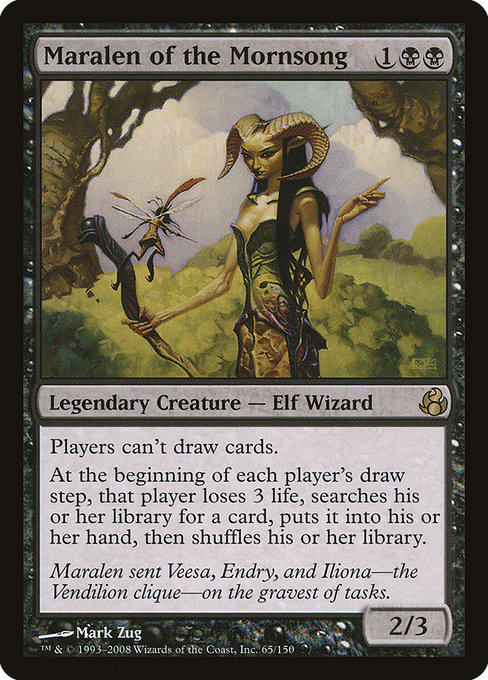
The mysterious Maralen, a female elf, despite attempting to control the chaos of the Aurora, doesn't appear who she seems to be. Her revelation is one of Magic's most audacious twists: Oona created Maralen as her backup plan, turning Maralen into her version of the sapling so her memories would pass to the next world, and she planned to have Maralen ingratiate herself with Rhys to mess with Colfenor's plans.
Yet Originally an avatar of Oona, Maralen is now the steward of Lorwyn-Shadowmoor alongside Eirdu and Isilu, communicating the peoples' wishes and secretly guiding the plane through a new age from her throne in Glen Elendra. Her journey from puppet to queen is the beating heart of the Lorwyn block's story—a meditation on free will born from enslavement.
The Lore Woven Into Gameplay Itself
What sets Lorwyn apart from every other Magic plane is how completely its lore permeates the actual cards and mechanics. Collaboration between the creative and design teams was integral from the outset, with the integration of world-building with mechanics like tribal synergies, ensuring that abilities reinforced the lore such as elves' affinity for nature or faeries' evasive illusions, without compromising gameplay innovation, as the head designer noted that this synergy built on lessons from Ravnica, where mechanics were tightly tied to flavor.
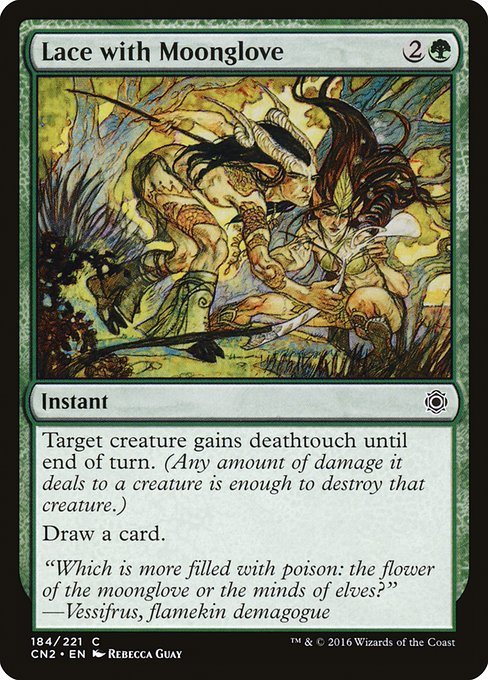
Moonglove, a white, foxglove-like flower cultivated by Lorwyn's elves to derive a potent poison, is deadly even in small amounts taking down even towering giants, and the elves use the moonglove aggressively in battle where it is the source of their fame and feared "deathtouch." This poison becomes mechanically central to the elves' strategy while remaining deeply tied to their character as a civilization obsessed with beauty—using nature itself as a weapon.
A Plane Visible Only in Dreams
Lorwyn-Shadowmoor does not stand out in the Blind Eternities; it resides in a region of dream and aether that obscures it from most planeswalkers. The Lorwyn plane is based on Welsh mythology, resembles an idyllic land apparently locked in a midsummer state, with sun-dappled forests, babbling brooks, and flower-covered mountains abounding throughout Lorwyn. This dreamlike quality gives the entire plane a timeless, folkloric feeling—as though we're reading legends recorded in an old book rather than experiencing current events.
The Cycle Continues: Lorwyn Eclipsed
Lorwyn Eclipsed had a global release of January 23, 2026, returning to this beloved plane nearly two decades later. In Lorwyn Eclipsed, the natural rhythm has broken; the plane no longer switches cleanly between light and dark, instead Lorwyn and Shadowmoor now exist at the same time, fused into a single world where day can turn to night without warning and shadow can creep into the sunlight. Even the plane's return honors its thematic core—identity, duality, and transformation.
Why Lorwyn Stands Alone
Innistrad has gothic horror. Ravnica has intricate worldbuilding. Dominaria has history. But Lorwyn has something rarer: a complete vision. It shows us a world built not around human conquest or adventure, but around the strange rituals, hierarchies, and prejudices of eight completely different civilizations. It shows us beauty weaponized into tyranny. It shows us a protagonist learning compassion through exile. It shows us faeries who aren't just tricksters, but complex beings capable of growth and betrayal.
Most importantly, Lorwyn proves that Magic's lore is at its strongest when the story isn't imposed onto the cards—when the cards, mechanics, and world are born together, each informing and enriching the other. No other plane has achieved that synthesis as completely as Lorwyn.


Comments
Join the conversation.