

Three Questions Before Casting a Board Wipe

Three Questions to Ask Before Casting a Board Wipe in Magic: The Gathering
Casting a board wipe feels good. It clears the chaos, resets the game, and buys you time. But casting a wipe and passing the turn with nothing is not strategy — it's performance art. A board wipe only wins games when you have a plan for what comes after.
Here are three questions you must answer before you tap mana for that sweeper.

Question One: Do I Have a Real Follow-Up Plan?
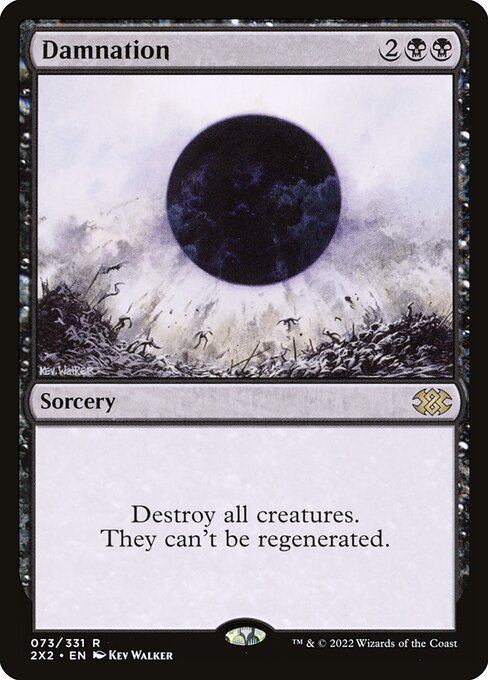
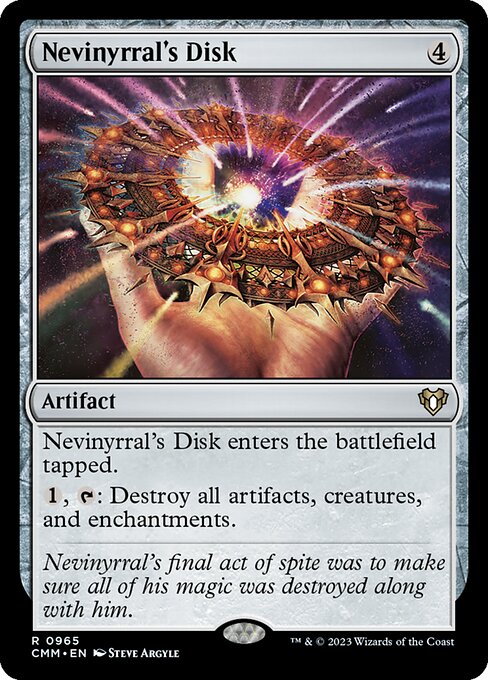
This is the biggest mistake players make. A wipe that resolves and leaves you with nothing to do next turn hasn't bought you the game — it's bought you one turn cycle, and everyone else at the table is rebuilding right alongside you.
If you're the control deck with an empty board, wiping is fine — you're the defensive player, and parity favors you. But if you just spent four turns building resources, a wipe that kills your stuff too and leaves you behind on board is a trap, not an answer.
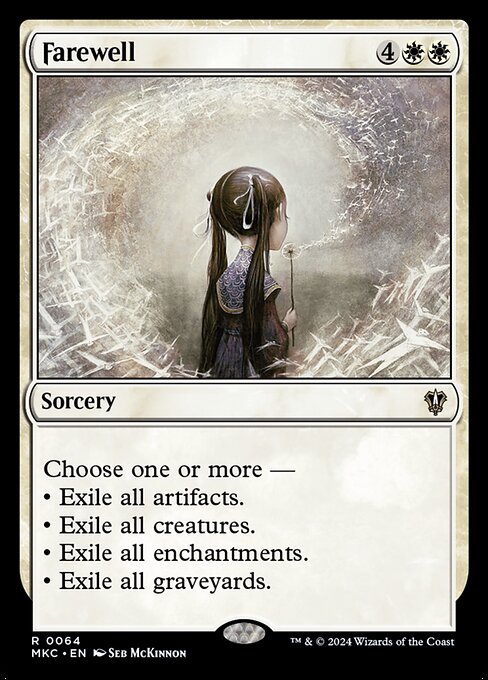
This is why symmetrical exile wipes like Farewell are controversial at the table: they remove an enormous amount of material permanently, but they rarely push the caster ahead. You've traded your board for everyone else's, and if their decks rebuild faster than yours, you've actually paid for the privilege of losing. A board wipe should either protect you or set you up to win. Ideally both.
Before you cast, run this checklist:
- Do I have a threat or engine to deploy immediately after the wipe? A commander recast, a planeswalker, a haymaker in hand — something that makes you the first player to matter post-wipe.
- Will I come out ahead on board, cards, or tempo once it resolves? Count what you lose against what each opponent loses. If you're trading three permanents to kill their two, wait.
- Can I survive the turn cycle after casting it? A wipe that leaves you tapped out and shieldless against the fastest rebuilder at the table just changes who kills you.
If the answer is no to all three, hold the wipe.
Question Two: Is My Opponent Actually Overextended?
Playing around board wipes is a game of chicken. A smart opponent who suspects a sweeper will play cautiously, committing only enough creatures to pressure you while keeping gas in hand.
Your opponents know you have a board wipe. Good players play around them. If someone is deploying just two or three creatures and holding mana up, they either have a protection spell like Heroic Intervention or Teferi's Protection ready, or they're testing you — waiting to see if you'll blow your wipe on nothing.
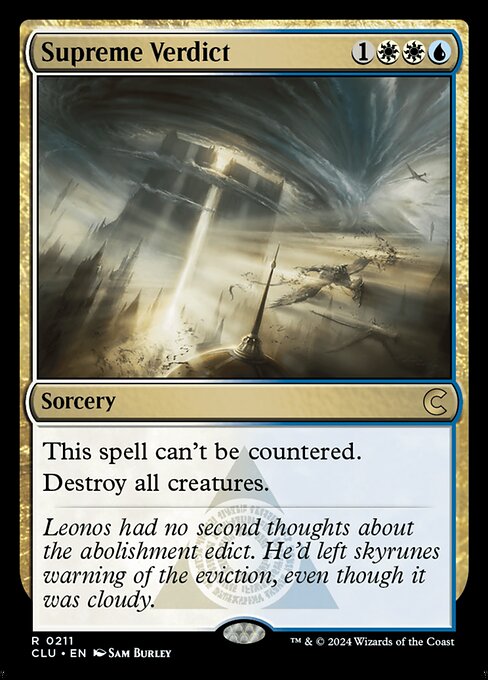
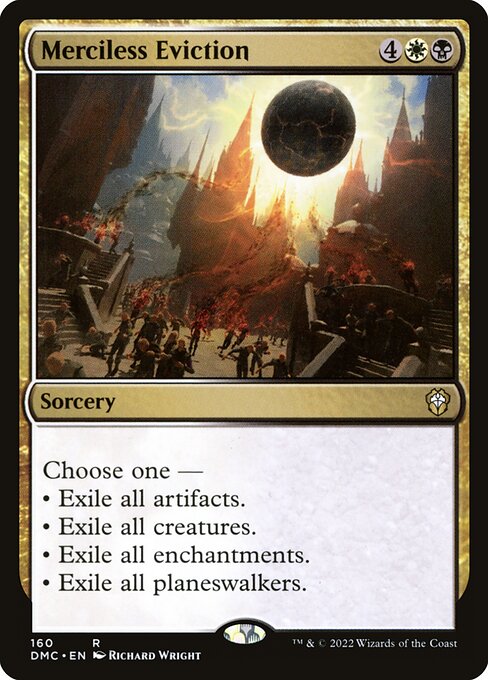
Read the board before you commit. A wipe is at its best when the table is genuinely overextended: a wide token swarm, a crowded board of creatures and planeswalkers, multiple players all-in on attack. A board wipe that kills five creatures is dramatically better than one that kills two.
Patience matters. The threat of the wipe in your hand is often doing more work than the wipe itself would.

Question Three: Is This the Right Wipe for This Board?
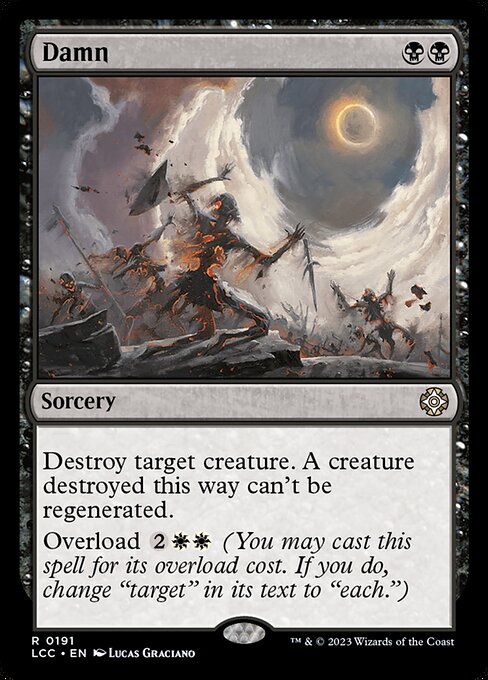
Not all board wipes are interchangeable, and the differences decide games:
- −X/−X effects (Toxic Deluge) get around indestructible and regeneration entirely, because they reduce toughness instead of destroying anything. Scale X high enough and even the biggest threats die.
- Exile effects (Farewell, Sunfall) beat death triggers, recursion loops, and graveyard decks. The board doesn't come back if it never hits the graveyard.
- Damage-based wipes (Blasphemous Act) don't dodge indestructible — lethal damage still destroys — and they whiff on big toughness. What they offer is rate: Blasphemous Act on a crowded board costs a single red mana, and damage synergizes with doublers and your own indestructible creatures for a one-sided blowout.
Matching the wipe to the board is the whole skill. If your opponent is playing an indestructible creature deck and your answer is Wrath of God, you're already losing that matchup. If the table is full of tokens and you have Ugin, the Spirit Dragon ready to −X, casting a symmetrical sweeper first is slow-rolling your own win condition.
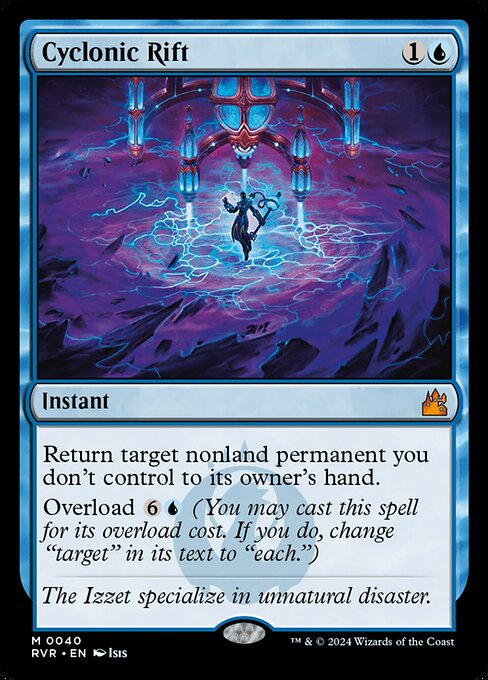
This is why modal wipes (Farewell, Austere Command) and the overloaded Cyclonic Rift are so prized: they still do something useful when the creature count is low, and Rift is famously one-sided at instant speed. If you're building your board wipe package, flexibility beats purity every time.


The Bottom Line: Board Wipes Are a Means, Not an End
Board wipes — mass removal, wrath effects, sweepers, whatever your table calls them — aren't glamorous, but they save games, punish overextension, and keep the table honest. They only work when you use them as leverage, not panic.
Before you cast, make sure you can answer all three questions. Do you have a plan? Is the moment right? Is this the right tool? Get all three right and you swing the game in your favor. Get them wrong and you're just killing time until someone else wins.



Comments
Join the conversation.