
All Evergreen MTG Keywords Explained
What Are Evergreen Keywords in Magic: The Gathering?
Magic has 16 evergreen keywords that appear in almost every set: deathtouch, defender, double strike, first strike, flash, flying, haste, hexproof, indestructible, lifelink, menace, protection, reach, trample, vigilance, and ward. These aren't new rules—they're shorthand. Think of "flying" as one word replacing two sentences of rules text. Once you learn these 15–16 words, you can read almost any card in the game.
The term "evergreen" refers to keywords regularly seen in premier sets—they show up everywhere, making them worth learning once and for all. In Core Sets, every card with a keyword includes italicized reminder text in parentheses to explain its use. Newer sets and starter decks do this too, but older cards assume you know them already.
Why keywords matter: "Trample" means "this creature can deal excess combat damage to a player or planeswalker it is attacking." That's one word instead of a sentence. No matter which card you find it on, in MTG all keywords will do the same thing.
Getting Damage Through: Flying, Reach & Menace
These keywords define how and when creatures can deal damage to your opponent.
Flying (and Reach as Its Counter)
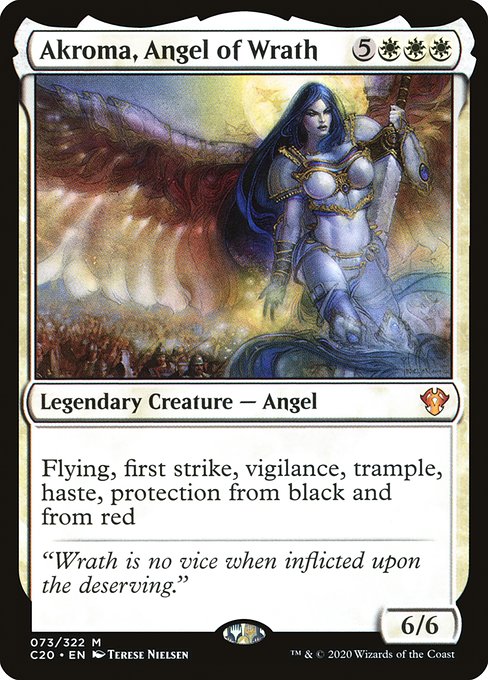
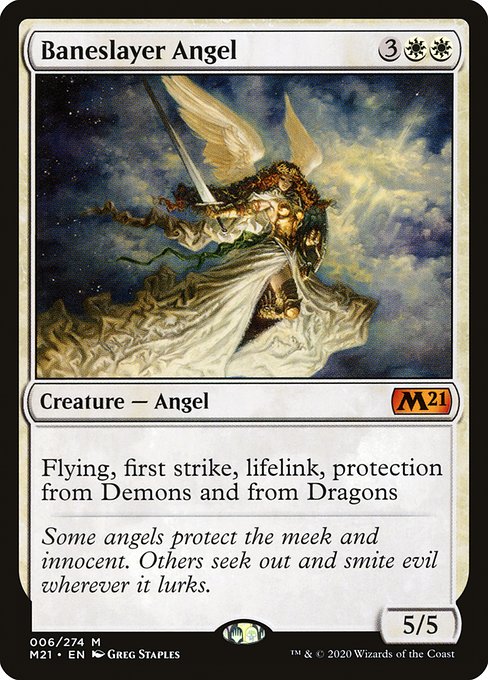
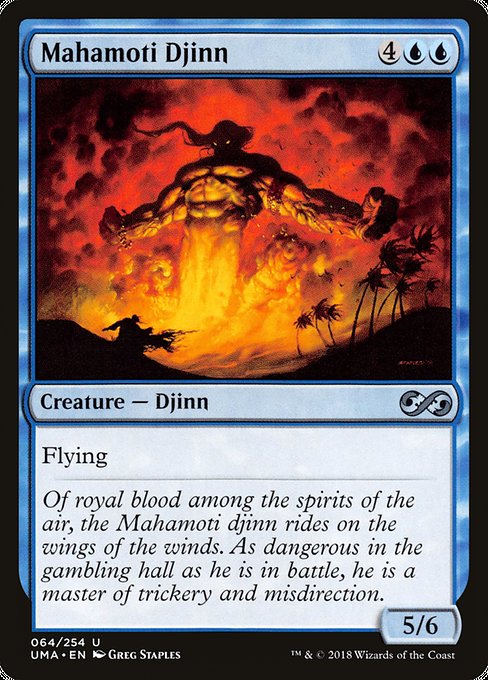
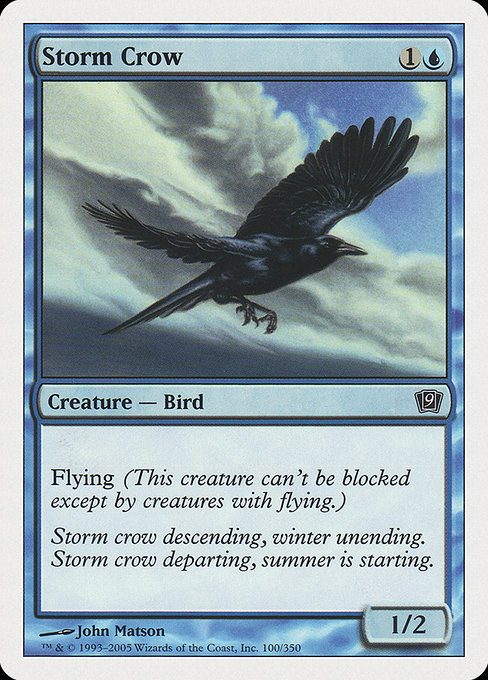
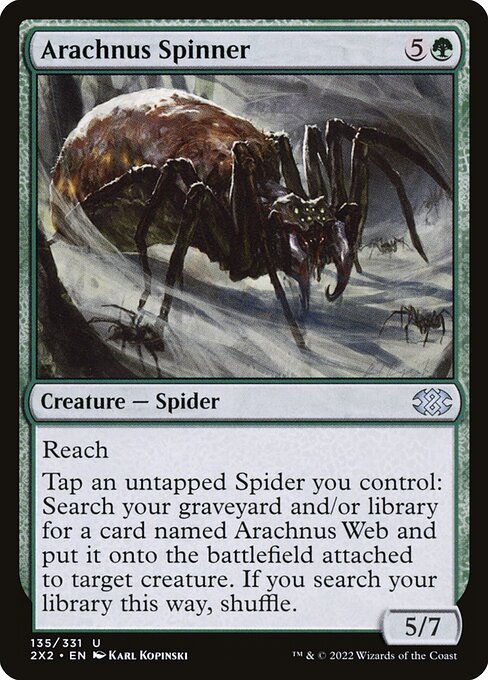
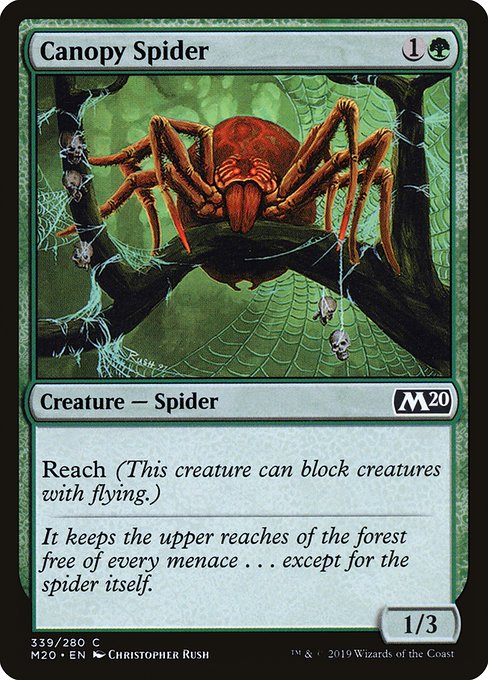
A creature with flying can be blocked only by creatures with flying or reach. Flying is one of the most common evasion abilities—it lets your creature attack "over" ground blockers to hit your opponent directly. Flying appears in all five colors, but chiefly in blue and white.
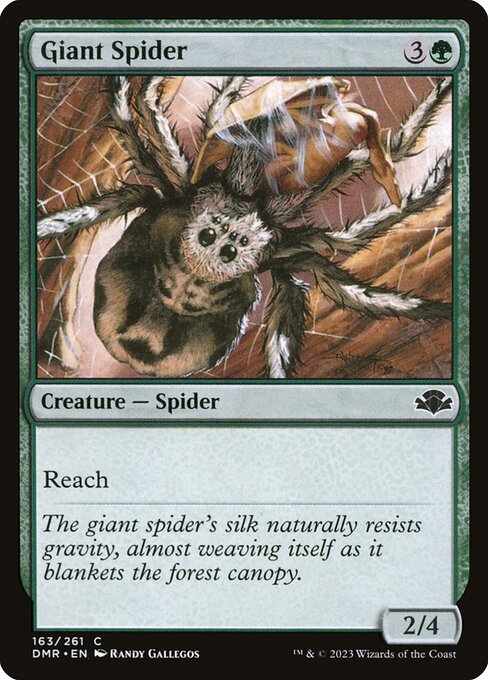
The counter: A creature with reach can block a creature with flying. Reach is a countermeasure to block creatures with flying; creatures with flying can only be blocked by creatures with flying or reach. Importantly, a creature with reach can be blocked by any kind of creature—so reach doesn't give flying, it just blocks fliers.

Menace
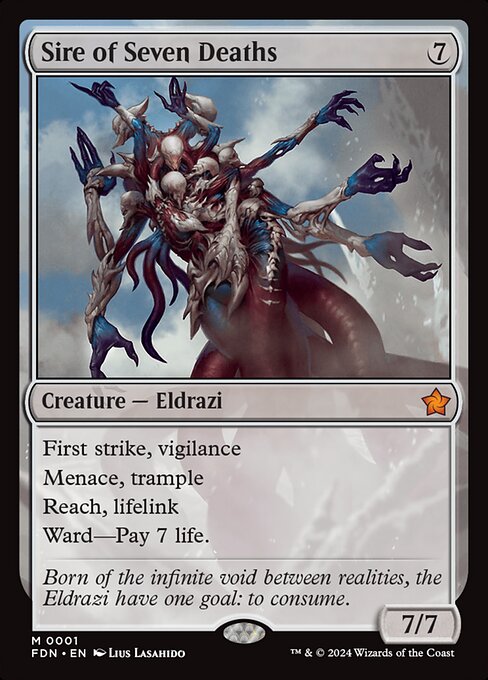
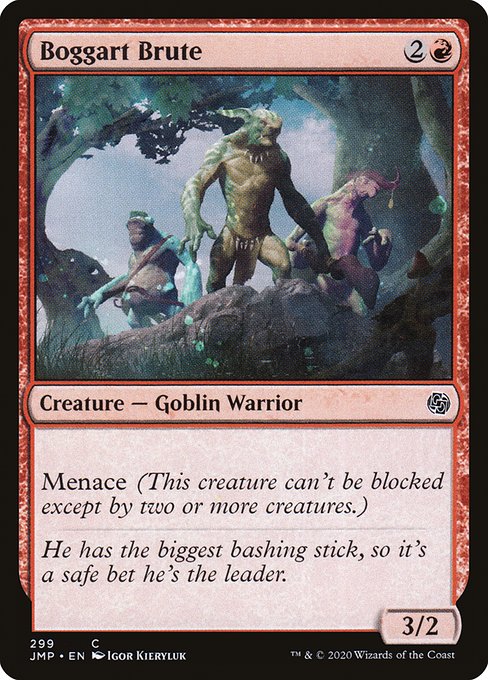
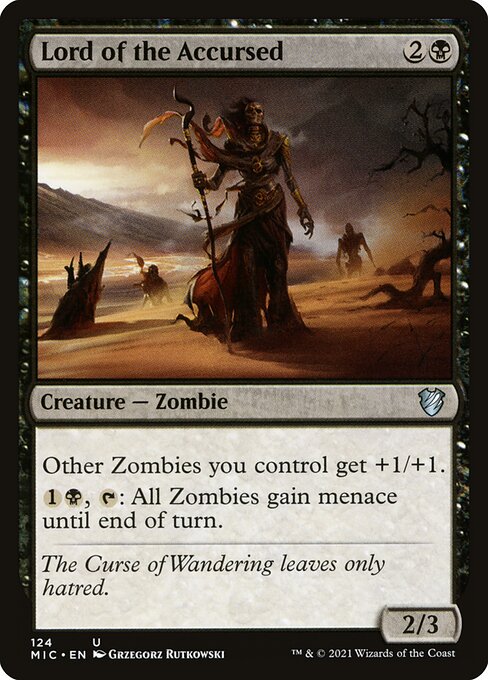
A creature with menace can't be blocked except by two or more creatures. Menace was introduced in Magic Origins as a new combat alternative to intimidate. It only appeared on three cards in that set and was used sparingly in the next few sets. However, it became clear that menace played out very well, and with the flavor of the mechanic being something that could show up in almost any context, menace became a staple addition to new Magic sets moving forward.
Trample
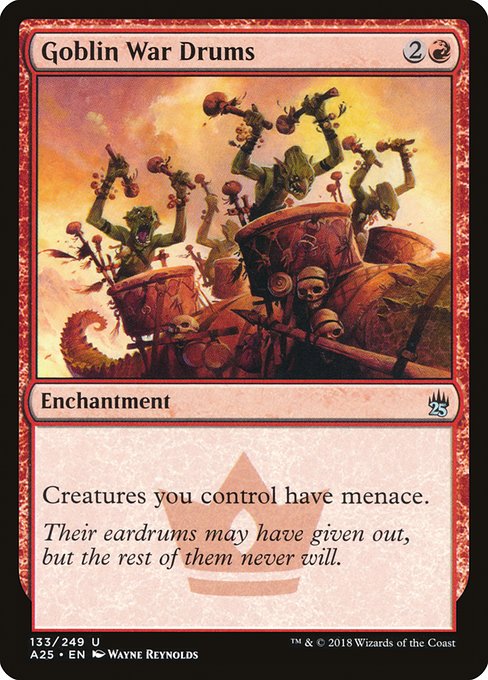
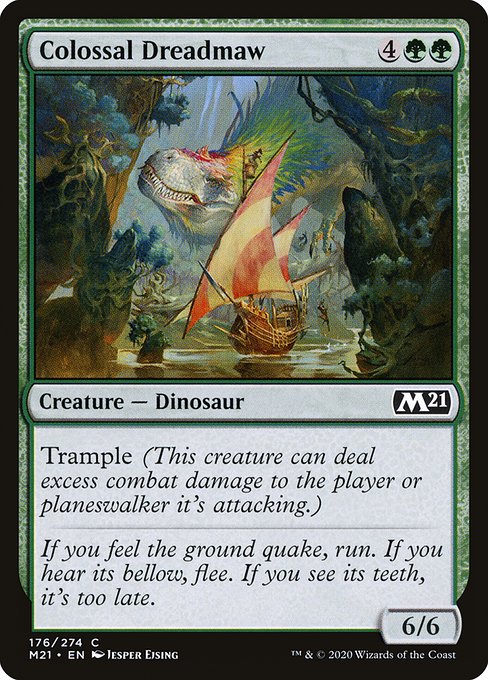
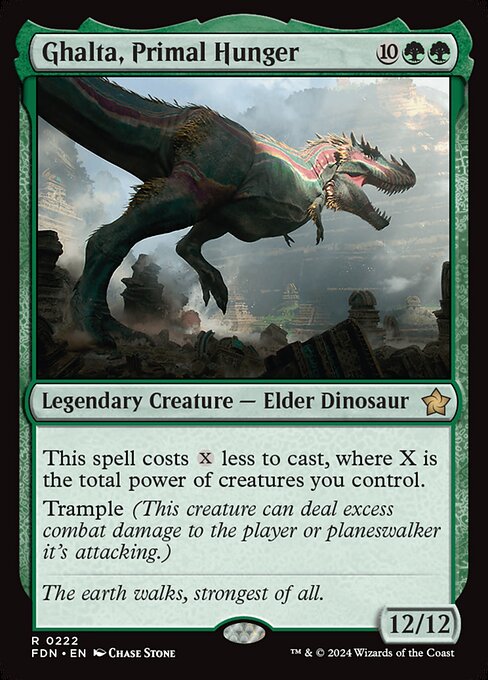
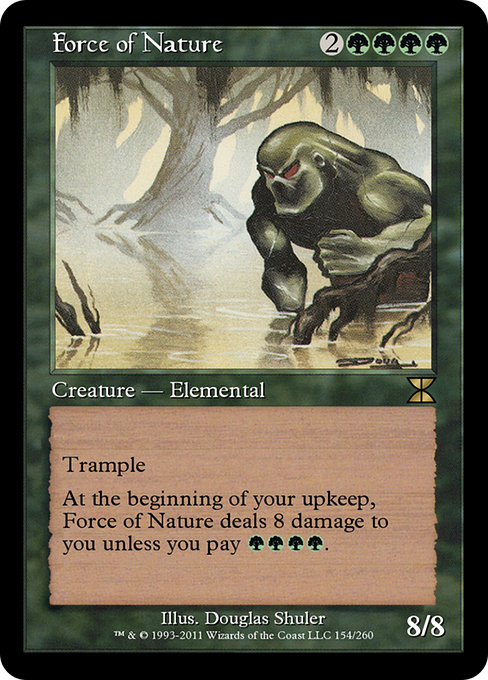
Trample allows a creature to deal excess combat damage to the player it's attacking, even if the creature is blocked. If you're attacking with a creature that has trample and it is blocked, you have to assign its combat damage to the creatures blocking it first. If it destroys all of those creatures, then you can assign any excess damage to the player it's attacking.
Winning Fights: First Strike, Double Strike & Deathtouch
First Strike
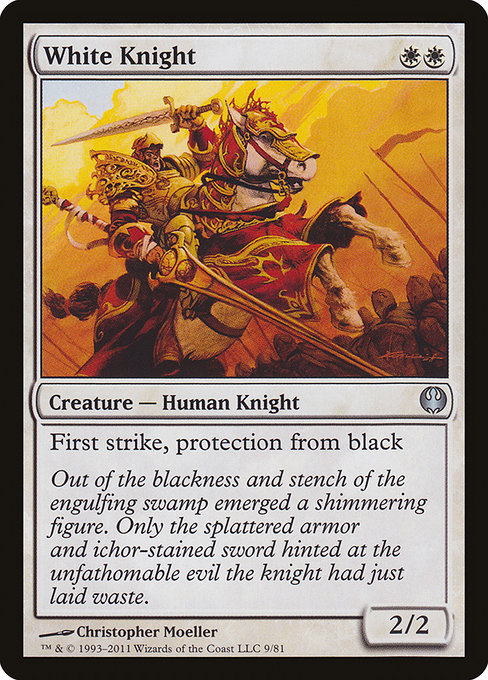
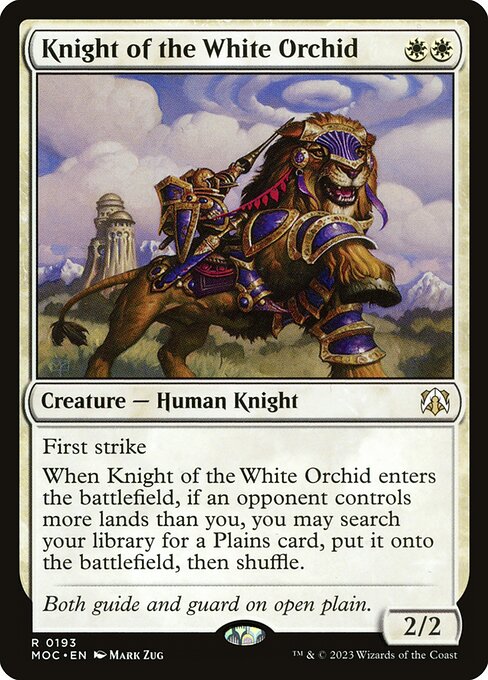
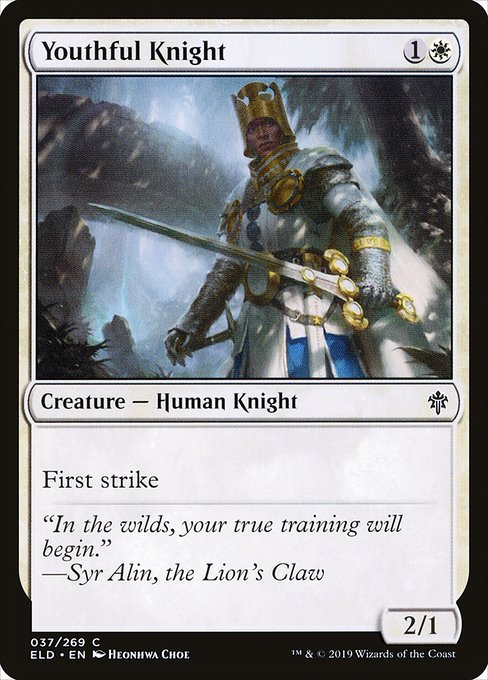
Creatures with first strike deal damage before other creatures in combat. Therefore, if a creature with first strike deals sufficient damage to kill an opposing creature without this ability, it will not suffer any combat damage from that creature in return. This means a 2/2 with first strike can kill a 4/4 blocker and take no damage—if the 4/4 doesn't have first strike too.
Double Strike (First Strike's Big Sibling)
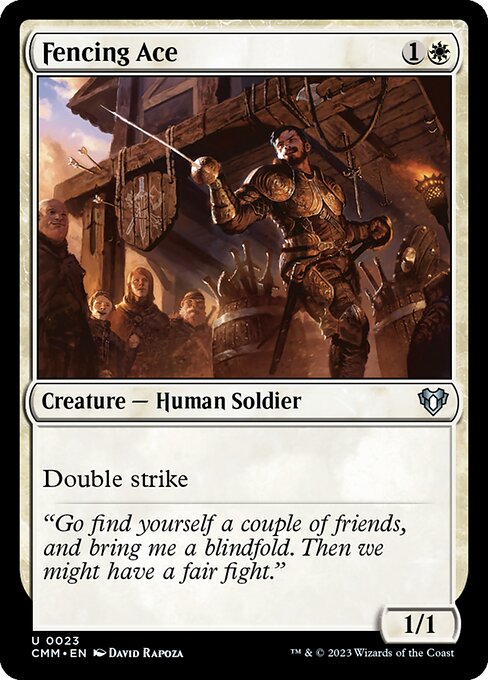
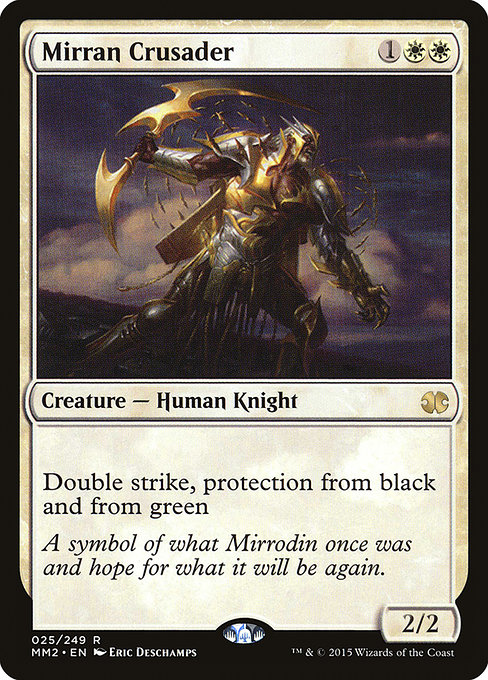
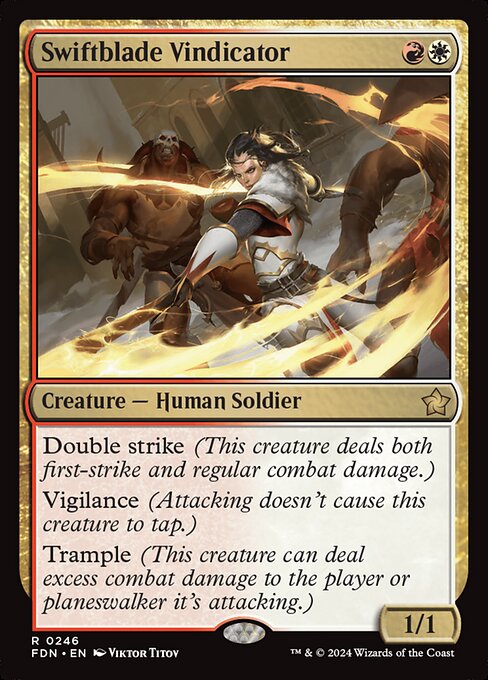
Creatures with double strike deal their combat damage twice. When you reach the combat damage step, check to see if any attacking or blocking creatures have first strike or double strike. If so, an extra combat damage step is created just for them. Only creatures with first strike and double strike get to deal combat damage during this step. After that, the normal combat damage step happens. All other attacking and blocking creatures that survived, as well as the ones with double strike, deal combat damage during this second step.
Deathtouch
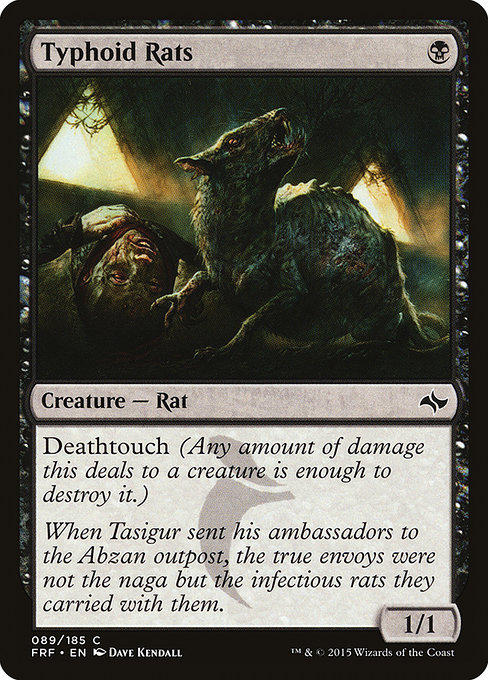
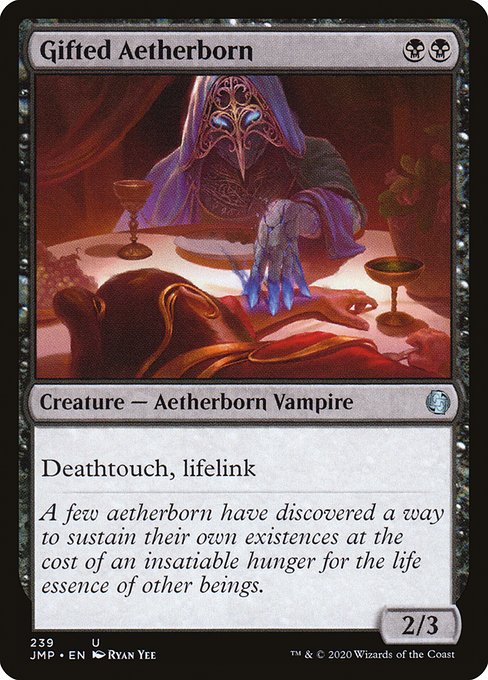
A creature dealt any amount of damage by a creature with deathtouch is destroyed. A 1/1 with deathtouch kills a 10/10. This makes deathtouch one of the most valuable abilities in Magic—especially in defense.
The "wow" moment—Deathtouch + Trample: If an attacking creature with deathtouch and trample becomes blocked, the attacking creature first assigns damage to the creature(s) blocking it. Once all those blocking creatures are assigned lethal damage, any remaining damage is assigned as its controller chooses among those blocking creatures and the player or planeswalker the creature is attacking. However, since the creature has deathtouch, assigning even 1 damage to a creature is considered to be lethal damage. This means a 5/5 with deathtouch and trample only needs to assign 1 damage to each blocker, then trample the rest straight through.

Attacking and Defending Better: Vigilance, Haste & Defender
Vigilance
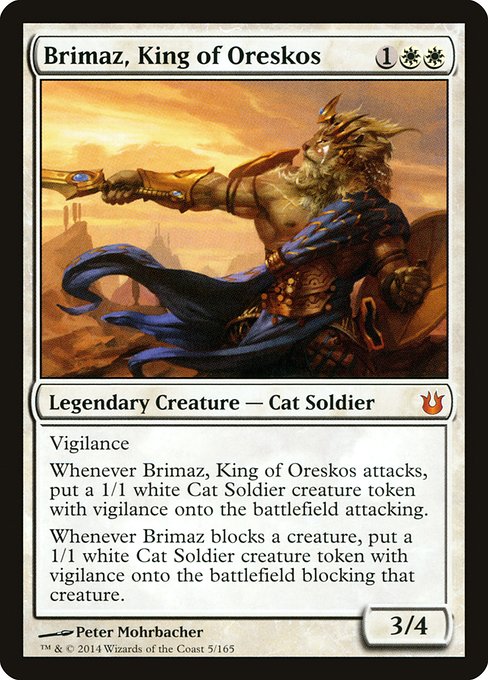
Vigilance is a keyword ability that allows creatures to attack without having to become tapped. Normally, creatures must be tapped once declared as attackers. Since creatures remained tapped until the controlling player's Untap step, that typically means that they won't be capable of blocking until the next turn. With Vigilance, creatures can attack and remain available to block afterward.


Haste
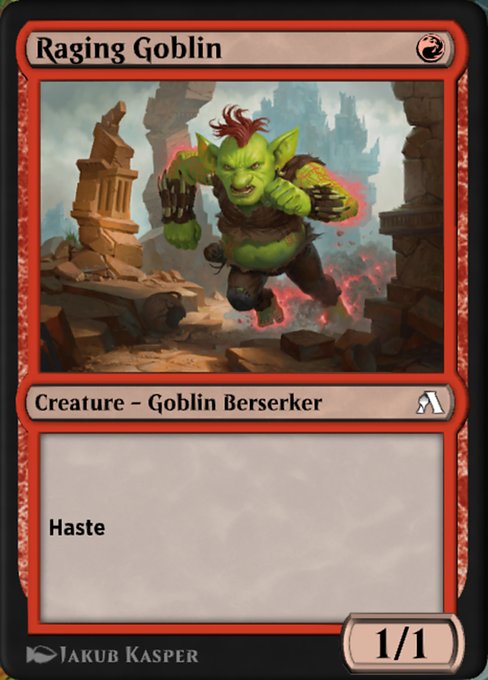
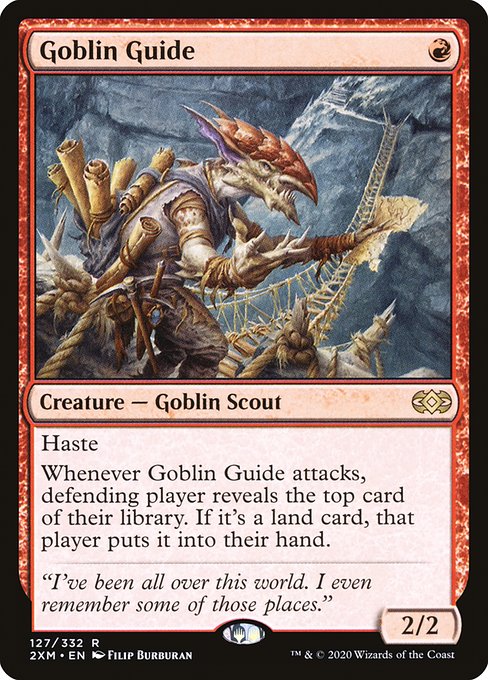
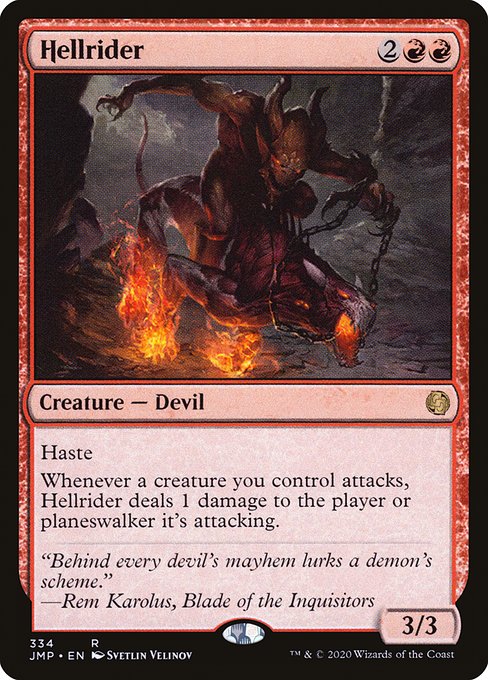
A creature with haste isn't affected by summoning sickness. It can attack as soon as it comes under your control. You can also activate its activated abilities with in the cost right away. This is huge for aggressive decks and surprise plays. A haste creature can attack the turn it enters the battlefield.
Defender
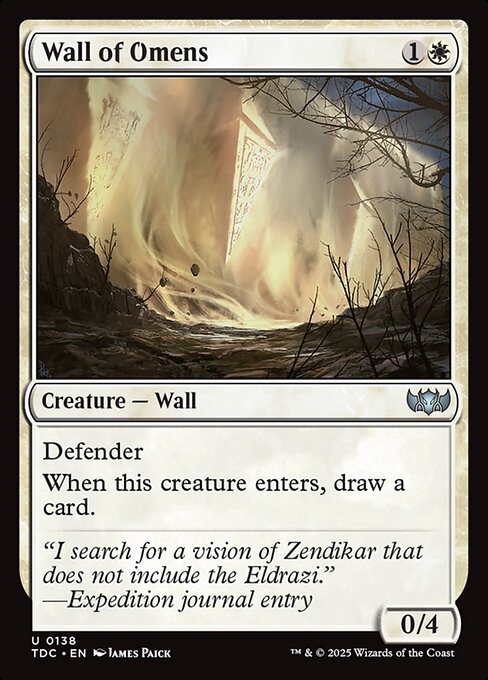
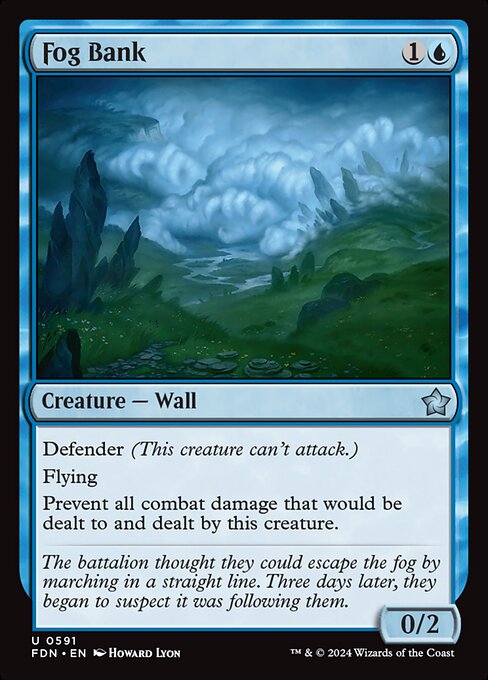
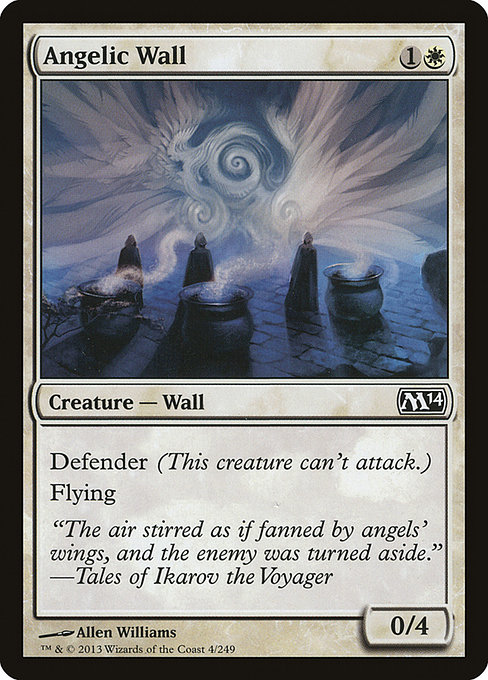
Defender is a keyword ability that prevents a creature from being able to attack while still being capable of blocking attacks. Creatures with Defender typically boast high toughness and commonly have zero power. These are pure blockers—walls to hold the line.
The Protection Keywords: Hexproof, Ward & Indestructible
Hexproof
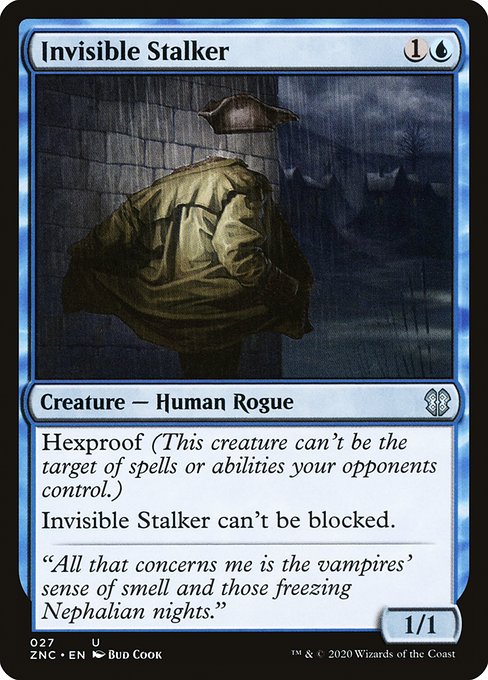
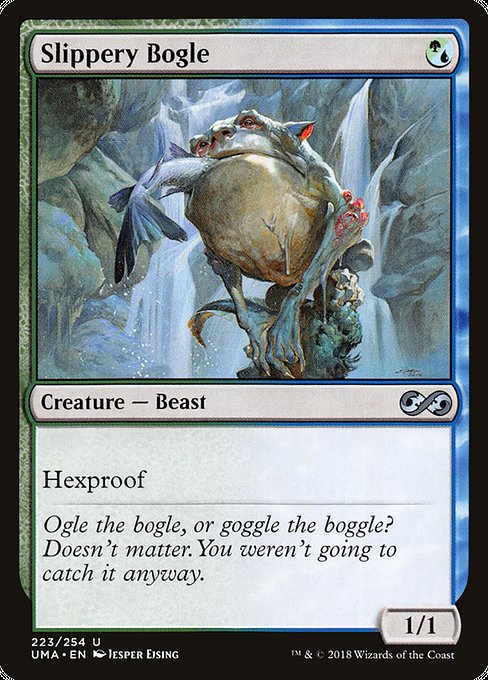
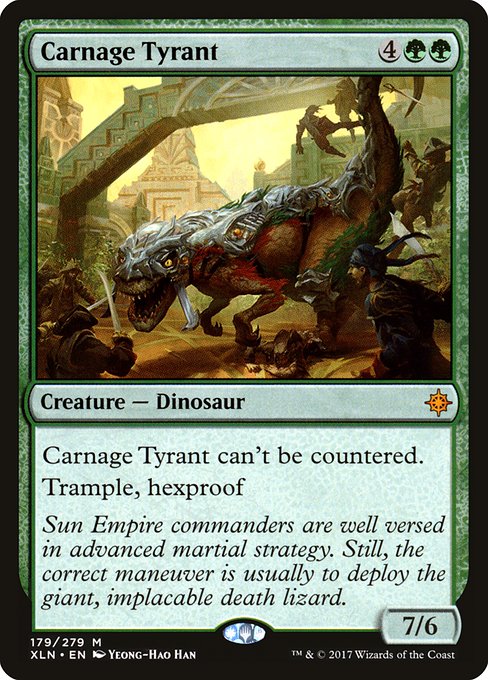
Hexproof is an evergreen keyword ability that prevents a permanent or player from being the target of spells or abilities played by opponents. A permanent with hexproof can't be the target of spells or abilities its controller's opponents control, though it can be targeted by its controller's spells or abilities. Hexproof only affects spells and abilities controlled by opponents, so you can still enchant, equip, or cast spells on your own creatures with hexproof.
Ward (Hexproof's Fairer Cousin)
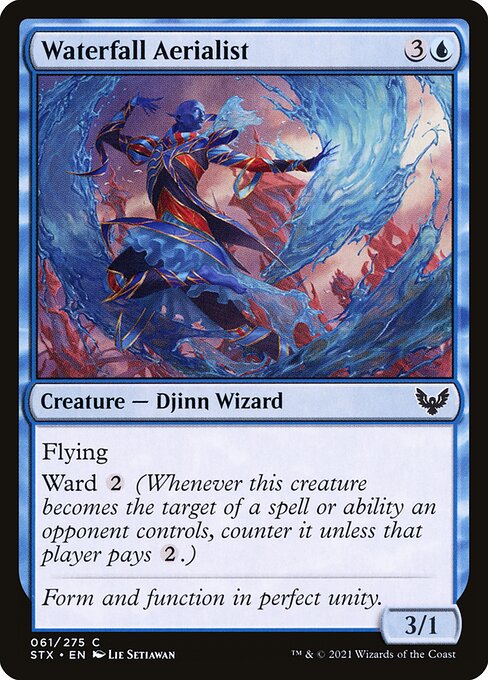
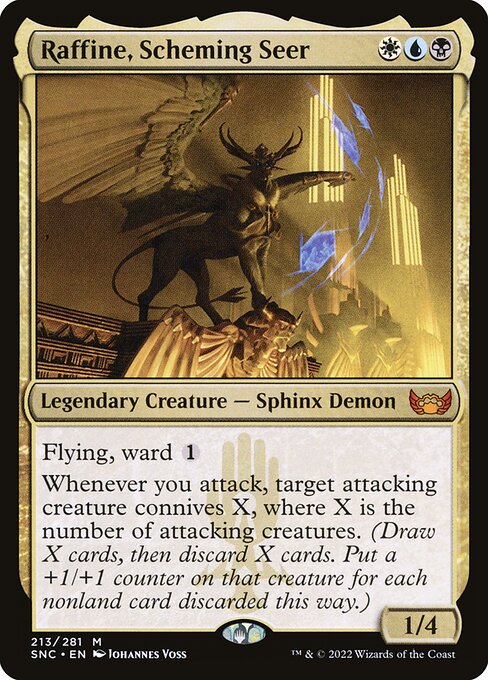
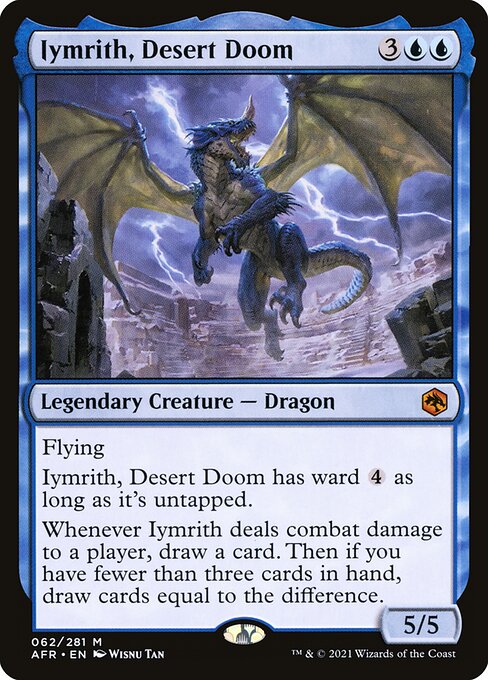
Ward is an evergreen keyword ability introduced in Strixhaven: School of Mages. Ward is a triggered ability. Whenever a permanent with ward becomes the target of a spell or ability an opponent controls, counter it unless that player pays an additional cost. It is a protective ability in the vein of shroud or hexproof, but it gives the opponent a way out to removing the permanent and hence can be used more frequently.
Indestructible
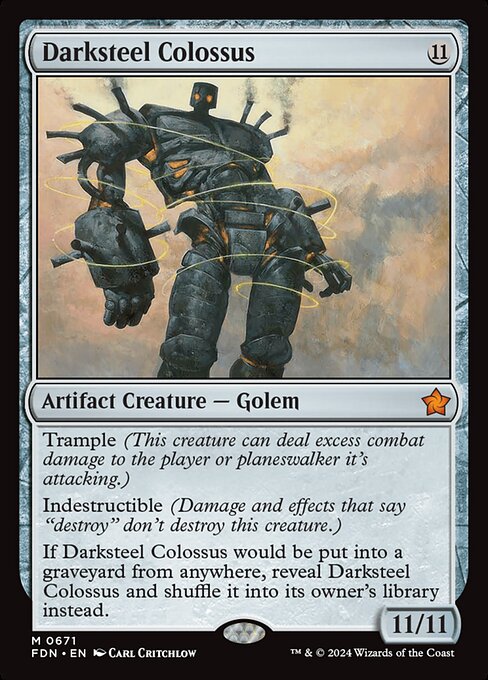
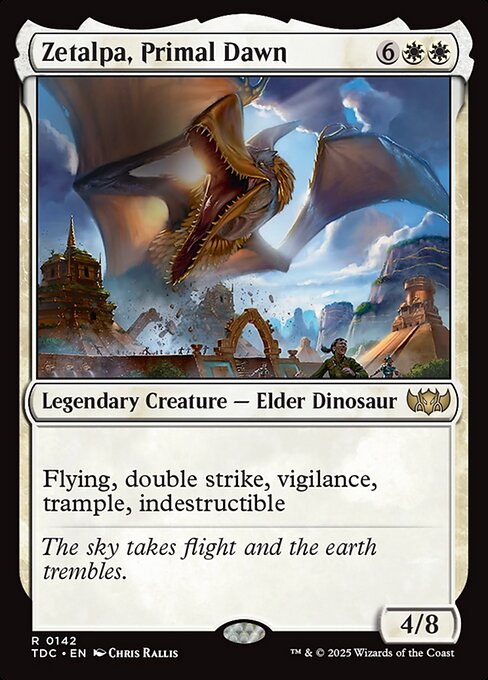
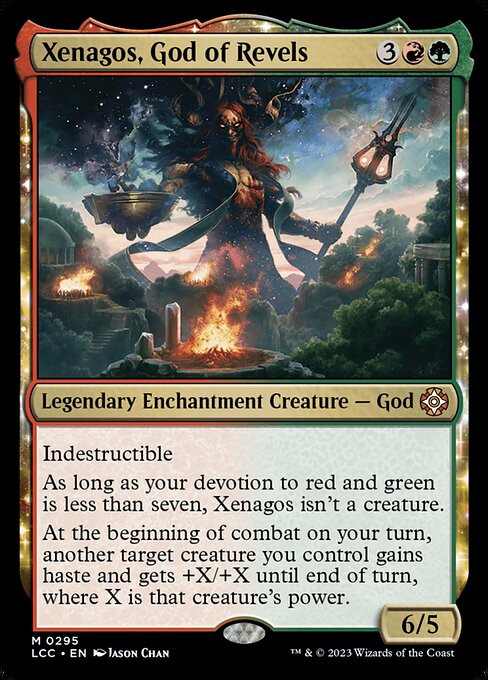
A permanent with indestructible cannot be destroyed by effects that say "Destroy" or by lethal damage. However, they can be countered, exiled, returned to the hand or library, sacrificed, or killed with effects that lower their toughness to zero. This is a common beginner gotcha: indestructible creatures still die to sacrifice effects, exile spells, and -X/-X damage.
The Utility Keywords: Flash, Lifelink & Equip
Flash
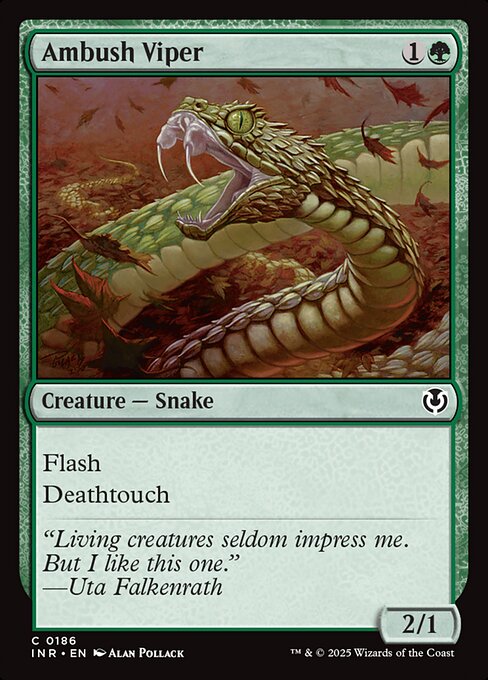
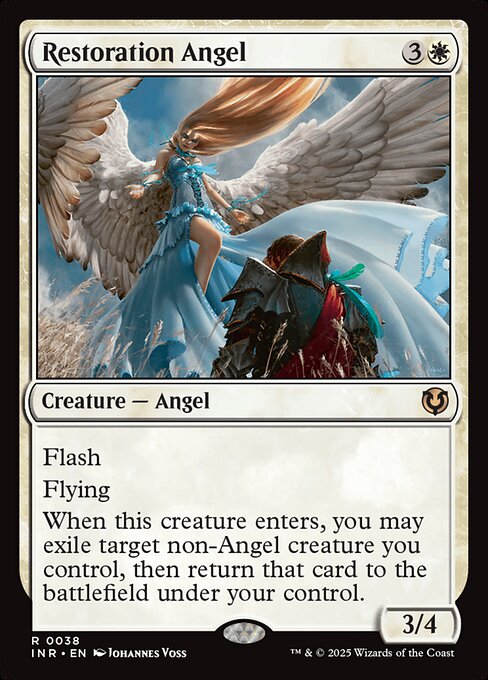
A spell with flash can be cast any time you could cast an instant. This makes flash creatures incredibly flexible—you can hold them in your hand and cast them on your opponent's turn in response to threats. Flash is where the stack and priority start mattering, so it teases Part 4 of this series.

Lifelink
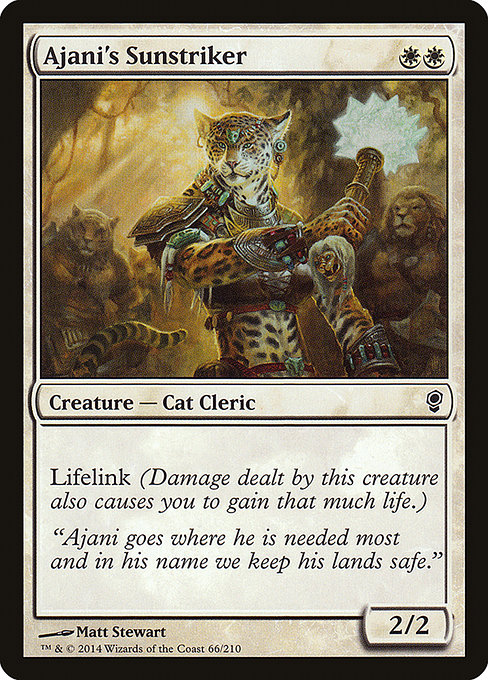
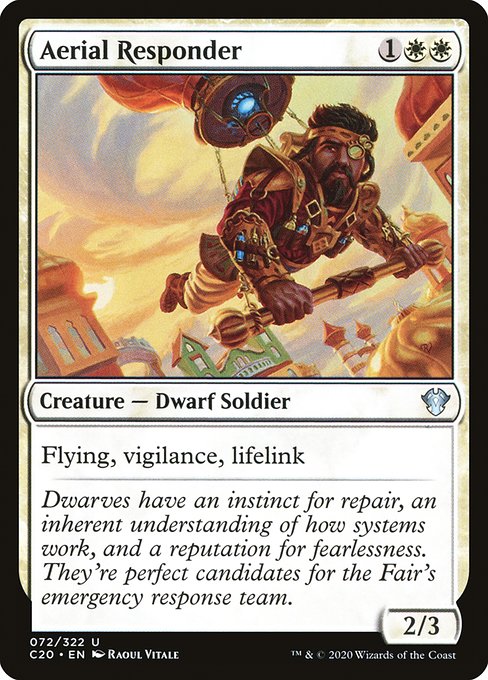
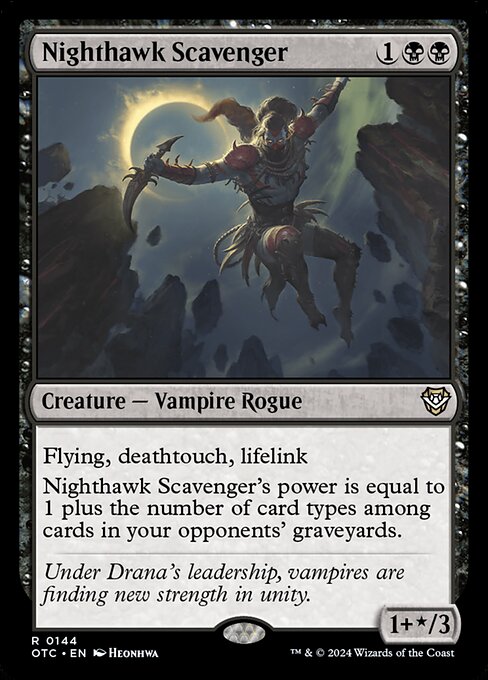
When a creature you control has lifelink and deals damage, you simultaneously gain that much life. Damage dealt by a source with lifelink causes that source's controller to gain that much life. This isn't just healing—it's a tempo swing. Every point of damage you deal also puts you further ahead.
Equip and Enchant (Brief Overview)
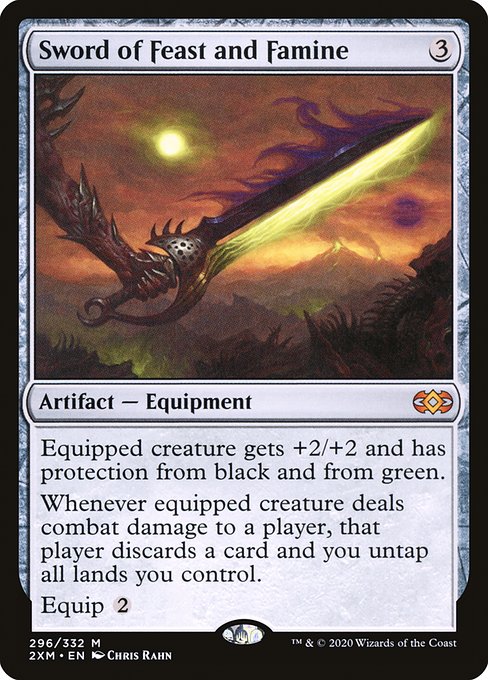
Equipment is a subtype that appears on an artifact that can be attached to a creature. Most Equipment cards have the activated ability "equip" followed by a cost—for example, "Equip ." An equip ability can be activated only any time you could cast a sorcery. When you activate an equip ability, you choose a creature you control as its target. When the ability resolves, the Equipment artifact becomes attached to that creature.
Aura is a subtype that appears on an enchantment that can be attached to a permanent. Each Aura has the keyword "enchant" followed by what it can be attached to—for example, "enchant creature," "enchant land," and so on. When you cast an Aura spell, you choose its target. When the Aura resolves, it's put onto the battlefield attached to that permanent.


What's Next: The Stack and Priority
You now know what the words mean. Next up in Part 4: learn how spells actually resolve, and why "in response" are the two most important words in Magic. Understanding the stack turns Magic from a card game into a puzzle you can solve every turn.
Master these 16 keywords, and you're ready for almost any set—from beginner play to competitive Magic. Use the Nerd Leagues Life Tracker to keep up with your game state while you practice, and jump into a game knowing you've got the vocabulary down.

Comments
Join the conversation.