

Building a Commander Mana Base Under $20

Why a Budget Commander Mana Base Actually Works
The biggest barrier to entry in Commander is the mana base. Most players assume they need shock lands, fetch lands, and other expensive dual lands costing $10–$40 each. That's simply not true. You don't need a $500 mana base to win Commander games. In fact, non-basic lands are the biggest budget killer, but you can build a functional 3-colour mana base for $20.
This guide ranks the best components for a budget Commander mana base, with real cards and current prices checked against live market data. Every recommendation here costs pocket change and works at casual tables—no compromises.
The Essential Budget Mana Base Staples ($1 Each or Less)
1. Command Tower — The Universal Color Fixer
There's no question here. Command Tower is one of the best lands in Commander, allowing you to generate any color of mana that you require with no downside whatsoever. Every decklist in EDH starts with one of these, and until WotC prints a strictly better Tower, it will remain that way. It costs mere cents and goes in every multicolor deck. Get it in any printing and move on.


2. Pain Lands — Untapped Mana at No Real Cost
Pain lands are the secret weapon of budget mana bases. They always enter untapped, tap for colorless free, or tap for one of two colors at the cost of 1 life. In commander, where you start at 40 life, that's nothing. The ten pain lands (Adarkar Wastes, Brushland, Karplusan Forest, Sulfurous Springs, Underground River, Caves of Koilos, Shivan Reef, Llanowar Wastes, Battlefield Forge, and Yavimaya Coast) are mostly under a dollar thanks to multiple reprints in recent sets. Guaranteed untapped mana every turn at a bargain price makes these the best budget duals in the game.


3. Check Lands (Buddy Lands) — Flexible and Cheap
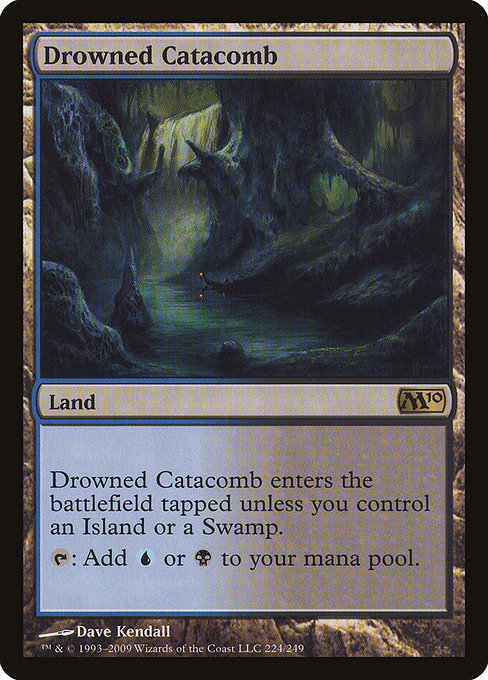
Check lands enter untapped if you control a land of either type, which you almost always will in a multicolor deck. Sunpetal Grove (~$0.47, check) and other check lands fix two colors for well under a dollar. They're not flashy, but they're consistent and genuinely strong in practice.
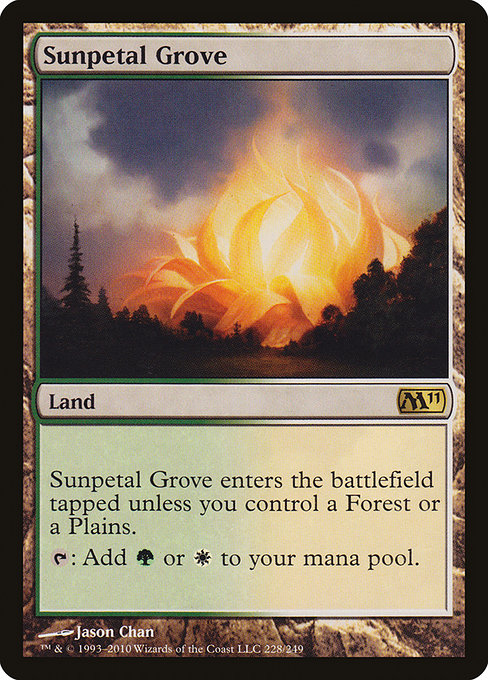
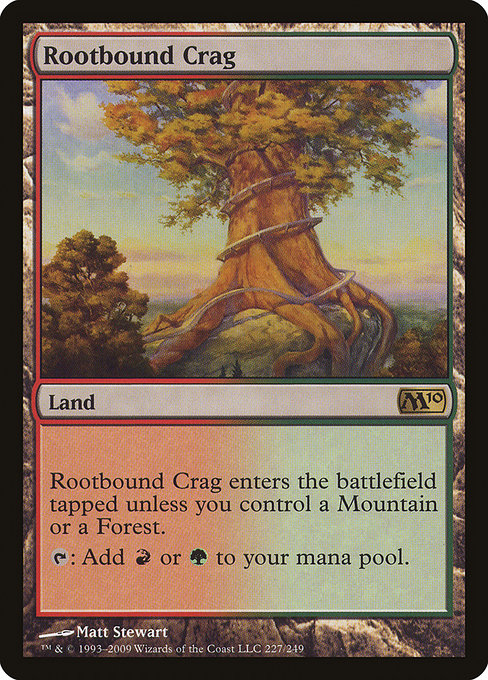
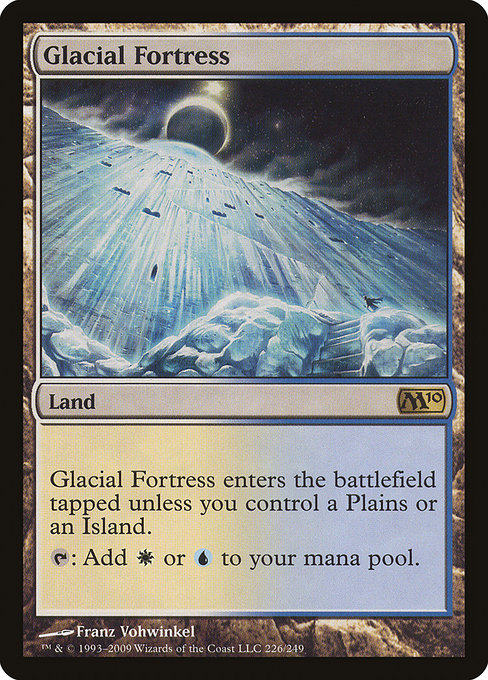
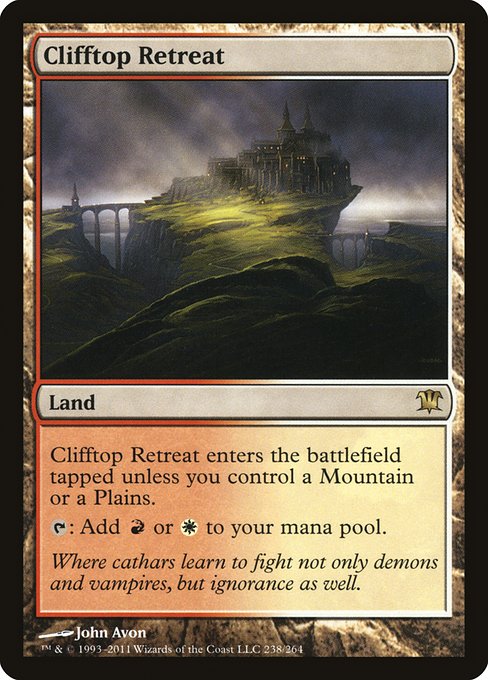
4. Gain Lands — Budget Dual Lands with Upside
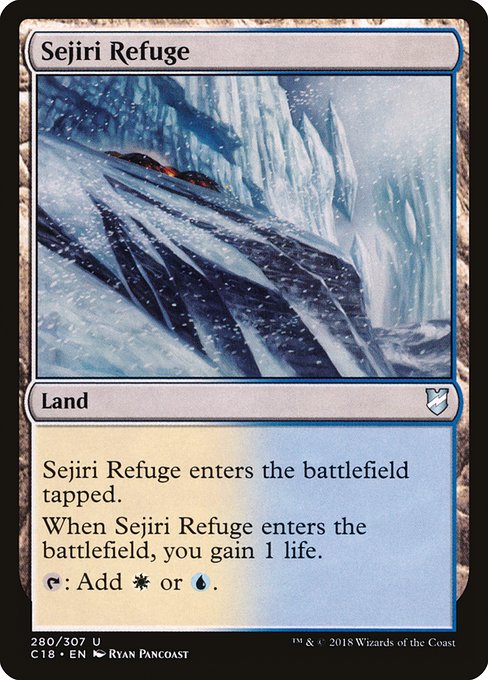
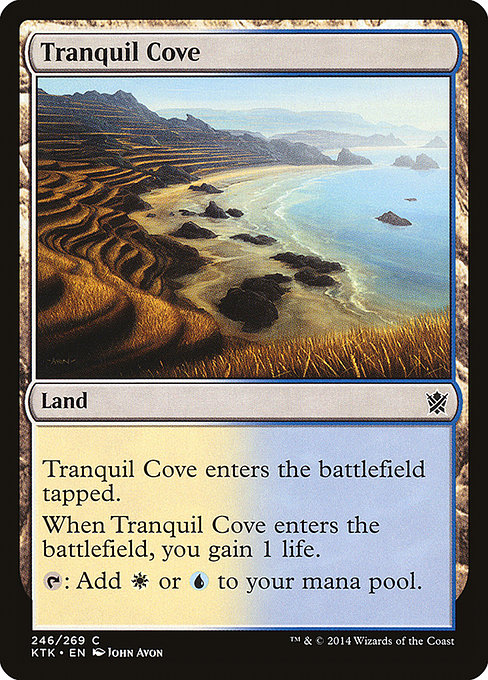
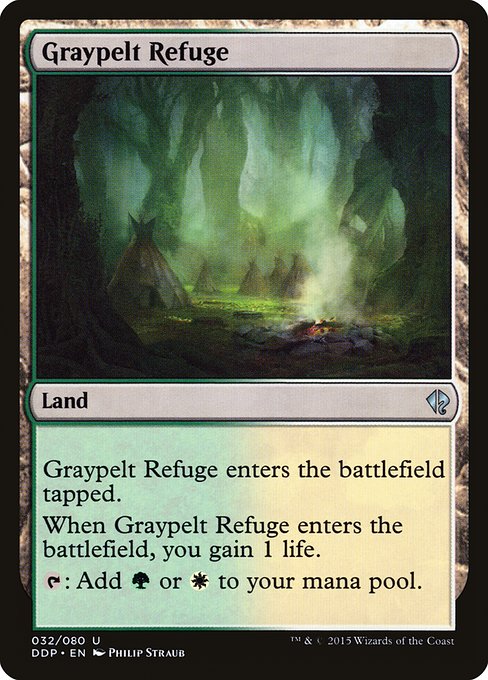
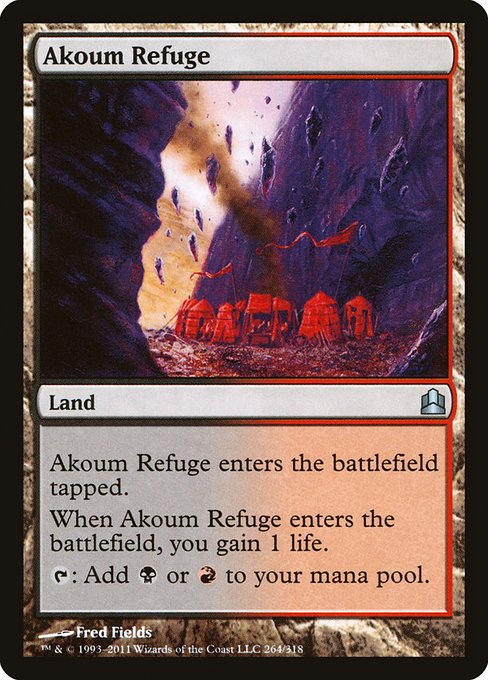
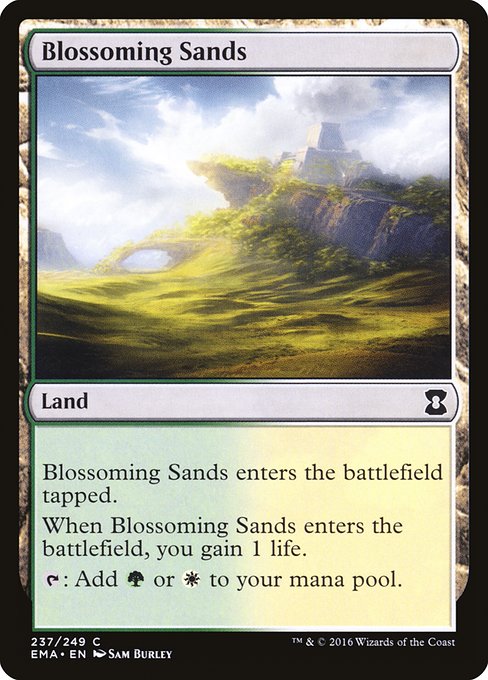
The common gain lands from Khans and Zendikar block offer the best and cheapest option. They come into play tapped, gain you a life, and then function just like a regular dual. They are not fetchable, but they are cheap. While they come in tapped, the life gain bonus is pure upside in slower Commander decks.
5. Temple Lands (Scry Lands) — Utility for Pennies
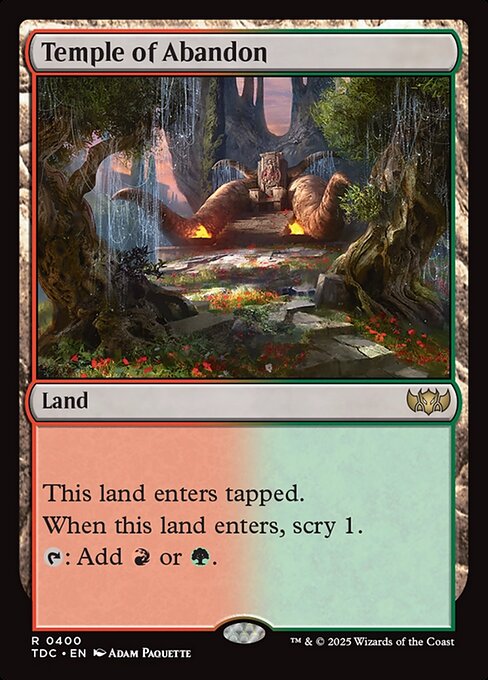
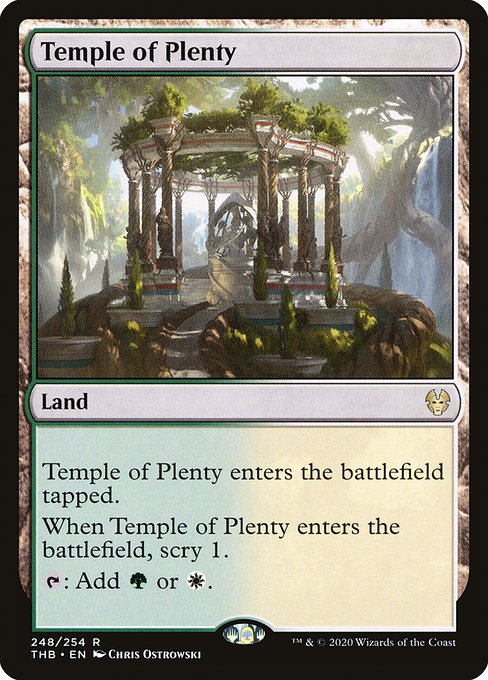
Scry lands like Temple of Malady let you look at the top card of your library and decide whether to keep it or put it on the bottom. Temple of Malady (~$0.23, scry) fixes two colors for well under a dollar. They come in tapped, but the card selection makes them worthwhile in slower decks.


6. Ravnica Bounce Lands — Ramp Plus Fixing
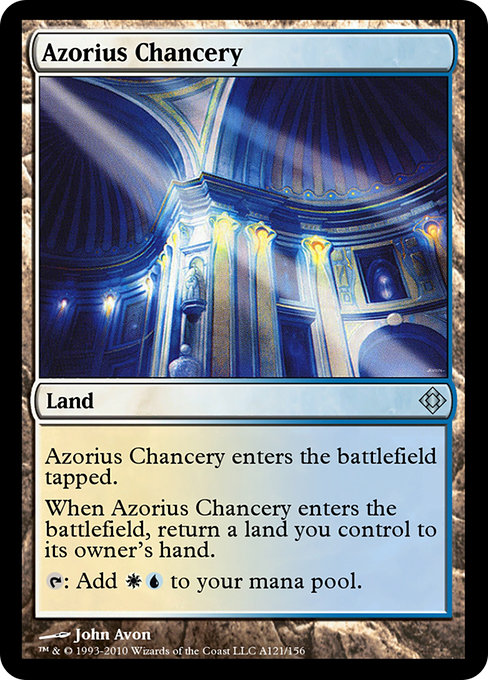
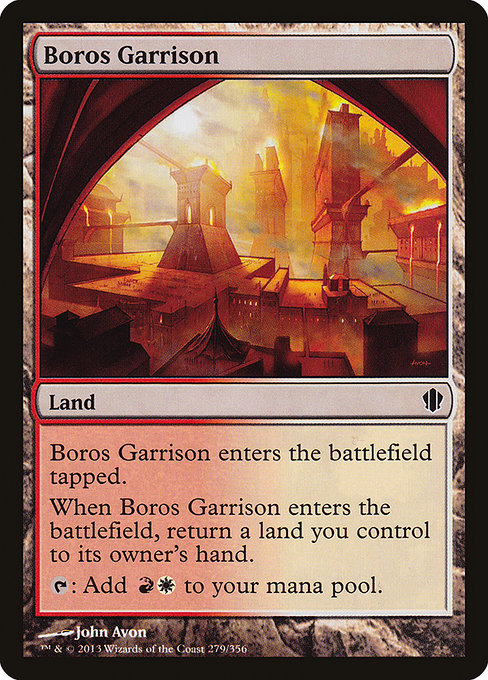
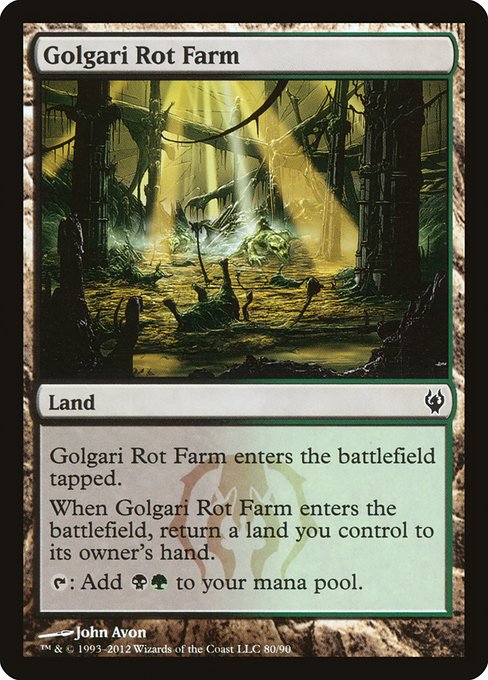
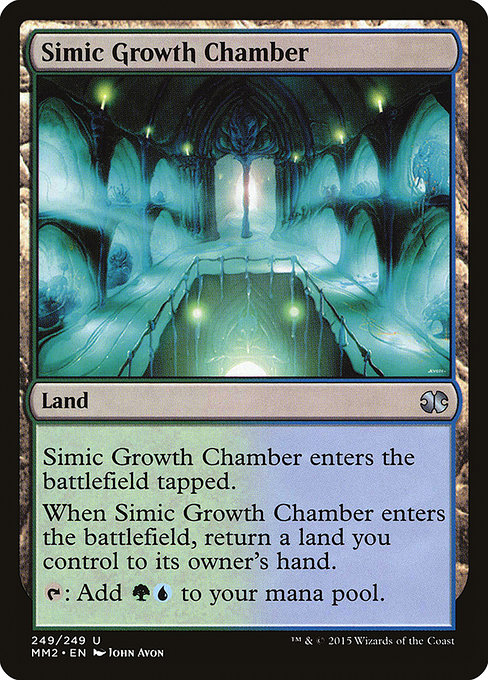
The Ravnica bounce lands are where you start to dip into the comes-into-play tapped variety of budget dual lands. They are deceptively good, as they allow you to get an extra land drop by returning your land to your hand. They also tap for two mana each, so they have a significant pay-off for their downside.
The Budget Mana Rock Foundation
Must-Have Rocks Under $3
Most Commander decks run 36 to 38 lands, supplemented by 8 to 12 mana rocks or ramp pieces. The exact number depends on your deck's curve, colors, and strategy, with faster decks using more rocks and fewer lands.
Arcane Signet is $0.65, making it one of the best two-mana rocks ever printed. Sol Ring is widely considered the strongest overall due to its one-mana cost and ability to produce two mana immediately. Both are staples in any color combination.
Arcane Signet remains the gold standard and is under $3 due to constant reprinting. The Talisman cycle, with cards like Talisman of Dominance and Talisman of Conviction trading at $2, allow you to tap for colorless mana immediately upon entering the battlefield.


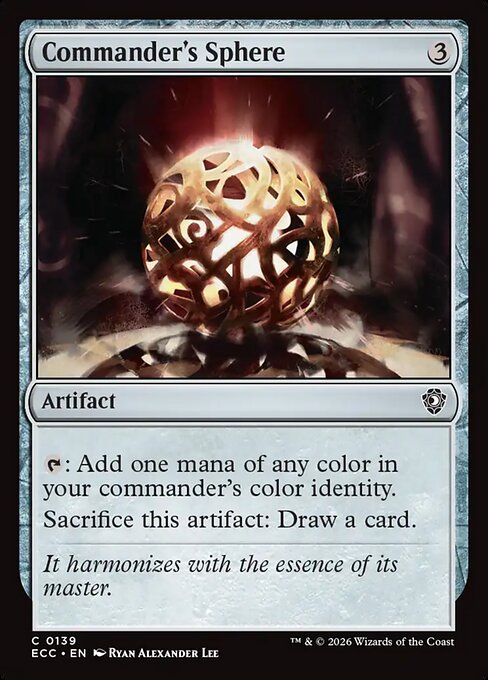
Utility Rocks Under $1
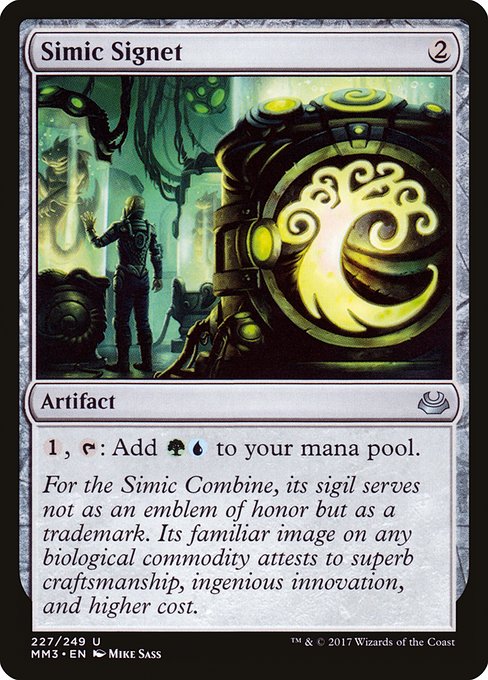
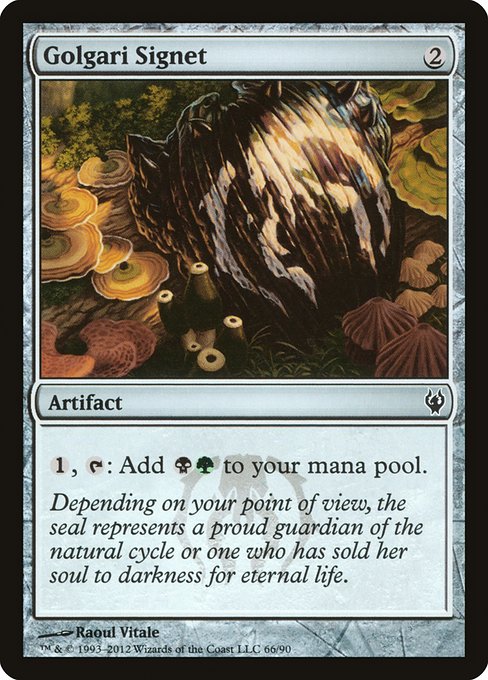
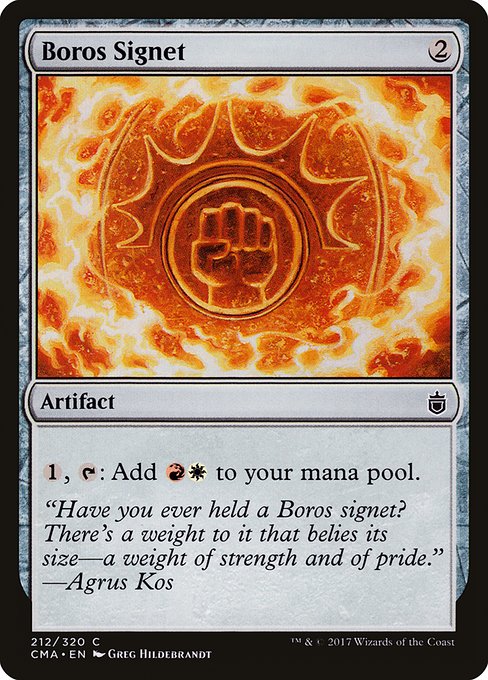
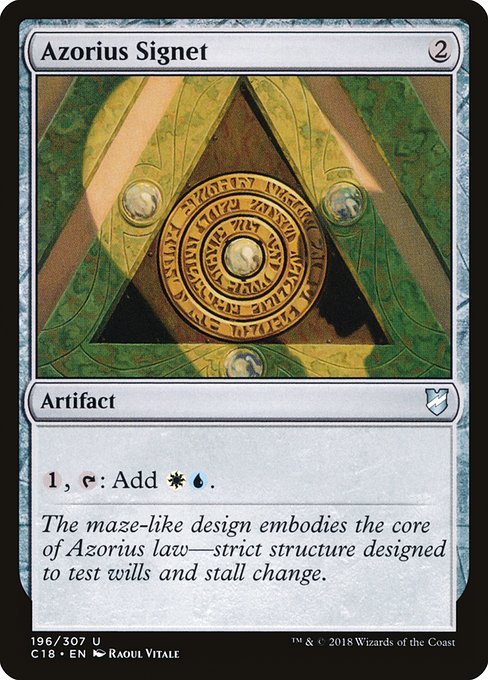
All of the Ravnica Signets (Dimir Signet, Golgari Signet, etc.) sit under $1 in their cheapest printings. These are perfect for two-color decks and give you solid mana acceleration without eating your entire budget.
Building a Sample 3-Color Mana Base for $12–$15
Here's a functional framework: A mana base for two and three color decks using budget components gives you a functional, consistent mana base for maybe $5 to $8 total, and you'll cast your spells on time without feeling bad about any of the slots. Add in a few basics (free), throw in Command Tower ($0.50), a set of pain lands ($0.50 each for 4–5 cards), a couple of check lands ($0.50 each), and 2–3 budget mana rocks like Arcane Signet and Sol Ring ($2–3 total for cheap reprints). You're well under $20.
What NOT to Buy (The Expensive Traps)
Skip fetch lands ($12–$40 each), shock lands ($8–$20), Triomes ($12–$30), the Surveil land cycle ($20+), and check lands ($5–$10 each). These are upgrades, not required. These lands are excellent—they'll make your mana base smoother—but they're not necessary for a playable deck.
The same goes for the Reserved List originals. Shock lands run $10 to $15. Fetch lands are $20 and up. Original duals cost more than most people's entire decks. You simply don't need them.
The Budget Mana Base Scaling Strategy
Budget building isn't about staying cheap forever—it's about starting cheap and upgrading thoughtfully. Budget decks improve over time. Start with $100, play 10–20 games, then upgrade one slot at a time based on what underperformed: Lands that kept coming in tapped → upgrade to shocks/pains. Ramp that cost too much → upgrade to Sol Ring, Mana Crypt (if in budget). Creatures that kept dying → upgrade to more resilient threats. Removal that was always "the wrong answer" → upgrade to universal removal. A $100 deck that costs $300 after a year of play is still budget — the upgrades are paid one card at a time, not one big hit.
Your first $20 mana base is your foundation. As you play, you'll identify which colors came up short, which lands felt slow, and where the real bottlenecks live. Those are your upgrade targets.
Quick SEO Answer
Yes, you can build a fully functional Commander mana base for under $20. Skip expensive dual lands and use budget basics, tap lands (Guildgates, Gain Lands), and cycle lands, which work fine at a casual table. The secret is pain lands (untapped, cost-efficient), command tower (universal color fixing), and cheap mana rocks like Arcane Signet. You get to play your games, cast your spells on time, and leave room in your budget for the cards that actually win.
Final Thoughts: Budget Is Sustainable
Building a budget Commander deck isn't a compromise—it's the smart play. 80% of a Commander deck's power lives in 15-20 cards: the commander, the enablers that make the commander do its thing, and a clean mana base. Everything else is filler that you can swap for whatever you own. That math is why budget decks work. You spend your budget on the 15-20 cards that matter and fill the rest with bulk rares, commons, and basics you already have.A tight $20 mana base with the right land cycles and cheap rocks gives you consistency without the five-figure investment. Pair that with synergistic commanders and focused gameplay, and you'll have a deck that wins games—and won't need to be rebuilt every time prices shift.




Comments
Join the conversation.