

Rating the Power Level of Earendil's Star: A Galadriel EDH Bracket Check

Quick answer: Earendil's Star, my Galadriel, Light of Valinor token deck, is a Bracket 3 Commander deck with a Bracket 4 price tag and a Bracket 2 clock. It packs four Game Changers and a $700+ list, but it wins through combat around turn eight or later, and its 2-4 lifetime record says the ceiling and the floor are far apart. Here's the honest power level assessment, category by category.
If you want the build's origin story, I documented the whole thing in my original Galadriel deck tech. This post is the follow-up question nobody likes answering about their own deck: how strong is it, really?
What the Deck Is Trying to Do
Earendil's Star (EDH)
- 1 Arcane Signet
- 1 Selesnya Signet
- 1 Sol Ring
- 1 Thought Vessel
- 1 Skullclamp
- 6 Forest
- 4 Island
- 5 Plains
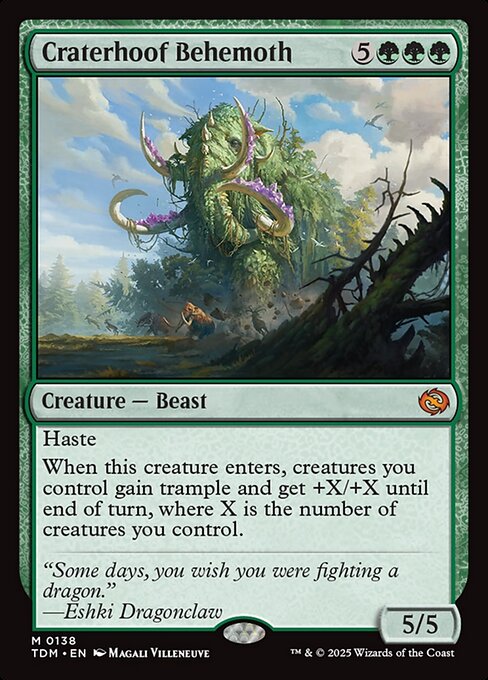
- 1 Craterhoof Behemoth
- 1 Birds of Paradise
- 1 Tendershoot Dryad
- 1 Elvish Mystic
- 1 Evolution Sage
- 1 Gala Greeters
- 1 Incubation Druid
- 1 Wood Elves
- 1 Wolverine Riders
- 1 Faerie Artisans
- 1 High Fae Trickster
- 1 Noble Hierarch
- 1 Clever Impersonator
- 1 Sakura-Tribe Elder
- 1 Kami of Whispered Hopes
- 1 Moonshaker Cavalry
- 1 Anointed Procession
- 1 Aura Shards
- 1 Cathars' Crusade
- 1 Elven Chorus
- 1 Felidar Retreat
- 1 Hardened Scales
- 1 Parallel Lives
- 1 Rhystic Study
- 1 Smothering Tithe
- 1 Akroma's Will
- 1 Arachnogenesis
- 1 Arcane Denial
- 1 Aura Mutation
- 1 Cyclonic Rift
- 1 Galadhrim Ambush
- 1 Galadriel's Dismissal
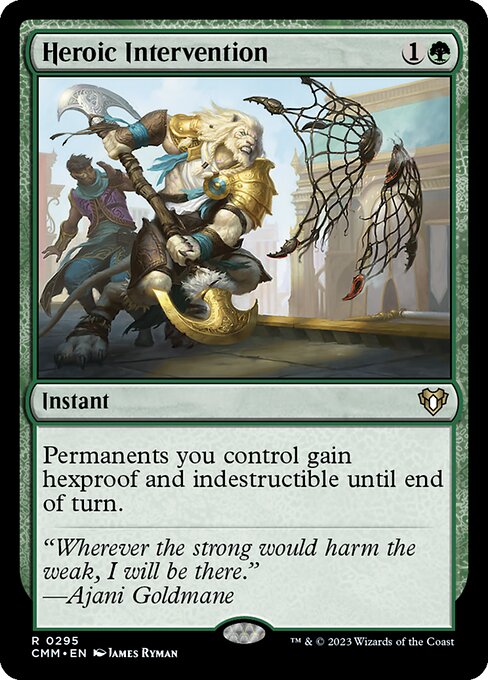
- 1 Heroic Intervention
- 1 Secure the Wastes
- 1 Strix Serenade
- 1 Stroke of Midnight
- 1 Swan Song
- 1 Swords to Plowshares
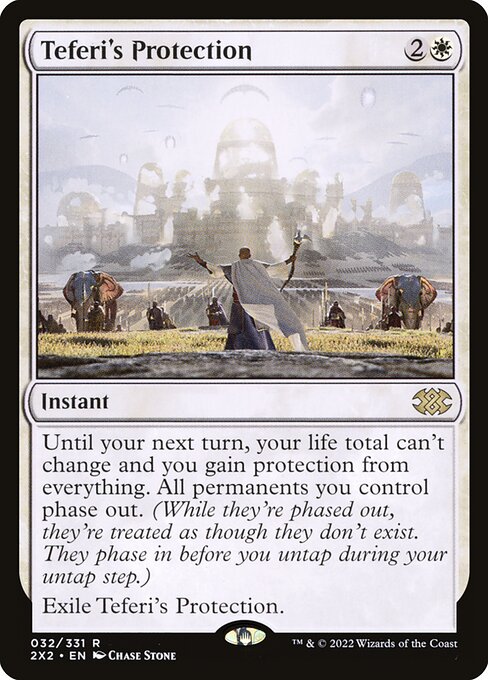
- 1 Teferi's Protection
- 1 Brushland
- 1 Command Tower
- 1 Exotic Orchard
- 1 Flooded Grove
- 1 Flooded Strand
- 1 Hinterland Harbor
- 1 Misty Rainforest
- 1 Rejuvenating Springs
- 1 Sea of Clouds
- 1 Sunpetal Grove
- 1 Verdant Catacombs
- 1 Windswept Heath
- 1 Wooded Foothills
- 1 Yavimaya Coast
- 1 Breeding Pool
- 1 Canopy Vista
- 1 Temple Garden
- 1 Hallowed Fountain
- 1 Barkchannel Pathway // Tidechannel Pathway
- 1 Ozolith, the Shattered Spire
- 1 Esika's Chariot
- 1 Bennie Bracks, Zoologist
- 1 Arwen, Weaver of Hope
- 1 Rhys the Redeemed
- 1 Lae'zel, Vlaakith's Champion
- 1 Adeline, Resplendent Cathar
- 1 Sakashima the Impostor
- 1 Danny Pink
- 1 Brigid, Clachan's Heart // Brigid, Doun's Mind
- 1 Adrix and Nev, Twincasters
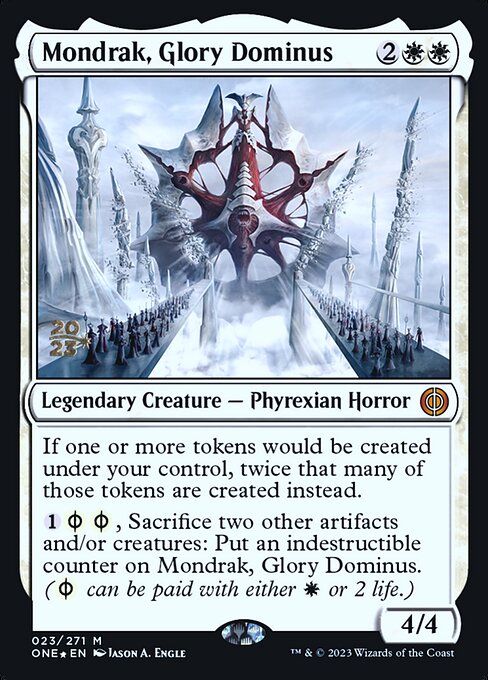
- 1 Mondrak, Glory Dominus
- 1 Vorinclex, Monstrous Raider
- 1 Koma, Cosmos Serpent
- 1 Yavimaya, Cradle of Growth
- 1 Elspeth, Storm Slayer
- 1 Elspeth, Sun's Champion
- 1 Damning Verdict
- 1 Irenicus's Vile Duplication
- 1 Rally the Galadhrim
- 1 Wave Goodbye
- 1 Galadriel, Light of Valinor
The plan is simple to state and slow to execute. Galadriel triggers whenever another creature enters under my control — up to three times a turn, choosing between  , a +1/+1 counter on every creature I control, or a scry 2 and a card. So the deck floods the board with token makers that fire on every player's turn, like Tendershoot Dryad, Wolverine Riders, and Faerie Artisans, stacks doublers on top, and converts the pile into a kill with Craterhoof Behemoth or Moonshaker Cavalry.


How Fast Are the Deck's Wins?
This is where a Spike has to be honest. The average mana value is 3.34, the curve has twenty cards at four mana, and the commander herself costs 

 . The only fast mana is Sol Ring. Six mana dorks and fifteen total ramp pieces mean Galadriel reliably lands on turn three or four — but the deck still needs two or three more turns of engine assembly before an overrun is lethal.
The fastest recorded win came from exactly that script: a quick wide board into Craterhoof. The best game the deck has ever had was a doubler-stacked table where Sakashima the Impostor gave me a second Galadriel, an Aura Mutation on a Smothering Tithe produced sixteen Saprolings with Mondrak, Glory Dominus multiplying the output, and Craterhoof closed it out. That's the ceiling — and even the ceiling is a turn-eight combat kill, not a turn-five combo. No infinite loops, no compact win package. That caps the bracket conversation before it starts.
Interaction Density: The Deck's Real Weakness
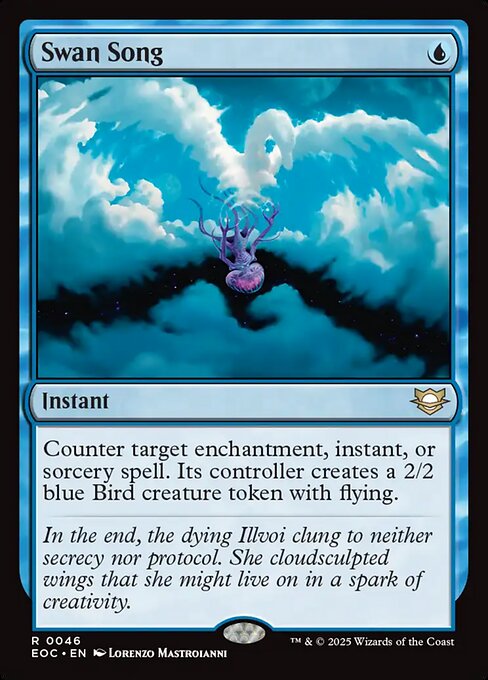
Count the answers: five removal spells, three counterspells (Arcane Denial, Swan Song, Strix Serenade), two board wipes. Ten pieces of interaction in a hundred cards is thin for a deck that needs the game to go long.
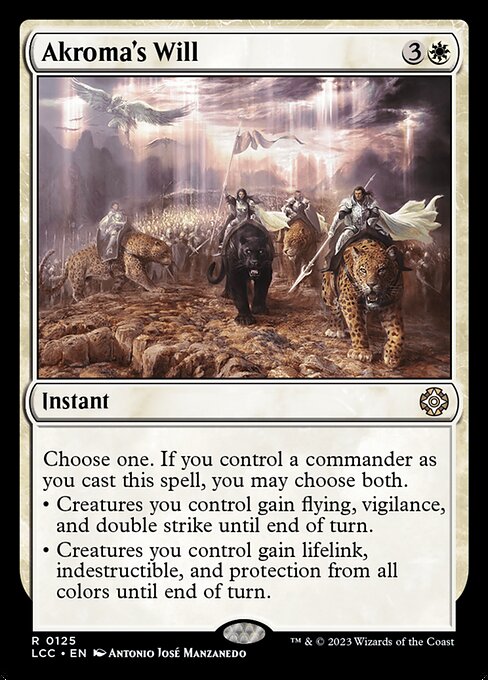
What the deck has instead is eight protection effects — Teferi's Protection, Heroic Intervention, Akroma's Will, Flawless Maneuver, and friends. That's a deliberate choice: this list defends its own board far better than it polices anyone else's. The trade-off shows up in the loss column. In four of six recorded games, someone else's engine simply outraced or outlasted mine, including one game where a combo deck won with plain combat damage while I held answers that never lined up. And I learned the hard way that Teferi's Protection is a dead card if you tap out — my own game note from a July loss reads like a warning label: keep the white mana open.
Game Changers, Price, and the Bracket Verdict
Here's where the Commander bracket system gets interesting for this list. The deck runs four cards from Wizards' Game Changers list: Rhystic Study, Smothering Tithe, Teferi's Protection, and Aura Shards. On raw Game Changer count, that nudges past what Bracket 3 contemplates. On price — roughly $737 — it looks like a high-power list too.
But bracket is about how a deck behaves, not what it cost. No tutors, no two-card combos, one piece of fast mana, a combat-only win condition, and only eight dedicated draw sources outside the commander. The Game Changers here are value engines, not win conditions. Run the list through the Nerd Leagues Bracket Calculator and the profile is unmistakable: an upgraded, synergy-dense Bracket 3 deck wearing expensive cards, not a Bracket 4 deck.
The 33% win rate across six games — dead even with the 25% baseline of a four-player pod, sample size noted — backs that up. It wins when the engine goes uncontested and loses when it doesn't, which is the textbook Bracket 3 experience.
What Table Should Earendil's Star Sit At?
This deck belongs at an upgraded-casual pod that lets board states develop: Bracket 3 tables where creatures matter, wipes exist but combos don't end the game on turn five. Against Bracket 4 opposition it's consistently a turn too slow, and its ten interaction pieces can't tax three opponents at once. Drop it into a Bracket 2 pod and the doubler stacking plus Rhystic Study will feel like bullying.
The honest rating: Bracket 3, high end of the room but not the warden of it. The next real power upgrade isn't another expensive card — it's swapping three or four protection slots for cheap interaction, because the deck already survives everything except somebody else winning first.


Comments
Join the conversation.