

Vraska, Soul of Stone EDH Deck Guide: Bracket 2, 3 and 4 Builds

Vraska, Soul of Stone is a three-mana Jeskai commander whose whole deck is one sentence long: cast a noncreature spell, get a 1/1 artifact creature that taps and sacrifices for a mana of any color. We built her three times, and the difference between the lists isn't the engine. It's how hard each one is allowed to push it.
What Vraska, Soul of Stone Actually Does
The card costs 

 for a 3/3 Gorgon Wizard with two lines of text. Artifact creatures you control have vigilance, and "Whenever you cast a noncreature spell, create a 1/1 colorless Sculpture Treasure artifact creature token with '
 , Sacrifice this token: Add one mana of any color.'"
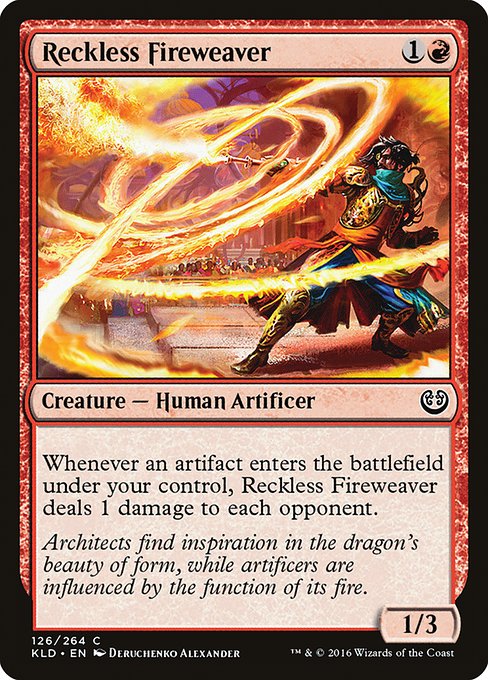
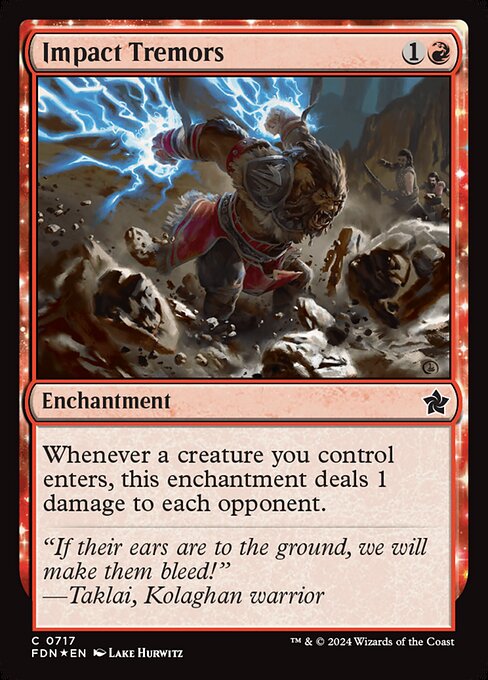
The token is the trick. A Sculpture Treasure is three things at once: a Treasure you can crack for mana, an artifact entering the battlefield, and a creature entering the battlefield. So one cantrip triggers Reckless Fireweaver (artifact enters) and Impact Tremors (creature enters) for two damage to each opponent, leaves a body behind, and that body is also a mana source. Nothing else in the Treasure-commander lineup covers all three triggers off a single token.



Two cards in every build turn that from cute into a game plan. Harmonic Prodigy makes triggered abilities of Shamans and Wizards you control trigger an additional time, and Vraska is a Wizard, so every noncreature spell makes two Sculptures. Skullclamp turns a 1/1 token into two cards for one mana, and you are never short of 1/1 tokens. A ruling worth knowing before you sit down: Vraska's trigger resolves before the spell that caused it, and the token arrives even if that spell gets countered.
The Core All Three Decks Share
The three lists live at the same deck pages we built them on: Bracket 2, Bracket 3, and Bracket 4. Forty-four nonbasic cards plus basics appear in all three, and that shared core is the deck:
- Spell density. Brainstorm, Ponder, Preordain, Frantic Search, and Whirlwind of Thought — cheap noncreature spells that each pay out a token and keep the hand full.
- Payoffs for tokens entering. Reckless Fireweaver, Impact Tremors, Fateful Discovery (draw a card whenever an artifact you control enters), and Storm-Kiln Artist adding a second Treasure per instant or sorcery.
- Token multipliers. Academy Manufactor turns each Treasure creation into a Clue, a Food, and a Treasure; Xorn adds an extra Treasure on top.
- A combat finish. Craterclaw Colossus enters with haste and gives your creatures trample and +X/+0 where X is the number of artifacts you control — and every Sculpture counts twice over, as an artifact in the count and a creature receiving the pump. Cyberdrive Awakener gives the whole team flying for a turn. Samut, Hazoret's Champion and Roar of Resistance supply haste so this-turn tokens attack this turn.
- Cheap interaction. Swords to Plowshares, Path to Exile, Dispatch, Counterspell, and An Offer You Can't Refuse, plus Lightning Greaves for the commander.
One honest caveat on the multipliers: Vraska's token is a Treasure with extra types and text, and how Academy Manufactor's replacement interacts with a non-standard Treasure is a question you should settle with your pod before the first trigger, not during it.
The Bracket 2 Build: Dragons Instead of Treasure
The low-power list is the one that takes the biggest swing. Draconic Visitor says that if one or more artifact tokens would be created under your control, that many 5/5 red Dragon creature tokens with flying are created instead. With Vraska and Visitor both out, every cantrip is a 5/5 flier. this includes the Thopters from Saheeli, Jewel of Avishkar, Thopter Spy Network, and Stridehangar Automaton.


The trade is real, though. A Dragon is not a Treasure, so Visitor shuts off your mana and every artifact-enters trigger the moment it lands. At a four-player table that's usually fine: five-power fliers end games faster than two pings a spell. Brudiclad, Telchor Engineer is the backup for the turns Visitor isn't there. At the beginning of combat it makes a Myr, then turns every other token you control into a copy of one token you choose, so one Dragon becomes a sky full of them.
The rest of this list is the "fair" version of the engine: Jhoira, Weatherlight Captain drawing off historic spells, Etherium Sculptor discounting artifacts, Thought Monitor and Voyage Home cashing in affinity, Faithless Looting and Negate where the other lists run better versions. The mana base is tapped lands and signets. Mystic Monastery, Prairie Stream, Sundown Pass, Spire of Industry, and sixteen basics. We checked all 100 cards against the current 53-card Game Changers list and none appear.
Vraska, Soul of Stone Bracket 2 (EDH)
- 1 Arcane Signet
- 1 Azorius Signet
- 1 Boros Signet
- 1 Fellwar Stone
- 1 Idol of Oblivion
- 1 Izzet Signet
- 1 Sol Ring
- 1 Talisman of Conviction
- 1 Talisman of Creativity
- 1 Talisman of Progress
- 1 Thought Vessel
- 1 Lightning Greaves
- 1 Skullclamp
- 1 Wizard's Staff
- 1 Uthros Research Craft
- 1 Academy Manufactor
- 1 Craterclaw Colossus
- 1 Cyberdrive Awakener
- 1 Stridehangar Automaton
- 1 Thought Monitor
- 1 Kappa Cannoneer
- 1 Etherium Sculptor
- 1 Ancient Den
- 1 Great Furnace
- 1 Seat of the Synod
- 6 Island
- 5 Mountain
- 5 Plains
- 1 Draconic Visitor
- 1 Storm-Kiln Artist
- 1 Xorn
- 1 Reckless Fireweaver
- 1 Third Path Iconoclast
- 1 Harmonic Prodigy
- 1 Fateful Discovery
- 1 Frostcliff Siege
- 1 Impact Tremors
- 1 Jeskai Ascendancy
- 1 Roar of Resistance
- 1 Thopter Spy Network
- 1 Whirlwind of Thought
- 1 An Offer You Can't Refuse
- 1 Arcane Denial
- 1 Boros Charm
- 1 Brainstorm
- 1 Consider
- 1 Counterspell
- 1 Dispatch
- 1 Dovin's Veto
- 1 Frantic Search
- 1 Negate
- 1 Opt
- 1 Path to Exile
- 1 Swords to Plowshares
- 1 Adarkar Wastes
- 1 Battlefield Forge
- 1 Clifftop Retreat
- 1 Command Tower
- 1 Deserted Beach
- 1 Exotic Orchard
- 1 Glacial Fortress
- 1 Mystic Monastery
- 1 Shivan Reef
- 1 Spire of Industry
- 1 Stormcarved Coast
- 1 Sulfur Falls
- 1 Sundown Pass
- 1 Steam Vents
- 1 Sacred Foundry
- 1 Hallowed Fountain
- 1 Prairie Stream
- 1 Inspirit, Flagship Vessel
- 1 Alibou, Ancient Witness
- 1 Brudiclad, Telchor Engineer
- 1 Jhoira, Weatherlight Captain
- 1 Saheeli, Jewel of Avishkar
- 1 Samut, Hazoret's Champion
- 1 Geist of Saint Thalia
- 1 Saheeli, Sublime Artificer
- 1 Blasphemous Act
- 1 Faithless Looting
- 1 Organic Extinction
- 1 Ponder
- 1 Preordain
- 1 Thoughtcast
- 1 Voyage Home
- 1 Vraska, Soul of Stone
The Bracket 3 Build: Fetchlands and Go-Wide Payoffs
Twenty-one cards change between the Bracket 2 and Bracket 3 lists, and almost none of them change what the deck does. They change how reliably it does it. Out go the Dragon package, the tapped duals, and five basics. In come Arid Mesa, Flooded Strand, Scalding Tarn, Raugrin Triome, Sea of Clouds, Spectator Seating, and Training Center; plus Sensei's Divining Top, Esper Sentinel, Swan Song, Deflecting Swat, Fabricate, and Urza, Lord High Artificer, who makes every artifact, Sculptures included, tap for .

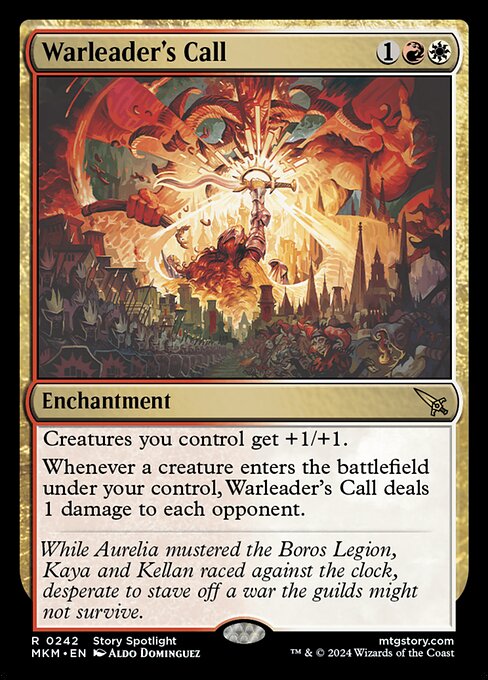


The cards only this list runs tell you its identity. Elspeth, Storm Slayer and Anointed Procession double every token, Warleader's Call pings an opponent for each creature entering, and Weftstalker Ardent deals 1 damage to each opponent whenever another creature or artifact enters. Stack those on a doubled Vraska trigger and a single Ponder is four Sculptures and a pile of damage to every opponent. This is the build that kills by trigger count rather than by combat, and it's the one we'd expect to draw the most removal on the commander.
Here is the part the bracket label doesn't tell you: checked against the same 53-card list, the Bracket 3 deck runs zero Game Changers either. Deflecting Swat was dropped from that list in October 2025. What moves this list up is the fetchland mana base, the free interaction, and Fabricate finding Skullclamp on demand. If you've been treating Game Changer count as the whole bracket conversation, our guide to how the five brackets actually work is the context for why that's not enough.
Vraska, Soul of Stone Bracket 3 (EDH)
- 1 Arcane Signet
- 1 Azorius Signet
- 1 Fellwar Stone
- 1 Idol of Oblivion
- 1 Izzet Signet
- 1 Sensei's Divining Top
- 1 Sol Ring
- 1 Talisman of Conviction
- 1 Talisman of Creativity
- 1 Talisman of Progress
- 1 Thought Vessel
- 1 Lightning Greaves
- 1 Skullclamp
- 1 Wizard's Staff
- 1 Uthros Research Craft
- 1 Academy Manufactor
- 1 Craterclaw Colossus
- 1 Cyberdrive Awakener
- 1 Stridehangar Automaton
- 1 Esper Sentinel
- 1 Kappa Cannoneer
- 1 Ancient Den
- 1 Great Furnace
- 1 Seat of the Synod
- 4 Island
- 4 Mountain
- 3 Plains
- 1 Weftstalker Ardent
- 1 Storm-Kiln Artist
- 1 Xorn
- 1 Reckless Fireweaver
- 1 Third Path Iconoclast
- 1 Harmonic Prodigy
- 1 Anointed Procession
- 1 Fateful Discovery
- 1 Frostcliff Siege
- 1 Impact Tremors
- 1 Jeskai Ascendancy
- 1 Roar of Resistance
- 1 Warleader's Call
- 1 Whirlwind of Thought
- 1 An Offer You Can't Refuse
- 1 Arcane Denial
- 1 Boros Charm
- 1 Brainstorm
- 1 Consider
- 1 Counterspell
- 1 Deflecting Swat
- 1 Dispatch
- 1 Dovin's Veto
- 1 Frantic Search
- 1 Opt
- 1 Path to Exile
- 1 Swan Song
- 1 Swords to Plowshares
- 1 Sink into Stupor // Soporific Springs
- 1 Adarkar Wastes
- 1 Arid Mesa
- 1 Battlefield Forge
- 1 Clifftop Retreat
- 1 Command Tower
- 1 Deserted Beach
- 1 Exotic Orchard
- 1 Flooded Strand
- 1 Glacial Fortress
- 1 Scalding Tarn
- 1 Sea of Clouds
- 1 Shivan Reef
- 1 Spectator Seating
- 1 Stormcarved Coast
- 1 Sulfur Falls
- 1 Training Center
- 1 Steam Vents
- 1 Raugrin Triome
- 1 Sacred Foundry
- 1 Hallowed Fountain
- 1 Alibou, Ancient Witness
- 1 Saheeli, Jewel of Avishkar
- 1 Urza, Lord High Artificer
- 1 Mister Fantastic, Reed Richards
- 1 Samut, Hazoret's Champion
- 1 Geist of Saint Thalia
- 1 Elspeth, Storm Slayer
- 1 Tezzeret, Cruel Captain
- 1 Blasphemous Act
- 1 Fabricate
- 1 Organic Extinction
- 1 Ponder
- 1 Preordain
- 1 Sevinne's Reclamation
- 1 Thoughtcast
- 1 Vraska, Soul of Stone
The Bracket 4 Build: Twelve Game Changers and a Storm Finish
Thirty cards change between the Bracket 3 and Bracket 4 lists, and this time the deck's shape changes with them. Cut: the token doublers, the ping enchantments, Jeskai Ascendancy, Kappa Cannoneer, Idol of Oblivion, and every signet. Added: Ancient Tomb, Mana Vault, Chrome Mox, Mox Opal, Mox Amber, Lotus Petal, and Jeska's Will for speed; Rhystic Study, Mystic Remora, Smothering Tithe, and Gleaming Splendor for cards; Enlightened Tutor, Mystical Tutor, and Gamble to find them; Force of Will, Force of Negation, Fierce Guardianship, Silence, and Hexing Squelcher to protect the turn.
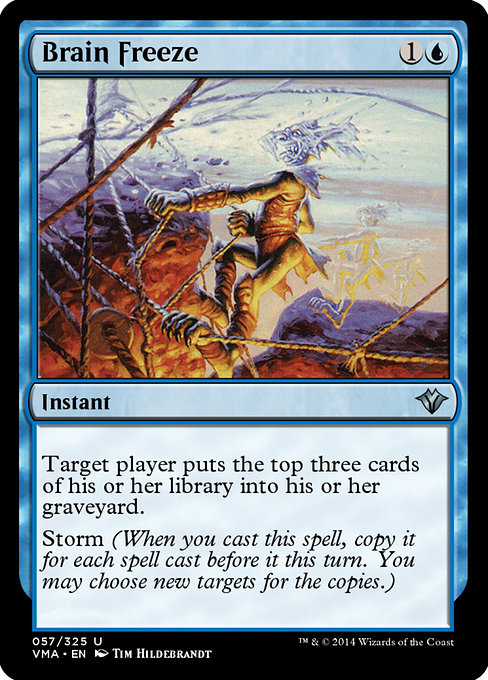

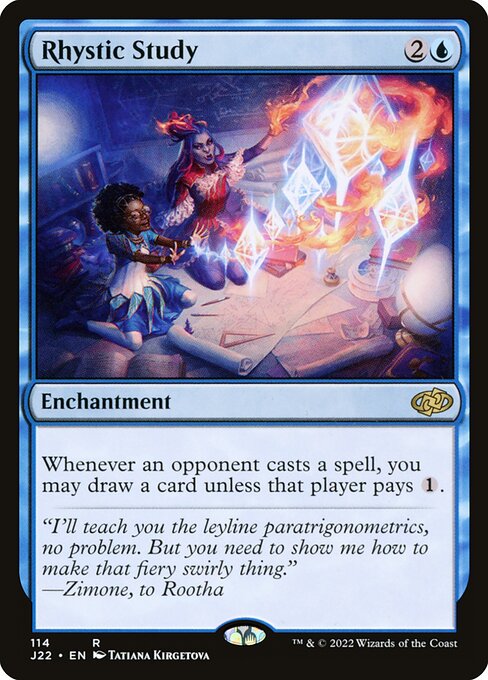
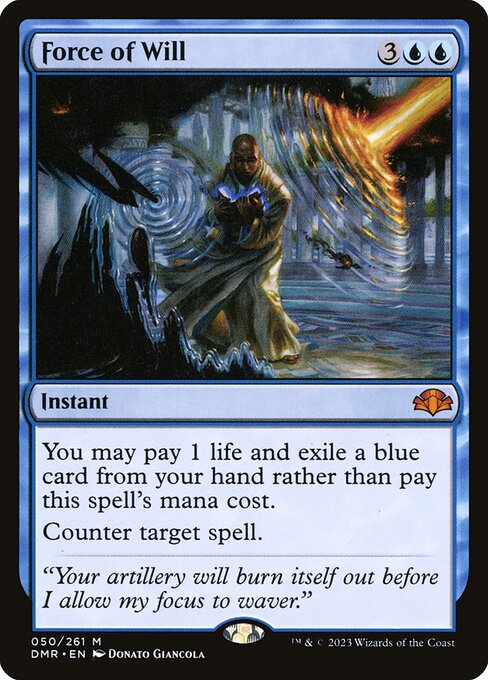
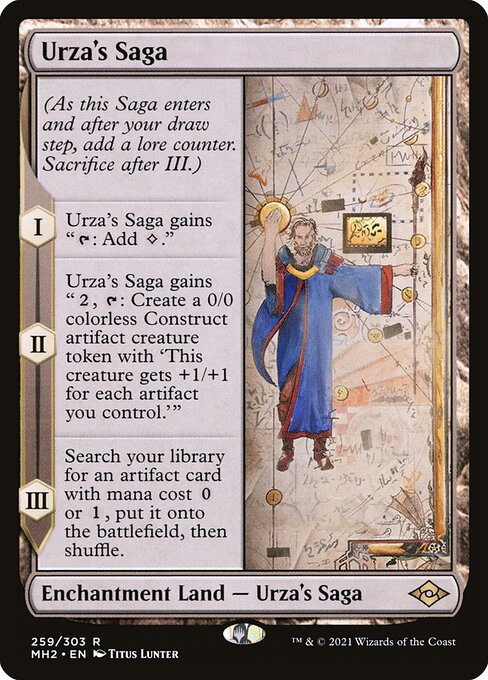
Twelve of those are on the Game Changers list: Ancient Tomb, Chrome Mox, Cyclonic Rift, Enlightened Tutor, Fierce Guardianship, Force of Will, Gamble, Jeska's Will, Mana Vault, Mystical Tutor, Rhystic Study, and Smothering Tithe. The win condition also changes. Every cheap spell still makes mana-producing tokens, but now Brain Freeze is in the list, and a long chain of free and one-mana spells with Vraska refunding the mana ends in a storm count that mills a player out. Hullbreaker Horror is the other finisher. Uncounterable, and every spell you cast bounces something. Urza's Saga fetches Sol Ring or a Mox and makes Constructs sized to your artifact count, and Professional Face-Breaker turns the Treasures you're not spending into extra cards.
What this list gives up is resilience to a single removal spell on Vraska. The Bracket 3 deck keeps pinging through Warleader's Call without her; this one is leaning on the commander and four free counters to keep her there.
Vraska, Soul of Stone Bracket 4 (EDH)
- 1 Arcane Signet
- 1 Chrome Mox
- 1 Fellwar Stone
- 1 Lotus Petal
- 1 Mana Vault
- 1 Sensei's Divining Top
- 1 Sol Ring
- 1 Talisman of Conviction
- 1 Talisman of Creativity
- 1 Talisman of Progress
- 1 Lightning Greaves
- 1 Skullclamp
- 1 Wizard's Staff
- 1 Academy Manufactor
- 1 Craterclaw Colossus
- 1 Cyberdrive Awakener
- 1 Esper Sentinel
- 1 Ancient Den
- 1 Great Furnace
- 1 Seat of the Synod
- 3 Island
- 3 Mountain
- 3 Plains
- 1 Storm-Kiln Artist
- 1 Xorn
- 1 Hexing Squelcher
- 1 Reckless Fireweaver
- 1 Professional Face-Breaker
- 1 Harmonic Prodigy
- 1 Hullbreaker Horror
- 1 Fateful Discovery
- 1 Gleaming Splendor
- 1 Impact Tremors
- 1 Mystic Remora
- 1 Rhystic Study
- 1 Roar of Resistance
- 1 Smothering Tithe
- 1 Whirlwind of Thought
- 1 Urza's Saga
- 1 An Offer You Can't Refuse
- 1 Brain Freeze
- 1 Brainstorm
- 1 Counterspell
- 1 Cyclonic Rift
- 1 Deflecting Swat
- 1 Dispatch
- 1 Enlightened Tutor
- 1 Fierce Guardianship
- 1 Force of Negation
- 1 Force of Will
- 1 Frantic Search
- 1 Mystical Tutor
- 1 Path to Exile
- 1 Silence
- 1 Swan Song
- 1 Swords to Plowshares
- 1 Sink into Stupor // Soporific Springs
- 1 Ancient Tomb
- 1 Arid Mesa
- 1 Battlefield Forge
- 1 City of Brass
- 1 Command Tower
- 1 Exotic Orchard
- 1 Flooded Strand
- 1 Glacial Fortress
- 1 Polluted Delta
- 1 Scalding Tarn
- 1 Sea of Clouds
- 1 Shivan Reef
- 1 Spectator Seating
- 1 Sulfur Falls
- 1 Training Center
- 1 Steam Vents
- 1 Raugrin Triome
- 1 Sacred Foundry
- 1 Hallowed Fountain
- 1 Mox Amber
- 1 Mox Opal
- 1 Alibou, Ancient Witness
- 1 Urza, Lord High Artificer
- 1 Mister Fantastic, Reed Richards
- 1 Samut, Hazoret's Champion
- 1 Ragavan, Nimble Pilferer
- 1 Geist of Saint Thalia
- 1 Otawara, Soaring City
- 1 Tezzeret, Cruel Captain
- 1 Gamble
- 1 Gitaxian Probe
- 1 Jeska's Will
- 1 Ponder
- 1 Preordain
- 1 Sevinne's Reclamation
- 1 Strike It Rich
- 1 Vraska, Soul of Stone
Which Vraska Build Should You Bring to Your Pod?
Pick by what your table tolerates, not by which list looks strongest on paper. The Bracket 2 deck is the one that makes the other three players laugh. A 5/5 Dragon off a Brainstorm is a story, and losing to it doesn't feel bad. The Bracket 3 deck is the one that makes them sigh, because the damage arrives in ones and twos from a dozen triggers and nobody can point at the card that killed them. The Bracket 4 deck is the one you bring when someone else at the table has already shown you Rhystic Study.
The shared core is cheap enough that the Bracket 2 list is a reasonable starting point to grow from, and the two higher lists are mostly mana base and interaction upgrades layered on the same spells. We've written up the same bracket ladder for Kwia Vigorbloom and Tam, the Possibility, and Vraska's place among the set's legends is in our ranking of the best new Reality Fracture commanders.
None of the three has hit a table in our pod yet, so the paragraphs above are what the lists promise, not what they've delivered. Once they've played, the record will be on each deck's page. That's what recording a game does. If you build your own version, paste it into the Combo Finder before the first game; a deck that makes this many Treasures tends to complete combos its builder never noticed, and the full Reality Fracture card list has a few more Treasure payoffs worth a look.


Comments
Join the conversation.