

The Best New Commanders in The Hobbit, Ranked

Four of The Hobbit's new legends are worth building a whole deck around: Thranduil, the Elvenking, The Great Goblin, Beorn the Fierce, and Bard, King of Dale. Each one is a deck that didn't exist before August, each one holds up when the other three players decide it's the problem, and two of the four cost less than a dollar.


How We Ranked The Hobbit's New Commanders
Three questions, in order: is this a genuinely new deck or a reskin of one you already own? Does the plan survive being the target at a four-player table? And what does the regular printing cost? Build counts came last. When we checked the adoption numbers ten days after release, Thranduil had nearly twice the decks of anyone else in the set, but popularity measures excitement, not whether the deck works.
Every card below is on the Hobbit set page, and the release, product, and collector details are in our Hobbit release guide.
1. Thranduil, the Elvenking: Your Graveyard Is His Text Box
For 


 you get a 5/6 Elf Noble with two lines: Thranduil has all activated abilities of all Elf cards in your graveyard, and whenever another legendary Elf enters under your control, you draw two cards, then discard one.
The second ability feeds the first. Every legendary Elf you cast is a loot, and every Elf you discard adds a line of text to your commander. The official ruling is what makes it absurd: if an ability in the graveyard names the card it's printed on, Thranduil's copy names Thranduil instead. So Marwyn, the Nurturer's tap-for-green-equal-to-power becomes tap for five on a five-power body, before a single counter.
Then it compounds. Fauna Shaman in the yard makes Thranduil a repeatable creature tutor whose cost is discarding another creature, which is exactly what this deck wants to do anyway. Elvish Piper puts whatever he found onto the battlefield for . Quirion Ranger untaps him once a turn. Lathril, Blade of the Elves hands him a ten-Elf drain. Buried Alive puts three of these in the graveyard on turn three.
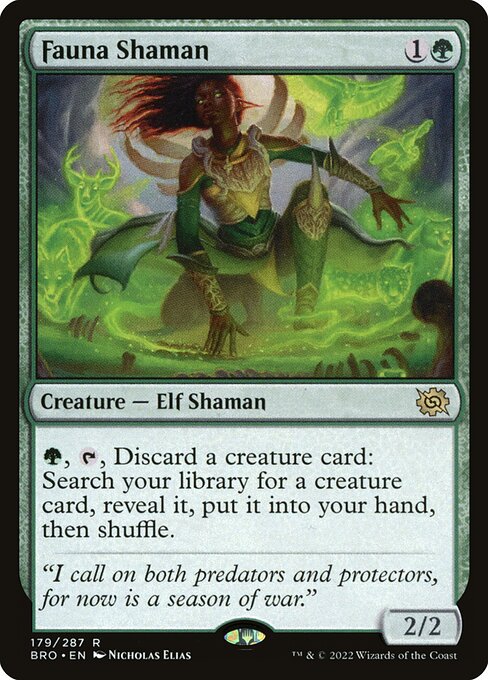
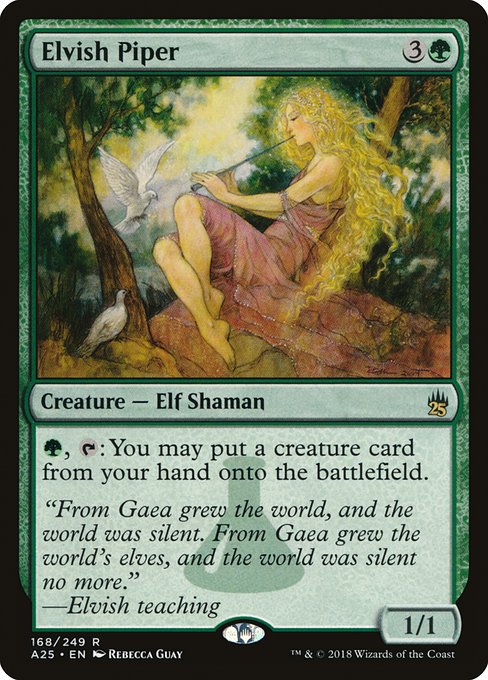
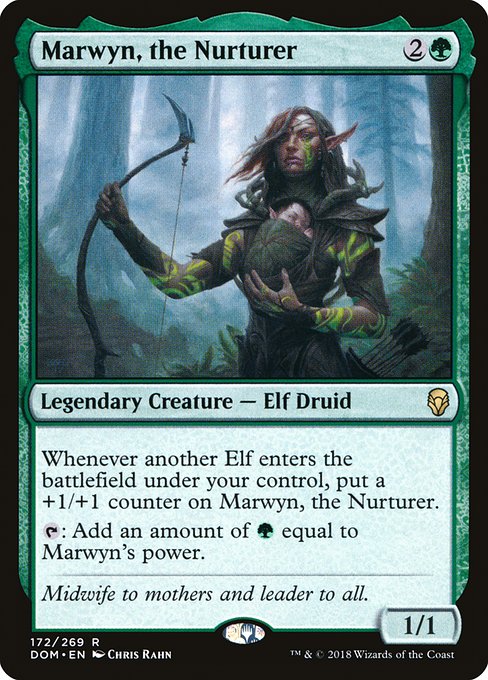
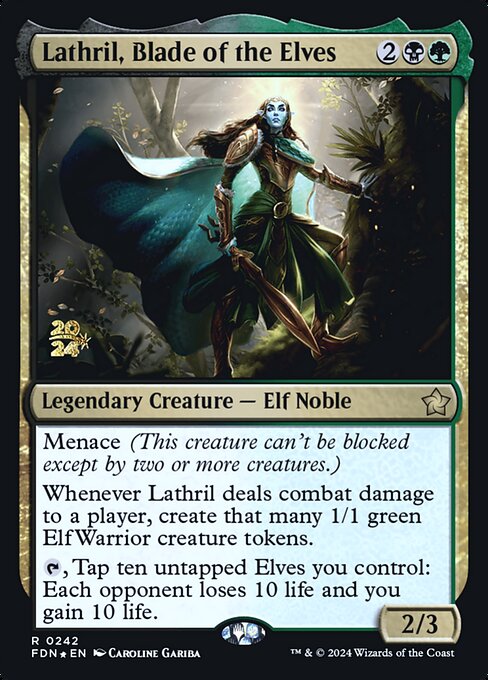
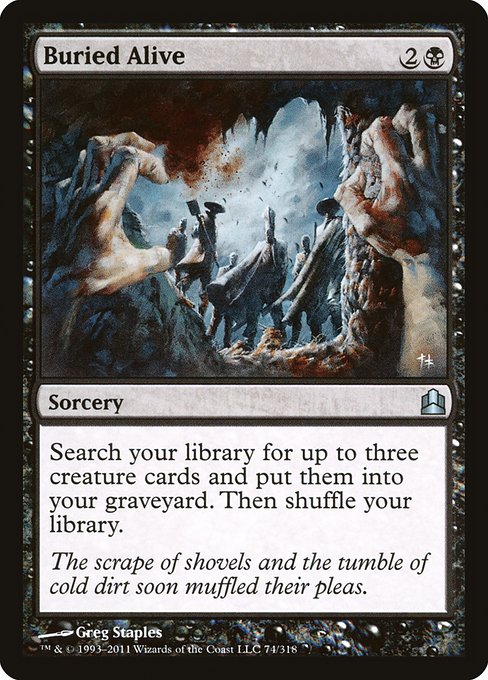
The pod-level catch: the graveyard is a public zone and the whole table can read it. The moment Fauna Shaman and Marwyn hit the yard, Thranduil eats the first removal spell, and one Bojuka Bog turns him back into a vanilla 5/6. Build with protection for the commander and a plan for graveyard hate. This is also the deck to paste into our Combo Finder before you sleeve it. Activated abilities plus untap effects are where infinite loops hide, and a "fair Elf deck" tends to be carrying a few without knowing it.
The regular printing is a rare and sits under a dollar.
2. The Great Goblin: The Three-Mana Engine Everyone Misreads

 for a 3/2 Goblin Noble with two triggers. Whenever you put one or more counters on a Goblin, Orc, or Army you control, he deals 2 damage to target opponent. Whenever another Goblin, Orc, or Army you control dies, exile the top card of your library, and you may play it until the end of your next turn.
Read the first ability slowly: target opponent, not each opponent. A lot of the early hype quietly upgrades it. In a four-player pod that's 2 damage aimed at one player per counter event, a way to finish whoever is lowest, not a table-wide burn engine. The ability that carries the deck is the second one. Goblins die constantly, and every death is a card.
Amass is the counter enabler. Orcish Bowmasters amasses on entry and whenever an opponent draws an extra card, and every amass is a counter placement, so every one is 2 damage on top of the ping. Dreadhorde Invasion amasses every upkeep. And Great Goblin, Foul-Hearted from The Hobbit Eternal amasses Goblins 3 whenever it enters or attacks. It has a different card name, so both Great Goblins can be on the battlefield at once.
On the death side, Skirk Prospector turns every Goblin into mana plus a card. Skullclamp on a 1/1 token draws two and impulses a third. Krenko, Tin Street Kingpin puts a counter on himself when he attacks which is 2 damage and makes the tokens that die later.
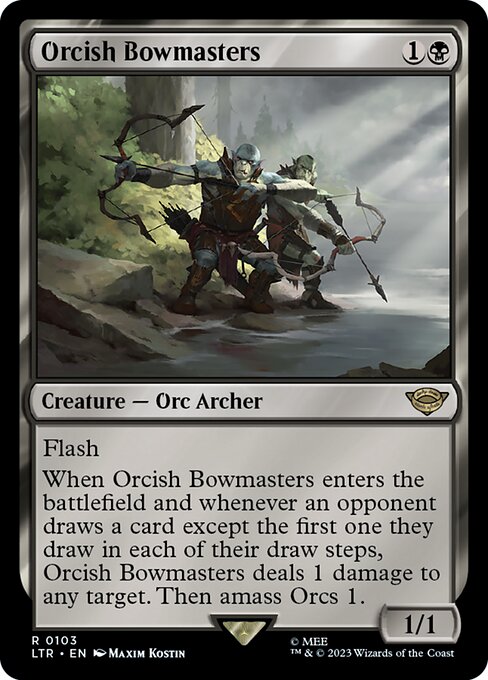


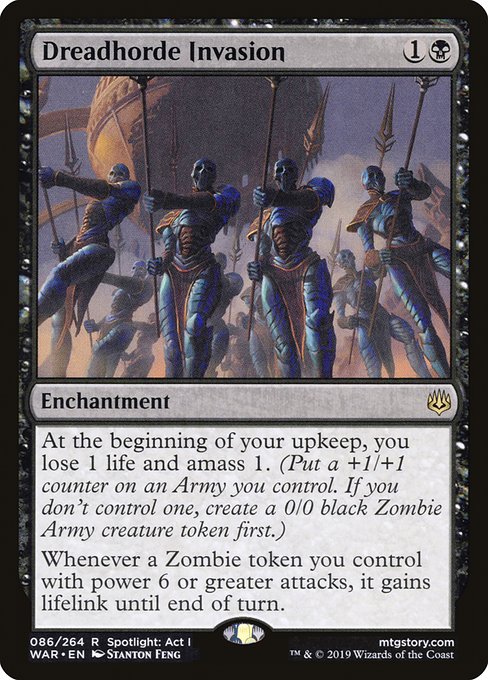
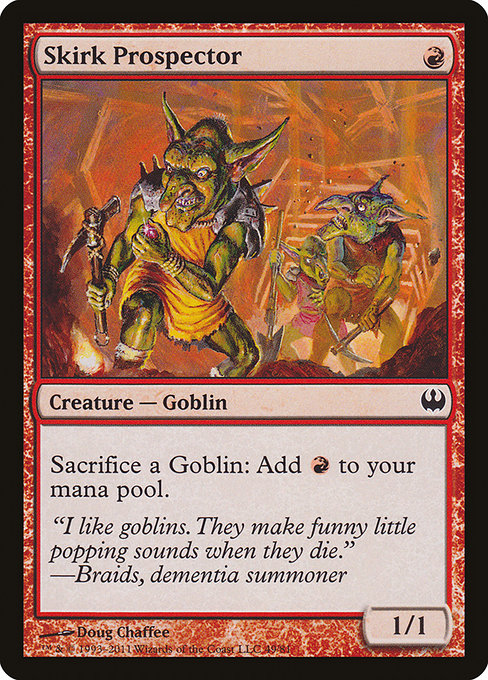
The regular printing is under a dollar, and Goblin staples have never been expensive. Bowmasters is the one pricey include and the first cut for a budget list.
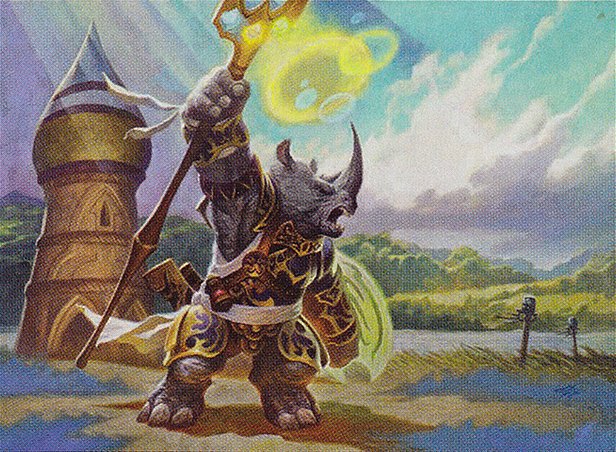
3. Beorn the Fierce: Repeatable Card Draw on a 6/6 Trampler
 for a 6/6 with trample. Other Bears you control get +2/+2. At the beginning of combat on your turn, put a trample counter on up to one target creature you control and it becomes a Bear in addition to its other types. Then, if you control three or more Bears, draw two cards.
The type change is permanent. The official ruling says it doesn't wear off at cleanup or when Beorn leaves, and ends on a bear pun. So Beorn isn't really a Bear typal commander. He's a commander that converts your deck into Bears one creature per turn and pays you two cards every combat once three are standing. Beorn counts as one. Beorn, one other Bear, and the creature you just converted is three.
That gives you two honest builds. The real-Bear list runs Ayula, Queen Among Bears for counters or a fight every time a Bear enters, Mother Bear and Ayula's Influence for token Bears, all wearing +2/+2. The big-green list starts with nothing that's a Bear at all. Every fatty gets trample, +2/+2, and Bear-hood the combat after it lands. Goreclaw, Terror of Qal Sisma discounts the fatties and belongs in both versions.
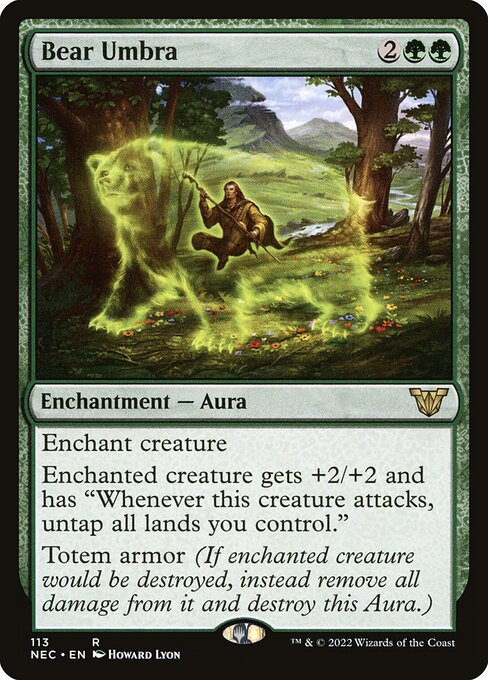
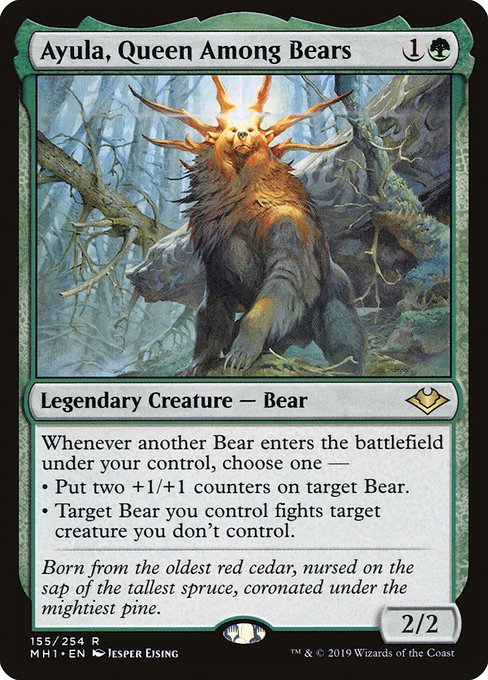
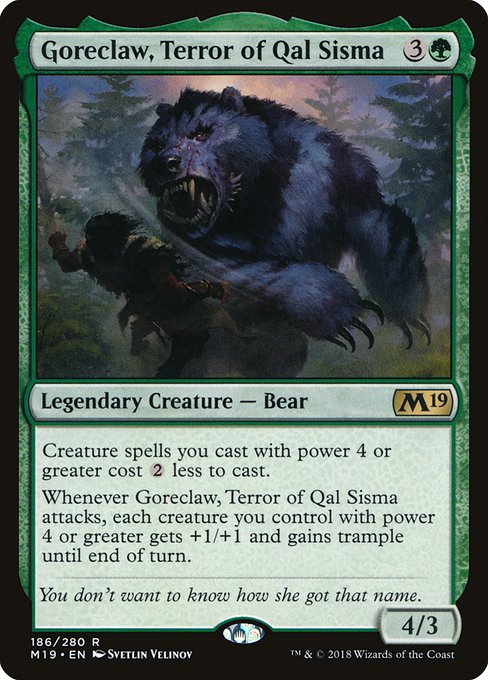
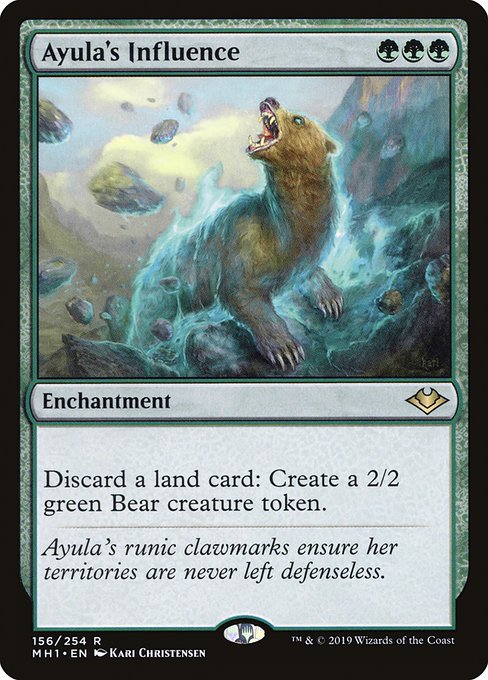
The pod-level detail is the timing. The draw happens at the beginning of combat, before you declare attackers, so you refill your hand and then decide whether swinging into three opponents is a good idea. Repeatable draw on a mono-green commander is rare, and this one doesn't ask you to attack first.
The regular printing runs about $7.
4. Bard, King of Dale: Two Doublers, One Six-Mana Body

 for a 3/5 with reach and vigilance. If you would draw a card, other than the first one in each of your draw steps, you draw two instead. If one or more tokens would be created under your control, twice that many are created instead.
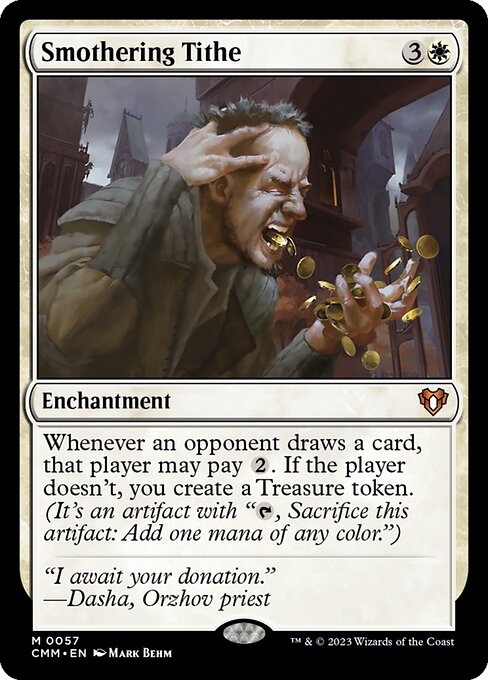
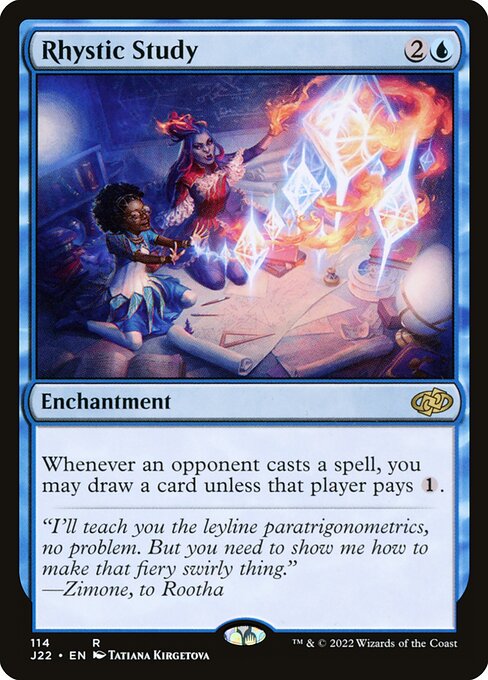
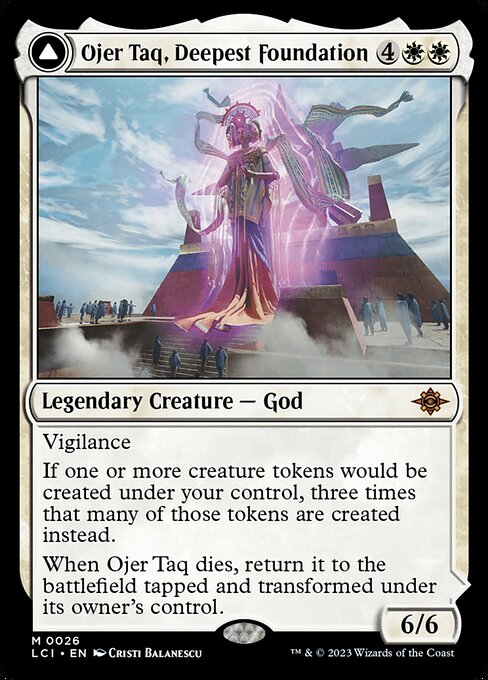
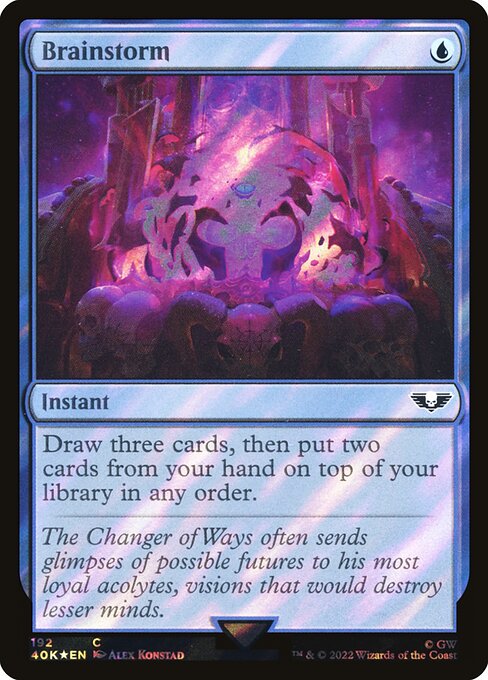
Every draw spell you own reads twice as well. Brainstorm draws six, and every token maker doubles, including the Treasure from Smothering Tithe. Rhystic Study draws two per unpaid tax. Ojer Taq, Deepest Foundation triples creature tokens, Bard doubles them, and the two multiply: one token becomes six.
Why fourth? Six mana, and both abilities are static rather than triggered, so nothing happens the turn he resolves unless you have a draw or token spell ready to follow him. At a four-player table he's a 3/5 wearing a "remove me" sign, and the deck has to function for five turns without him. Sequence him with mana up for instant-speed draw so he's paid for before the table untaps. He's as good in the 99 of an existing Azorius deck as he is in the command zone, which is part of why he lands here rather than higher.
The regular printing runs about $6.
Why Smaug and Bilbo Didn't Make the List
Smaug the Magnificent is the face of the set and the card everyone wanted from packs, but as a commander he needs a full untap cycle with a hoard to be frightening, and a four-player table rarely gives him one. Bilbo, Thief in the Night is a legitimately powerful two-drop whose engine runs off attacking. A two-mana body attacking into three opponents is the hardest thing to do in Commander. He may prove a better competitive piece than a casual commander, which is a question for a cEDH review, not this list.
What Happens to These Four Commanders Next
We're building all four in the deck builder. A Bracket 2, Bracket 3, and Bracket 4 list for each, and running every list through the bracket calculator so the label is verified rather than asserted. Each commander gets its own brew guide over the next few weeks, and the links will land here as they publish. One of the four is getting sleeved up and played in our pod with every game recorded, so in a couple of months there's a write-up of how it actually did instead of how it reads on the card. If you want a head start, we sketched two Hobbit brews back at spoiler time.


Comments
Join the conversation.