

The Best New Commanders in Reality Fracture, Ranked

The best new commander in Reality Fracture is Kwia Vigorbloom, a six-mana sphinx that the early rankings we've seen put in the back half of their lists. The most popular one, Ingris Stingerquill, is second here, and it comes with a warning about what it does to your seat at the table.
How We Ranked the Reality Fracture Commanders
Reality Fracture is dense with legends: five sphinxes who each founded a school of Hexhaven Academy, color-shifted "echo" versions of planeswalkers you already know, and a stack of new Echoverse legends inside the Multiverse Reforged precon. Every one of them is on the Reality Fracture set page. We read each with one question: what is this text worth against three opponents instead of one?
That question sorts the set quickly. "Each opponent" is a multiplier. "Each turn" and "each end step" mean the ability fires on other people's turns, which in a pod is three-quarters of the game. And a body that can't survive being the table's problem is worth less than its text, because in a four-player game every commander eventually becomes the table's problem.


1. Kwia Vigorbloom Makes a Lotus on Every Turn
Kwia Vigorbloom costs 

 for a 6/6 with flying, vigilance, lifelink and ward
  , and whenever you gain life it creates a Lotus token that sacrifices for three mana of any one color. The clause everyone reads as the drawback, "triggers only once each turn," is the multiplayer engine, because each turn means every player's turn. Put a Soul Warden beside it and three opponents casting creatures hand you a Lotus on each of their turns. That is up to twelve mana per rotation from a commander that also swings for six lifelink in the air and gains the life for its own first trigger.
Six mana is a real cost, and at a cEDH-leaning table like ours it is a turn too slow. At brackets two through four it is the strongest thing in the set. The infinite lines exist too; paste a list into the Combo Finder rather than taking our word for it.
2. Ingris Stingerquill Hits Everyone Six at a Time
Ingris Stingerquill is 
 for a 1/4 flier, and whenever a creature you control attacks, that creature deals 2 damage to each opponent. In a duel that is a two-point bonus per swing. At a four-player table it is 6 damage per attacker before blockers are even declared, and four attackers put every opponent on a five-turn clock without a single point of combat damage landing. The
  activation makes a 2/2 Cadet and gives the team haste, and Samut, Hazoret's Champion from the same set gives everything haste for
  so you can spend that mana on more bodies. It is already the set's most-built commander on EDHREC.
The warning: nothing turns three opponents into one team faster than a commander that hurts all of them at once. Ingris decks win by turn seven or get dismantled by turn five, and the difference is usually whether the pilot read the archenemy problem before sitting down. Rank it first if your pod doesn't coordinate. Ours does.
3. Niv-Mizzet, Ghost Counsel Sells Life for Cards
Niv-Mizzet, Ghost Counsel is the Orzhov legend from the Commander deck, at : flying, and whenever you gain life you may pay that much life to draw that many cards. Tap him and each opponent loses 1 while you gain 1, which at a full table is three damage and a card for no mana. The four-player reading is about the exchange rate. Life is the cheapest resource in a pod, because the table splits its attacks three ways and the lifegain player is the last one anyone bothers with, so a one-for-one swap of life for cards is a bargain here that it wouldn't be in a duel.
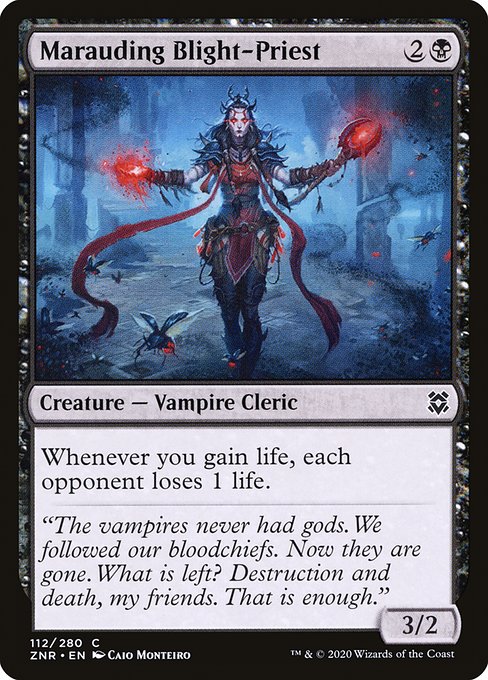
The in-set support is cheap. Ajani Resolute gains a life every turn with its zero ability and adds loyalty whenever you gain, and Marauding Blight-Priest turns every Niv tap into two life lost per opponent. This is the precon card we would pull into its own deck first.


4. Samut, Tyrant of Naktamun Silences the Whole Table
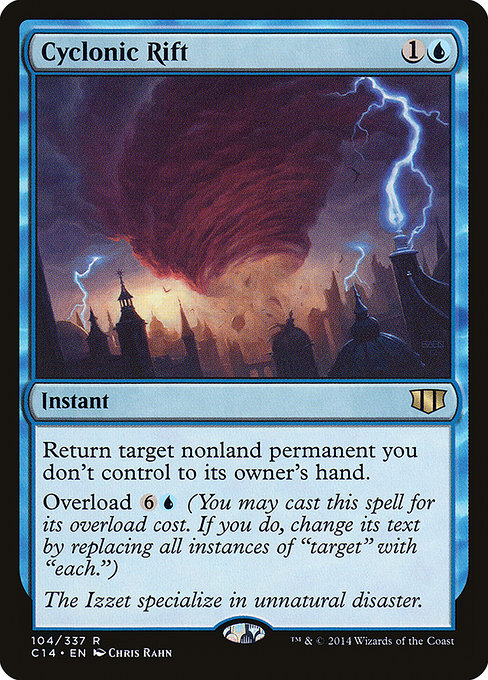
Samut, Tyrant of Naktamun is a 2/1 for  whose only text is that your instants and sorceries have split second, meaning nobody can cast spells or activate abilities other than mana abilities while one is on the stack. Read that at a four-player table: three opponents, three hands of interaction, none of it usable while your tutor, your wheel, or your Cyclonic Rift resolves. In a casual pod that holds one counterspell between the three of them, Samut is a 2/1. In a pod that holds six, she is the most important card in the set, and she is the one main-set legend our cEDH-leaning table would build tomorrow.
Two honest limits. Split second locks you out too, so no responding to your own spell and no stacking two of them. It also does nothing for permanents, so a combo creature still eats instant-speed removal in the window between your spells, and a 2/1 that has to be on the battlefield will be answered. Budget the commander tax into the plan.

5. The Ur-Sphinx Casts a Free Spell from Every Library
The Ur-Sphinx is the precon's nine-mana 10/10 at  , and its eminence ability works from the command zone: other Sphinx spells you cast cost less before you ever pay for the commander. The attack trigger is the multiplayer part. Whenever one or more Sphinxes you control attack, each player mills that many cards, and you may cast one milled card per player without paying its mana cost. Three attacking Sphinxes at a four-player table is twelve cards milled and up to four free spells, and the ones you cast from opponents' graveyards ignore your color identity entirely.
The pod cost nobody prices in: you are milling three opponents every combat, and one of them may be the reanimator deck. Sphinx's Approach is in the set, legal in any number, and eventually cheats a Sphinx onto the battlefield, so the deck has more gas than the tribe's thin card pool suggests.


6. Vraska, Soul of Stone Attacks and Still Pays for the Next Spell
Vraska, Soul of Stone is for a 3/3 that creates a 1/1 Sculpture Treasure artifact creature every time you cast a noncreature spell, and gives artifact creatures vigilance. Read those two lines together: from the turn after it's made, the token attacks, stays untapped, and then sacrifices for one mana of any color after combat to pay for the spell that makes the next one. Bodies, ramp and a go-wide payoff from a three-mana commander, in colors full of one-mana cantrips.
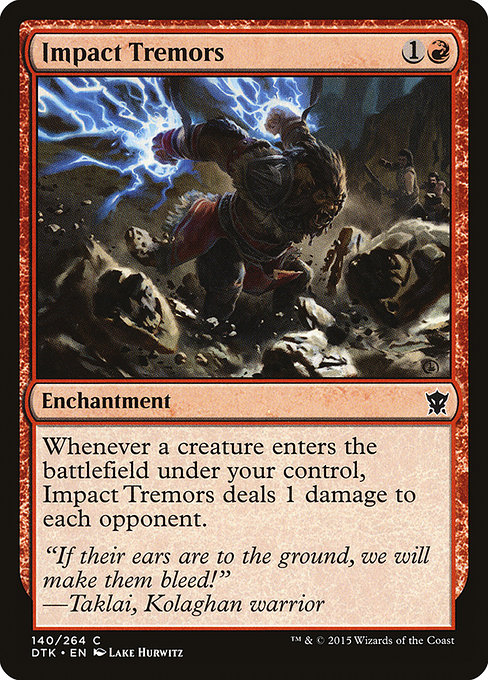
The in-set line is Draconic Visitor. It replaces any artifact tokens you would create with 5/5 red Dragons with flying, and a Sculpture Treasure is an artifact token, so with the Visitor out every cantrip is a 5/5 flier instead. Impact Tremors is the more reliable four-player payoff: three damage per token instead of one.


7. Lyra, Tolarian Archangel Turns Card Draw into Angels
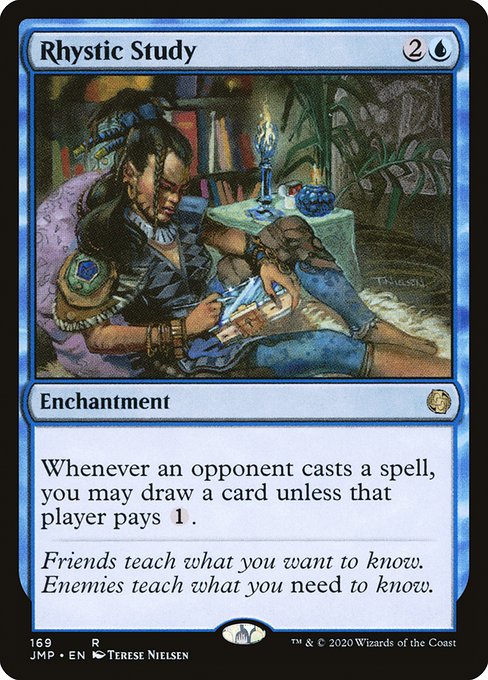
Lyra, Tolarian Archangel is the blue echo of Lyra: for a 3/3 flier that creates a 3/3 blue Angel with flying at the beginning of each end step if you've drawn three or more cards that turn. "Each end step" is the multiplayer clause. On your own turn, the draw step plus two cantrips already gets there. On a busy opponent's turn, a Rhystic Study that nobody pays for gets there as well, which means Angels on other people's end steps from a three-mana commander. Five more mana gives her draw-two on combat damage, so once she connects the Angels feed themselves.
Mono-blue commanders are usually value engines that never close a game. This one makes evasive 3/3s for free while it draws, which is the closing plan built in.

8. Denzilore Fatehold Grows the Team at Flash Speed
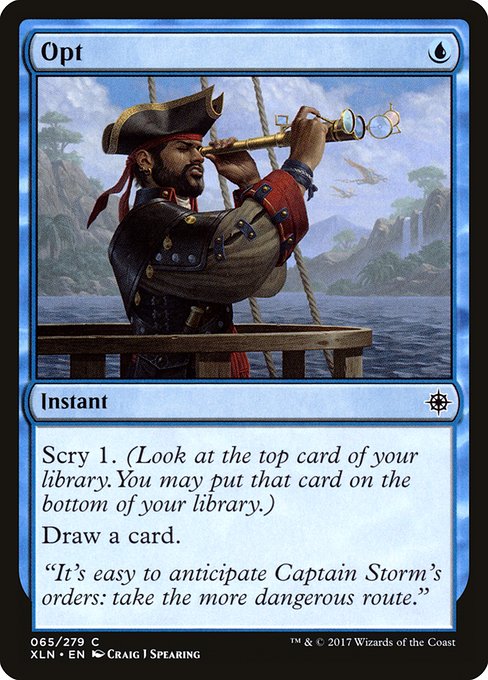
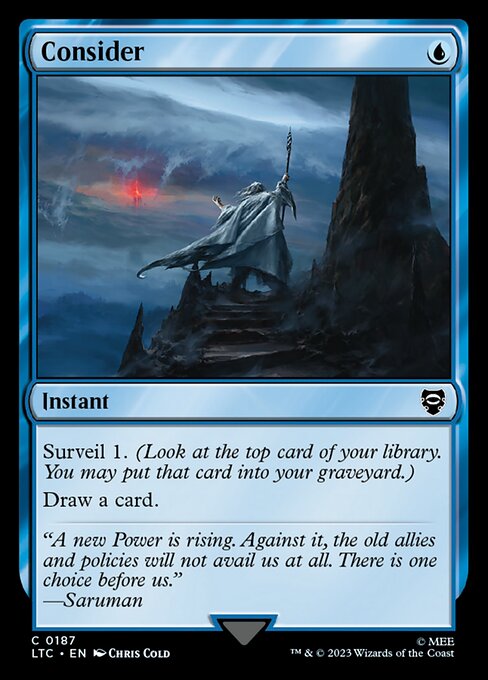
Denzilore Fatehold is for a 3/4 flier with flash, and whenever you scry or surveil, every creature you control gets a +1/+1 counter. Each one-mana cantrip in the color, Opt and Consider included, becomes an anthem that stays. The flash matters more at four players than at two: cast it at the end of the turn before yours and the entire table's sorcery-speed removal is a full rotation away while you untap and start scrying.
The in-set engine is Chandra, Chill of Compliance, a three-mana blue planeswalker whose first plus ability surveils every turn, which reads as "your team grows every turn" with Denzilore out. Azorius counters has wanted a commander this cheap for a long time.

9. Uldaros Theorix Recasts Your Graveyard for Free
Uldaros Theorix is for a 5/5 flier. When it enters after being cast, you exile up to one nonland card of each type from your graveyard, copy them, and cast copies with total mana value six or less without paying for them. That is a six-mana refund on top of the body, and because the trigger checks that you cast it, every commander-tax recast fires it again.
Pod reading: this is the value commander for the player who has been passing with mana up while the rest of the table fights, because a full graveyard is what it wants. Liliana the Repentant mills two whenever another creature or planeswalker of yours enters and is in the same set. At a table that wins on combo turns, six mana of value on turn six is a turn too late, and we'd keep it to bracket three.

10. Aerid Konstrari Leaves a Mana Rock Behind
Aerid Konstrari is for a 5/4 flier that creates a Heartwood token, a red-green artifact that taps for or , both when it enters and when it dies. That death clause is the four-player line. Three opponents means three times the removal pointed at your commander, and a commander that hands you a mana rock every time it dies makes killing it a bad trade. The activation makes another Heartwood and pumps Aerid by the number of artifacts you control, so with ten artifacts out it swings for fifteen.
Draconic Visitor is here too: Heartwoods are artifact tokens, so the Visitor turns each of Aerid's entries and deaths into a 5/5 flying Dragon instead, at the cost of the mana. Gruul artifacts hasn't had a commander worth the archetype before this one.
Honorable Mentions: Cheap Reality Fracture Commanders Worth Building


- Gideon the Oathless (, a 3/3 with ward that costs a discard) pings an opponent whenever their creature enters or they activate a loyalty ability. Three opponents' worth of creatures is a lot of pings, and the token deck across the table pays for every one.
- Geist of Saint Thalia () is a two-mana flier that makes your noncreature spells cost less. It's an uncommon, it's a storm commander, and it's the other card on this page our cEDH table would try.
- Liliana the Faultless () gains a life whenever another creature or planeswalker you control enters and grants hexproof for and a discard, a one-mana commander for a deck full of cheap legends. Her black echo's one-shot exhaust reanimation is explained in our mechanics guide.
- Pia, Aether Ascetic () is an uncommon that tutors an enchantment to hand when it enters, repeatable through commander tax. If you want to know what to tutor, the enchantress commanders post already ranks the payoffs.
- Karn, Argent Defender costs and stops artifacts and creatures from triggering abilities when they enter: a Torpor Orb in the command zone, for the pod that has had enough of enters-the-battlefield value.
Where Are Jace and Nissa?
Jace, Multiverse Architect and Nissa, Leyline Tamer are the two commanders of Multiverse Reforged, and both would sit in this top ten if we hadn't already given them a post of their own. Jace's tax reads well at four players, with three opponents each deciding at their combat whether to pay to attack him, and his −3 is a Polymorph in the command zone. Our precon review covers how the deck actually plays at a four-player table.


Which Reality Fracture Commander Should You Build First?
Build Kwia if your pod is casual and you like winning through value. Build Ingris if your pod doesn't gang up. Build Samut if your pod does gang up and you want to win anyway. Whichever you pick, run the list through the bracket calculator before game night so the Rule 0 conversation is about what the deck actually is, and record the games: the first few weeks with a new commander are exactly when the win rate tells you whether the build works. Prerelease runs September 25 through October 1 with the set out on October 2, and everything else confirmed about it is in our Reality Fracture release guide.


Comments
Join the conversation.