

Betor, Ancestor's Voice Commander Deck: A Bracket 3 Abzan Build That Pays Life on Purpose

This Betor, Ancestor's Voice commander deck is a bracket 3 Abzan (white, black and green) build for a commander who wants you to do two opposite things every turn. Bracket 3 is the Upgraded tier of the 1 to 5 Commander power scale. Betor is a five-mana Spirit Dragon with flying and lifelink from the Abzan Armor precon (preconstructed deck) in Tarkir: Dragonstorm Commander, where Felothar the Steadfast is the face commander and Betor is one of the legendary creatures in the 99. At the beginning of your end step he puts +1/+1 counters on another creature equal to the life you gained this turn, and returns a creature card from your graveyard whose mana value is no more than the life you lost this turn. The average Betor list handles the gaining and the losing well and treats the graveyard half as a bonus. Ours makes it an engine, with a sacrifice outlet (a card that lets you sacrifice your own creatures at will), a way to stock the graveyard, and cheap payoffs that turn every point of life gained into life loss for opponents or counters for you. The full list is embedded below with its bracket 3 audit.
Read the trigger twice
Here is the full text of Betor's ability: "At the beginning of your end step, put a number of +1/+1 counters on up to one other target creature you control equal to the amount of life you gained this turn. Return up to one target creature card with mana value less than or equal to the amount of life you lost this turn from your graveyard to the battlefield." Lifelink means damage Betor deals also gains you that much life, so a Betor attack feeds his own first clause.
Three rules details decide how good this deck is in your hands. First, the counters go on another creature, never on Betor. Second, the size limit on the return clause is part of the targeting, so the card has to be in your graveyard and you have to have already lost enough life when the trigger goes on the stack at the start of your end step. Paying life in response does not unlock a bigger target. Third, the counter clause is only measured when the trigger resolves, so life you gain in response does count. Lose life during your turn, gain it back at the end step, and both halves fire.
Losing life is the easy half
From turn three on, this deck loses life almost by accident. The three Talismans (Talisman of Hierarchy, Talisman of Resilience and Talisman of Unity) deal 1 damage to you whenever they tap for a color, and damage counts as life loss. Phyrexian Arena and Dark Tutelage each cost life on your upkeep for a card. Ripples of Undeath mills three in your first main phase (mill means putting cards from the top of your library into your graveyard), and for  and 3 life you keep one of them. The other two are often creatures that Betor can return that same end step.
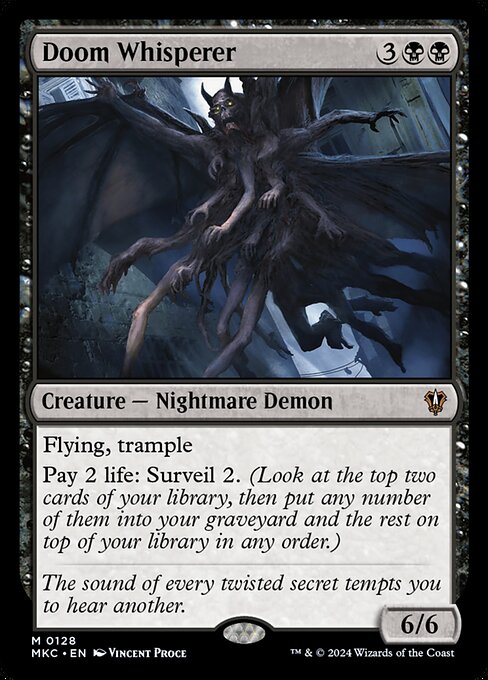
When you need a precise number, you have dials. Doom Whisperer surveils two for 2 life as often as you like (surveil means look at the top cards and choose which of them go to the graveyard), which sets the loss and stocks the graveyard in one action. Lunar Convocation draws for  and 2 life. Staff of Compleation pays 1 to 4 life for its modes. K'rrik, Son of Yawgmoth lets you pay 2 life for every in a cost, so each black spell is a life payment of your choosing. Removal pays too: Anguished Unmaking costs 3 life and Infernal Grasp 2, and Feed the Swarm costs the mana value of what it kills. Bolas's Citadel is the extreme: cast spells from the top of your library by paying their mana value in life instead of mana.
The biggest single payment is Beledros Witherbloom: pay 10 life once a turn to untap all your lands. Do it in your main phase and Betor can return anything in your graveyard with mana value 10 or less at the end step, which is every creature in the deck.
Gaining it back, and getting paid for it
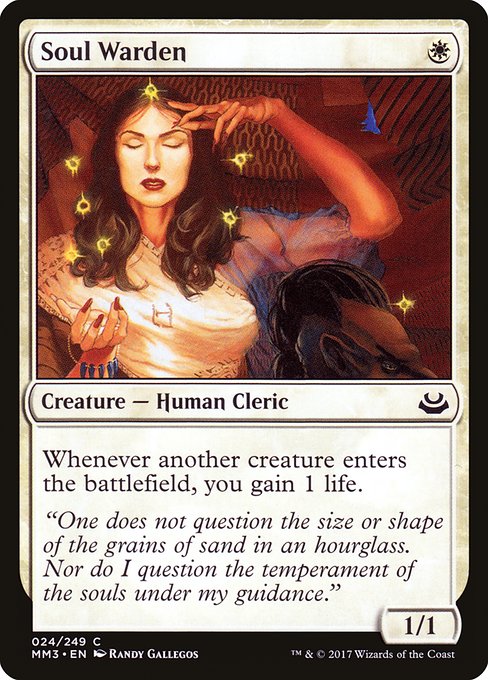
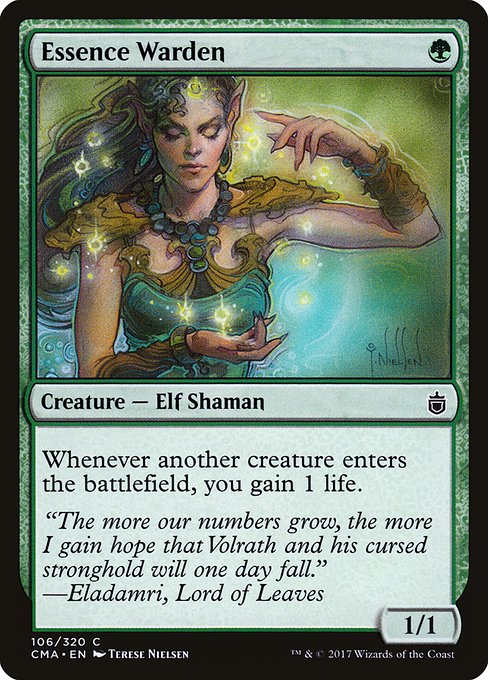

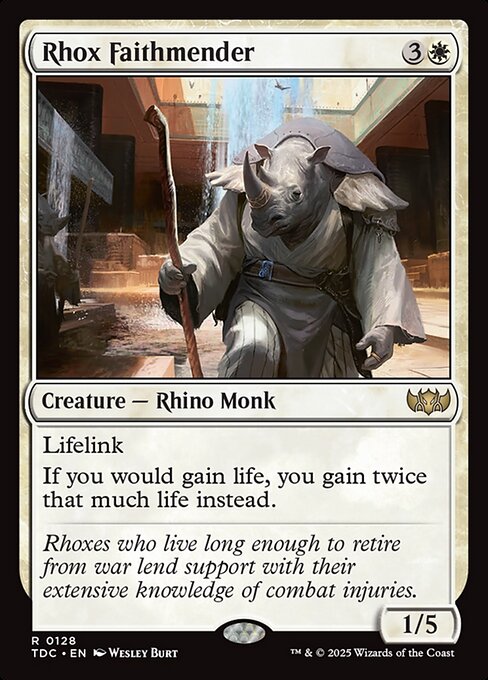
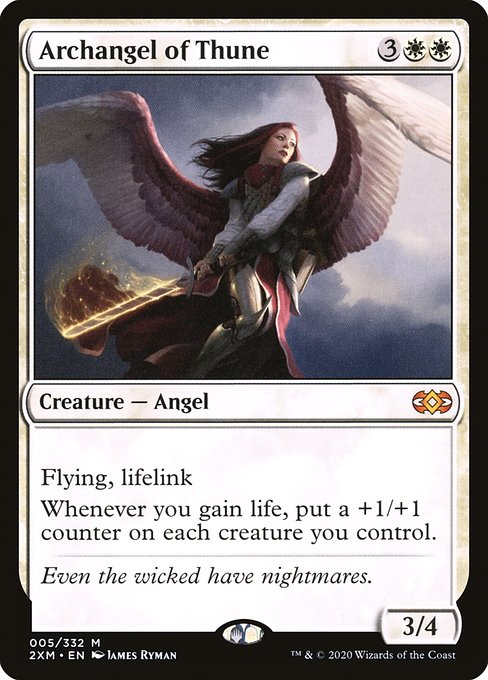

Nyx-Fleece Ram gains 1 life on each of your upkeeps, which sounds small and is actually the card that guarantees "you gained life this turn" before the end step for Lunar Convocation, Lathiel, the Bounteous Dawn and Moseo, Vein's New Dean, all of which check that condition as the end step begins. Indulging Patrician wants 3 or more life, so it needs a lifelink hit or a few Warden triggers on top of the Ram. Soul Warden, Essence Warden and Elas il-Kor, Sadistic Pilgrim gain 1 whenever a creature enters, including the one Betor returns at the end step and the Pest that Beledros Witherbloom makes on every upkeep, yours and theirs. Lifelink does the heavy lifting in combat: Betor, Indulging Patrician, Scheming Silvertongue and Archangel of Thune have it, Envoy of the Ancestors gives it to every creature with a counter on it, and Ikra Shidiqi, the Usurper gains you the toughness of any creature of yours that connects. Rhox Faithmender doubles all of it.
Each gain then pays out several ways at once. Vito, Thorn of the Dusk Rose and Enduring Tenacity make a target opponent lose that much life, and Dina, Soul Steeper takes 1 from each opponent per gain. Heliod, Sun-Crowned puts a counter on a creature or enchantment you control, Archangel of Thune puts one on every creature you control, and Trelasarra, Moon Dancer grows and scries (look at the top card of your library and keep it there or put it on the bottom). Exemplar of Light grows and draws a card the first time counters land on it each turn. Nykthos Paragon, once a turn, turns one gain into that many counters on every creature you control. A single Soul Warden trigger with Vito, Dina, Heliod and Thune out is a drain, a counter on your best creature and a counter on everything else.
The end step, in order
Wall of Reverence, Lathiel, the Bounteous Dawn, Moseo, Vein's New Dean, Indulging Patrician, Lunar Convocation and Betor all trigger at the beginning of your end step, and you choose the order they go on the stack. The last one you put on resolves first. Put Betor's trigger on first, Wall of Reverence second, and Lathiel last, all pointed at the same creature. Lathiel resolves first and puts counters on it (his total is fixed when he goes on the stack, from the life you gained before the end step). Wall then gains you life equal to that creature's now larger power. Betor resolves last and his counter clause counts everything, including Wall's gain.
Wall's gain never reaches Lathiel, Convocation, Patrician or Moseo: they check their condition as the end step begins and Lathiel locks in his number as he triggers. What Wall's gain does reach, beyond Betor's pile, is every "whenever you gain life" card: Vito, Tenacity, Dina, Heliod, Thune, Trelasarra, Exemplar and Paragon all fire again off a single end-step trigger. Paragon's counters are optional and once a turn, so decline his earlier triggers that turn and save him for the Wall gain.
Children of Korlis is the trick inside the trick. Sacrifice it at any time to gain life equal to the life you lost this turn. Lose 10 to Beledros in your main phase, then sacrifice Children with Betor's trigger on the stack: the 10 life comes back, Betor puts ten counters on a creature, the return clause still sees 10 lost, and Children itself (mana value 1) is in the graveyard waiting to come back on a later turn.
Where the counters go matters. Exemplar of Light draws the first time counters land on it each turn. Kami of Whispered Hopes adds one extra counter to every batch and taps for mana equal to its power, so a Kami with ten counters pays for anything. Kutzil, Malamet Exemplar draws whenever creatures with power above their printed power connect, and Hollowmurk Siege on its Sultai mode draws once a turn whenever a counter is put on a creature you control, which Betor does every end step. Inspiring Call draws a card for each creature with a counter and makes them indestructible until end of turn, which is your answer to a board wipe.
The graveyard half
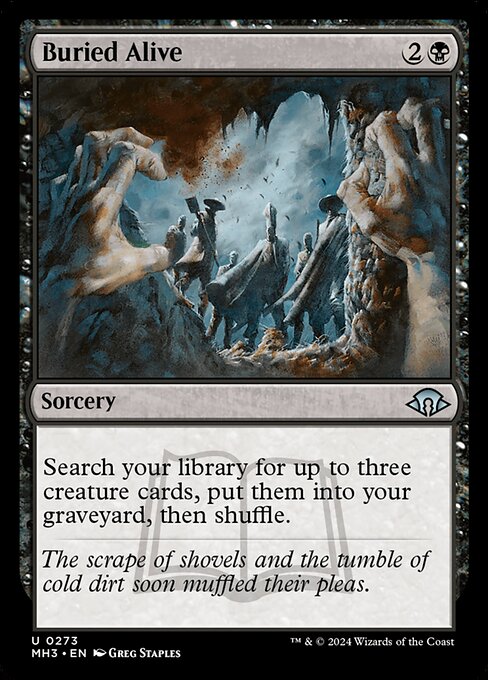



Betor can only return what is already in the graveyard, so we added ways to put creatures there on purpose. Buried Alive searches for up to three creature cards and puts them in the graveyard for  . Beledros, Canopy Gargantuan and Nykthos Paragon is the usual pile, and Betor, Moseo, Priest of Fell Rites and Will of the Abzan all pull from it. Viscera Seer is the sacrifice outlet. Sacrifice a creature in your second main phase, and as long as you lost at least its mana value in life that turn, Betor hands it back at the end step. That turns every enter trigger in the deck into a once-a-turn event and saves a creature from exile-based removal.
The cheap loops write themselves. Sakura-Tribe Elder sacrifices itself for a basic land; tap two Talismans for color that turn, or one plus Phyrexian Arena's upkeep point, and you have lost 2, so Elder (mana value 2) comes back at the end step and does it again next turn. Haywire Mite is the same loop as removal: for  it sacrifices itself to exile a noncreature artifact or enchantment, gains you 2 life as it dies, and comes back at the end step after any single point of life lost. Priest of Fell Rites taps, pays 3 life and sacrifices itself to return a creature card, and because you just lost 3, Betor returns Priest. Disciple of Freyalise sacrifices another creature when it enters to gain life and draw cards equal to that creature's power, and Betor returns the creature you fed it. Moseo, Vein's New Dean has his own version of the return clause keyed to life gained instead of lost, so a turn where you did both returns two creatures.
Removal, protection and how it ends
The interaction suite is the standard Abzan set: Swords to Plowshares, Path to Exile, Despark, Anguished Unmaking, Infernal Grasp, Feed the Swarm, Abzan Charm and the edict half of Will of the Abzan (each opponent sacrifices their biggest creature and loses 3). Three of those cost you life, which here is a feature. Shalai, Voice of Plenty gives you and your other creatures hexproof (opponents cannot target them), Selfless Spirit makes the team indestructible for a turn, Swiftfoot Boots protects Betor himself, and Kutzil stops opponents casting spells during your turn, which is when Betor and the end-step triggers resolve.
Games end one of two ways. The quiet way is a board of creatures with ten or more counters each, attacking with lifelink from Envoy, where every hit refuels every payoff. The loud way is Exsanguinate: for X, each opponent loses X and you gain the total. With Vito and Enduring Tenacity out, two opponents lose that total again, and Rhox Faithmender doubles the gain before they do. Exsanguinate for 6 in a four-player pod with Vito, Tenacity and Faithmender out is 6 from each opponent, 36 to you, and 36 more from each of two opponents. Bolas's Citadel has a third way: tap it and sacrifice ten nonland permanents, and each opponent loses 10.
The eight swaps
Every card named as cut below is out of the list.
- Cut Seedborn Muse, added Buried Alive. Muse untaps your permanents on each opponent's untap step, so what it gives you is mana and activations on their turns. Life you pay then (a Talisman tap, a Staff activation) does nothing at your own end step, which is the only end step Betor reads. Buried Alive stocks the graveyard Betor reads from.
- Cut Dragonlord Dromoka, added Archangel of Thune. Dromoka is a six-mana lifelink flyer whose clause about opponents not casting spells on your turn Kutzil already provides for three. Thune turns every life gain into a counter on every creature.
- Cut Shadrix Silverquill, added Heliod, Sun-Crowned. Shadrix triggers at the beginning of your combat and the two modes you choose have to target different players, so each trigger hands an opponent a card, a flyer or counters. Heliod costs three, is indestructible, puts a counter somewhere on every gain and grants lifelink for
 . He is only a creature once your devotion to white (the white mana symbols among your permanents) reaches five, which also keeps him out of most board wipes.
- Cut Sanguine Bond, added Trelasarra, Moon Dancer. Bond was the third and most expensive copy of "gain life, one opponent loses that much"; Vito and Enduring Tenacity stay. Trelasarra has the same trigger condition for two mana, growing and scrying instead.
- Cut Darkstar Augur, added Elas il-Kor, Sadistic Pilgrim. Augur was the third pay-life-to-draw upkeep engine next to Phyrexian Arena and Dark Tutelage, and the only one that dies in a board wipe. Three is one too many in a deck whose gain side already lives on creatures. Elas gains on every creature entering, including Betor's returns, and drains 1 per creature of yours that dies, which the sacrifice loops do every turn.
- Cut Stargaze, added Viscera Seer. Stargaze does set a life loss and put X cards in the graveyard in one spell, which is the plan, but it does it once. Seer is the sacrifice outlet that makes the return clause repeat every turn.
- Cut Greed, added Bolas's Citadel. Greed is and 2 life per card on a four-mana enchantment. Citadel lets you cast the top of your library for life instead of mana, so a deck that gains 10 or more a turn casts most of its spells for free, and every one of them is a life payment you chose. Citadel is a Game Changer (a card on the official high-impact list; bracket 3 allows up to three), and it is the deck's only one.
- Cut Rampant Growth, added Dina, Soul Steeper. Ramp (anything that gets you ahead on mana) goes from eleven pieces to ten: Sol Ring, Arcane Signet, the three Talismans, Farseek, Cultivate, Sakura-Tribe Elder, Faeburrow Elder and Kami. Dina takes 1 from each opponent per life gain, which is several a turn here.
Keeps, and the mistake everyone makes once
Keep a hand with two colors of land, a mana rock (an artifact that taps for mana) or a ramp spell, and a one-mana lifegain creature. Betor on turn four is the plan, and Soul Warden on turn one is what makes turn five explosive. A hand with no early life gain and no fast Betor is a mulligan, because the deck does nothing until both halves of the trigger are live.
The mistake is treating the return clause like the counter clause. You cannot pay 4 life to Doom Whisperer with Betor's trigger on the stack to return a seven-mana creature; it was never a legal target to choose. Lose the life in your main phases and let the end step cash it in. The second mistake is forgetting that Betor never grows himself, so plan the counters for Exemplar, Kami or a lifelink attacker instead.
And watch your own total. K'rrik, the Talismans, Phyrexian Arena, Dark Tutelage and Citadel all take life, and the deck's whole gain engine lives on creatures. After a board wipe you are a low-life player with no lifelink and two upkeep life losses still running. Children of Korlis refunds one big turn of payments (a Beledros activation, a Citadel chain), so sacrifice it at the end of that turn, or in response to a wipe on a turn you paid.
The decklist and its audit
Here is the full build. Its deck page has the copy button, and the bracket audit places it at bracket 3 with one Game Changer, Bolas's Citadel. No extra turns, no mass land destruction, no two-card infinite combos. The audit also notes that cutting Citadel would read as bracket 2, so if your pod plays lower, that single swap is the whole downgrade. Our brackets explainer covers what each number means.
Betor, Ancestor's Voice Bracket 3 (EDH)
- 1 Arcane Signet
- 1 Sol Ring
- 1 Staff of Compleation
- 1 Talisman of Hierarchy
- 1 Talisman of Resilience
- 1 Talisman of Unity
- 1 Swiftfoot Boots
- 1 Haywire Mite
- 5 Forest
- 5 Plains
- 7 Swamp
- 1 Archangel of Thune
- 1 Exemplar of Light
- 1 Canopy Gargantuan
- 1 Disciple of Freyalise // Garden of Freyalise
- 1 Essence Warden
- 1 Envoy of the Ancestors
- 1 Soul Warden
- 1 Children of Korlis
- 1 Priest of Fell Rites
- 1 Doom Whisperer
- 1 Rhox Faithmender
- 1 Sakura-Tribe Elder
- 1 Kami of Whispered Hopes
- 1 Selfless Spirit
- 1 Wall of Reverence
- 1 Faeburrow Elder
- 1 Indulging Patrician
- 1 Scheming Silvertongue // Sign in Blood
- 1 Viscera Seer
- 1 Dark Tutelage
- 1 Hollowmurk Siege
- 1 Lunar Convocation
- 1 Phyrexian Arena
- 1 Ripples of Undeath
- 1 Nykthos Paragon
- 1 Nyx-Fleece Ram
- 1 Enduring Tenacity
- 1 Abzan Charm
- 1 Anguished Unmaking
- 1 Despark
- 1 Infernal Grasp
- 1 Inspiring Call
- 1 Path to Exile
- 1 Swords to Plowshares
- 1 Bojuka Bog
- 1 Brushland
- 1 Caves of Koilos
- 1 Command Tower
- 1 Deceptive Landscape
- 1 Evolving Wilds
- 1 Exotic Orchard
- 1 Fortified Village
- 1 Isolated Chapel
- 1 Llanowar Wastes
- 1 Overgrown Farmland
- 1 Path of Ancestry
- 1 Sandsteppe Citadel
- 1 Sungrass Prairie
- 1 Sunpetal Grove
- 1 Temple of Silence
- 1 Twilight Mire
- 1 Woodland Cemetery
- 1 Canopy Vista
- 1 Bolas's Citadel
- 1 Shalai, Voice of Plenty
- 1 Moseo, Vein's New Dean
- 1 Kutzil, Malamet Exemplar
- 1 Dina, Soul Steeper
- 1 Willowdusk, Essence Seer
- 1 Beledros Witherbloom
- 1 Trelasarra, Moon Dancer
- 1 K'rrik, Son of Yawgmoth
- 1 Elas il-Kor, Sadistic Pilgrim
- 1 Ikra Shidiqi, the Usurper
- 1 Lathiel, the Bounteous Dawn
- 1 Vito, Thorn of the Dusk Rose
- 1 Heliod, Sun-Crowned
- 1 Buried Alive
- 1 Cultivate
- 1 Exsanguinate
- 1 Farseek
- 1 Feed the Swarm
- 1 Night's Whisper
- 1 Will of the Abzan
- 1 Betor, Ancestor's Voice
If you take it to your table, record the games on Nerd Leagues and the deck's rating will tell you whether the loops close games or whether the pod has learned to kill Betor on sight. The Abzan Armor precon it came from is on our precons page, every card from Tarkir: Dragonstorm Commander is on the set page, and if you want another legend from the same precon cycle built the same way, we did Teval, the Balanced Scale.

Keep Reading
Sauron, the Dark Lord Commander Deck: A Bracket 3 Build That Pays You to Discard
November 06, 2026
Kefka, Court Mage Commander Deck: A Bracket 3 Grixis Build That Taxes Every Discard
November 09, 2026
Comments
Join the conversation.