

The Combat Phase in Magic: The Gathering, Step by Step

The combat phase in Magic: The Gathering is where the action happens — where you turn your creatures into weapons and your opponents into targets. If you're new to Magic, combat can feel overwhelming because a lot happens in a short time. This guide breaks it down into its five steps so you understand exactly when you can act, what your opponent can do, and how damage gets dealt.
What Is the Combat Phase and Why Does It Matter?
The combat phase is its own phase of the turn, sitting between your first and second main phases. It's where you declare which of your creatures will attack, your opponent chooses how to block, and then damage is dealt. It's the game's central interaction: attacking and blocking. Understanding the structure of combat means you'll know when you can cast spells, when your opponent makes their choices, and how to make smart decisions about which creatures to send into battle.
The Five Steps of Combat in Magic
Combat isn't just "attack and block." Magic breaks the combat phase into five distinct steps, and knowing each one helps you play correctly and avoid costly mistakes.
Step 1: Beginning of Combat
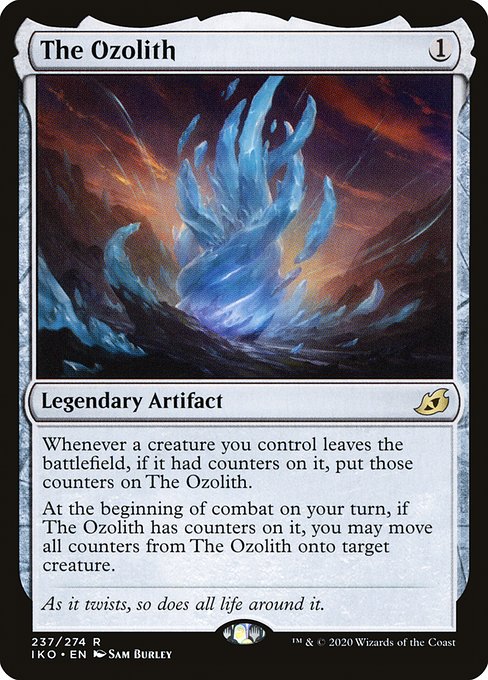
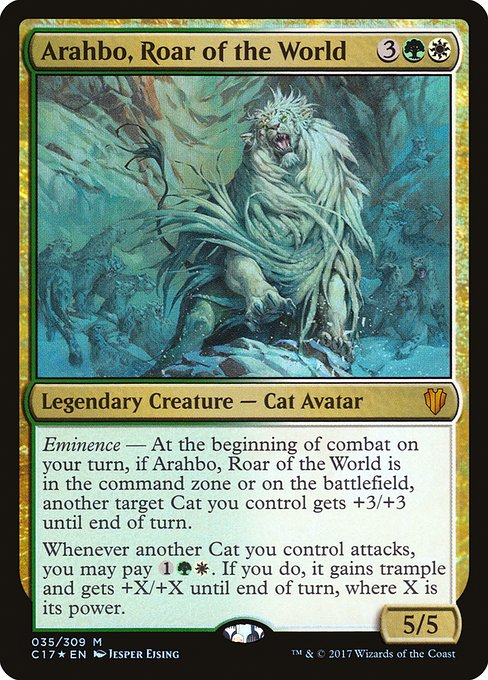
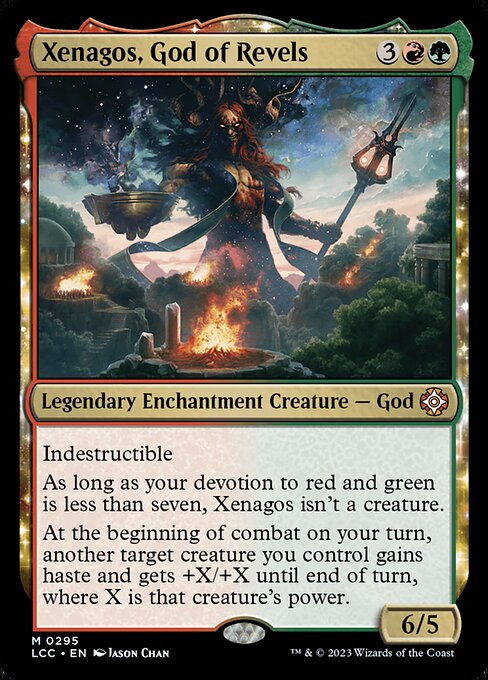
This is the first moment of the combat phase. No creatures are attacking yet, but abilities that trigger "at the beginning of combat" happen now. You don't declare attackers yet; this step is a checkpoint for effects that trigger early. Both players get a chance to cast instant-speed spells or activate abilities here — for the defending player, this is the last window to act before knowing which creatures will attack.
Step 2: Declare Attackers
Now it's time to decide which of your creatures will attack. You, the attacking player, have full control here. Choose any of your untapped creatures, announce them as attackers, and declare which opponent, planeswalker, or battle each one is attacking. You don't have to attack with all your creatures — that's entirely your choice.
Key rules to remember:
- Attacking creatures become tapped when you declare them as attackers. Creatures with vigilance are the exception — they attack without tapping and can still block on the next turn.
- A creature can't attack if it's already tapped.
- Creatures with summoning sickness (they came under your control this turn) can't attack unless they have haste.
After you declare attackers, players get priority (starting with you), giving your opponent a key window to respond with instants or abilities before blockers are declared. This is a critical moment: they might use a removal spell on one of your attackers, boost their creatures, or set up their defense.
Step 3: Declare Blockers
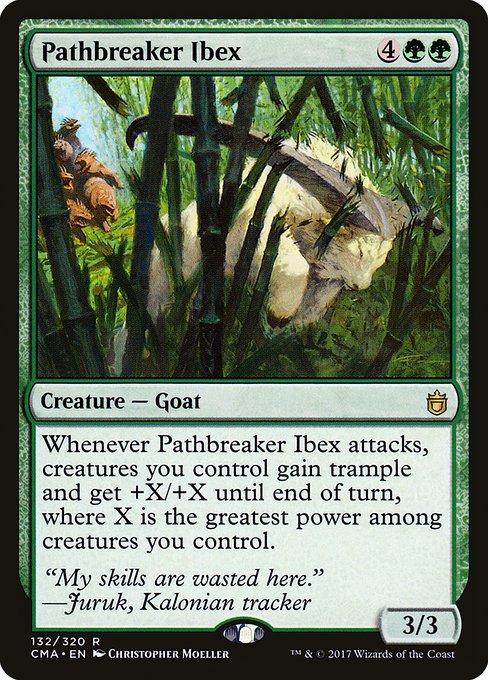
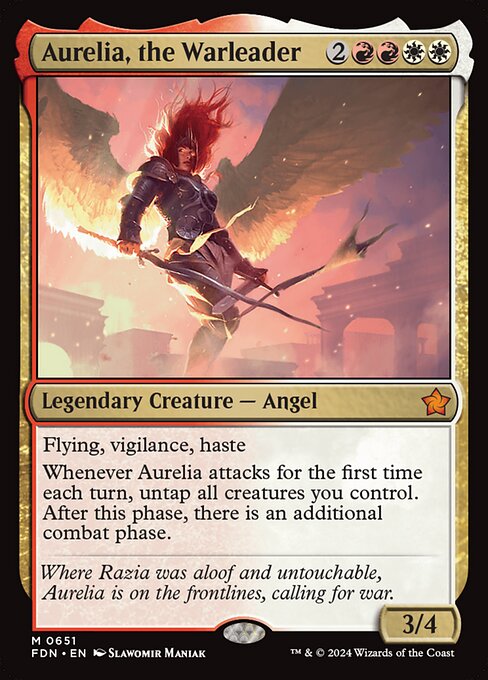
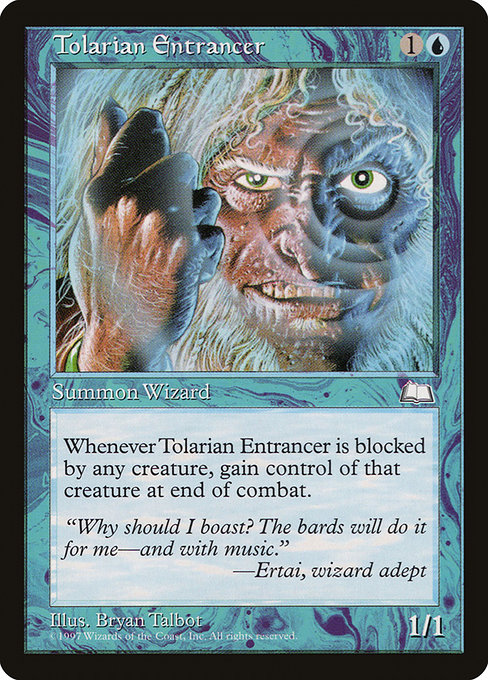
Now your opponent gets to defend. For each of your attacking creatures, your opponent can choose one or more of their untapped creatures to block it. Multiple blockers can gang up on a single attacker — that's the standard way to take down a big threat. The reverse isn't true by default: each blocker can only block one attacker, unless it has an ability that says otherwise.
Your opponent chooses:
- Which attackers to block, and which to let through unblocked
- How many creatures to assign to each blocked attacker
- Whether to block at all — blocking is never mandatory
After blockers are declared, both players get a chance to respond with instant-speed spells or abilities. This is your last window for combat tricks. If you want to pump your attacker, save a creature from dying, or otherwise change the outcome of combat, it has to happen now — once damage starts, it's too late to respond.
Step 4: Combat Damage
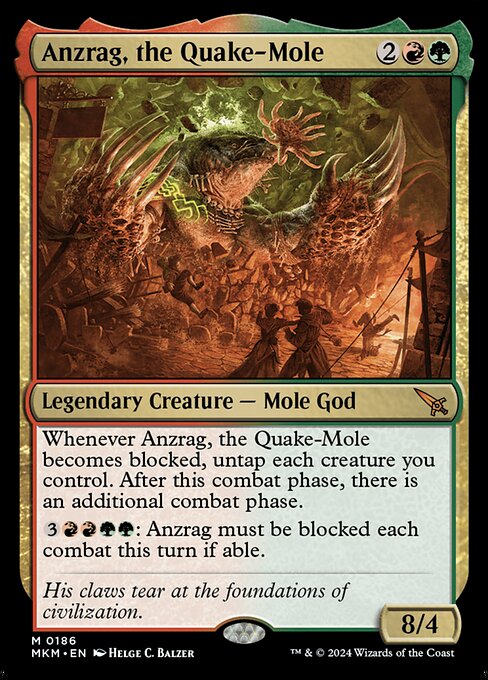
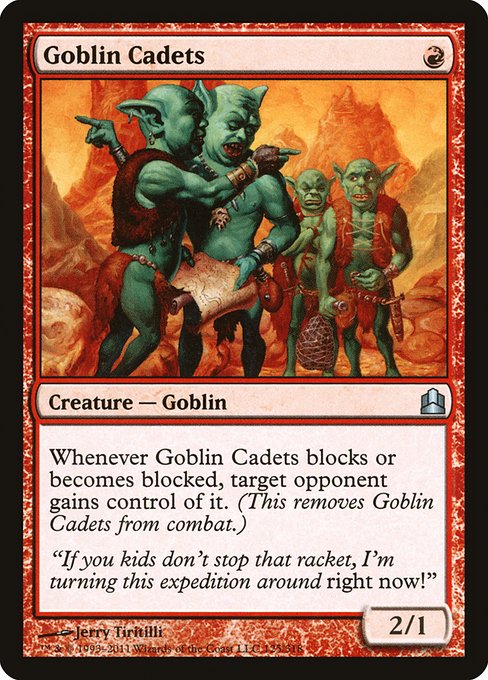
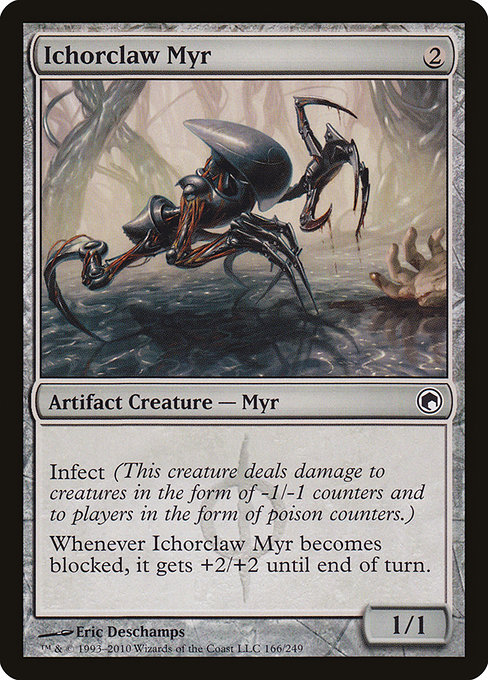
This is where creatures actually deal damage. Each unblocked attacker deals damage equal to its power to the player or planeswalker it's attacking. Each blocked attacker deals its damage to the creatures blocking it, and each blocker deals damage equal to its power back to the attacker it's blocking. If an attacker is blocked by multiple creatures, the attacking player chooses how to divide its damage among them.
Damage is dealt simultaneously. This means that if a creature would be dealt lethal damage by a blocker, it still deals its own damage back — it doesn't "die first" and stop swinging. This is crucial for evaluating trades, especially with creatures whose toughness outpaces their power.
Important rule: combat damage doesn't use the stack. Once the combat damage step begins, damage is assigned and dealt in one motion — there's no window to respond between assignment and dealing. That's why your combat tricks belong in the declare blockers step.
Step 5: End of Combat
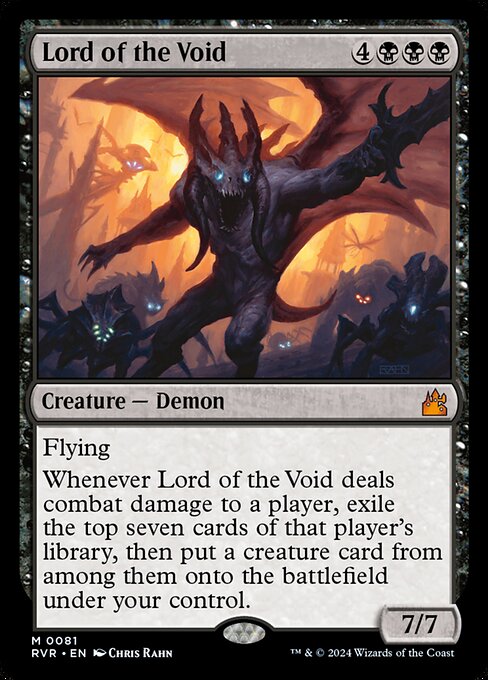
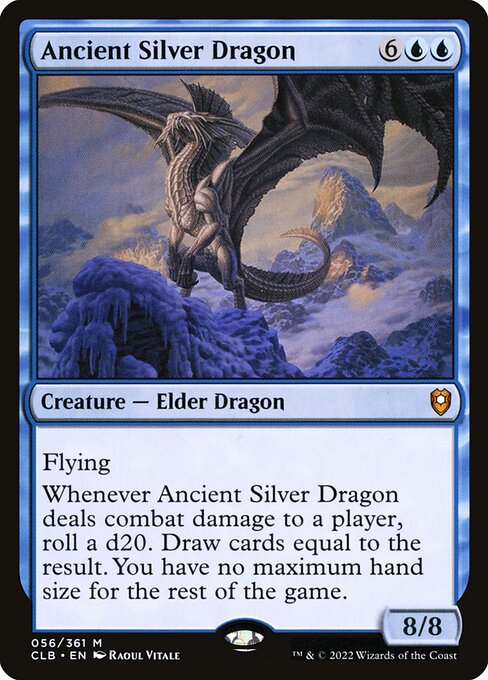
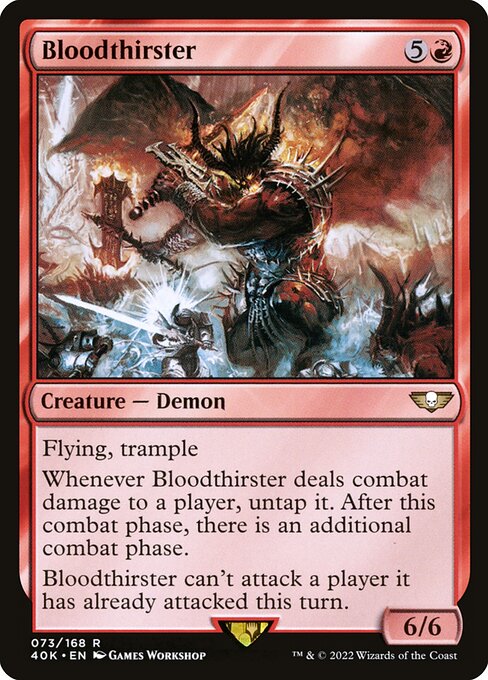
Once damage is dealt and any creatures with lethal damage have died, combat wraps up. Abilities that trigger "at end of combat" happen now. Your attackers stay tapped (they won't untap until your next untap step, unless they have vigilance and never tapped), and the game moves to your second main phase. From there, you can cast more spells or pass the turn.
Common Combat Mechanics Explained
Understanding the five steps is the foundation, but several keywords change how combat works:
Trample: A creature with trample can push "excess" damage through to the defending player. The attacker only needs to assign lethal damage to its blockers — the rest tramples over. For example, a 5/5 with trample blocked by a 2/2 assigns 2 damage to the blocker and 3 to the defending player.
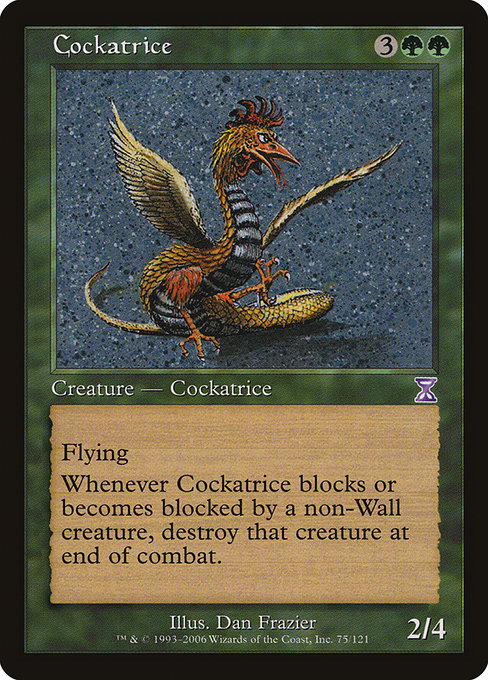
Flying: Creatures with flying can only be blocked by other creatures with flying or reach. This makes flyers reliable attackers against grounded boards — but remember, they're evasive, not unblockable.
Menace: A creature with menace can't be blocked by exactly one creature — your opponent has to commit two or more blockers or let it through. This forces awkward blocks and punishes thin defenses.
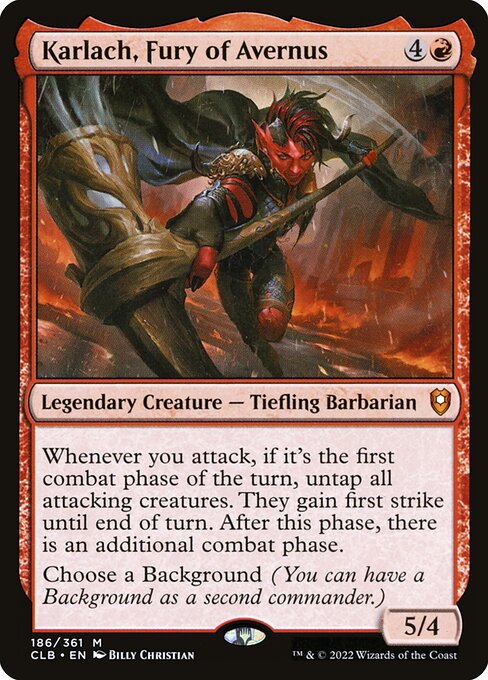
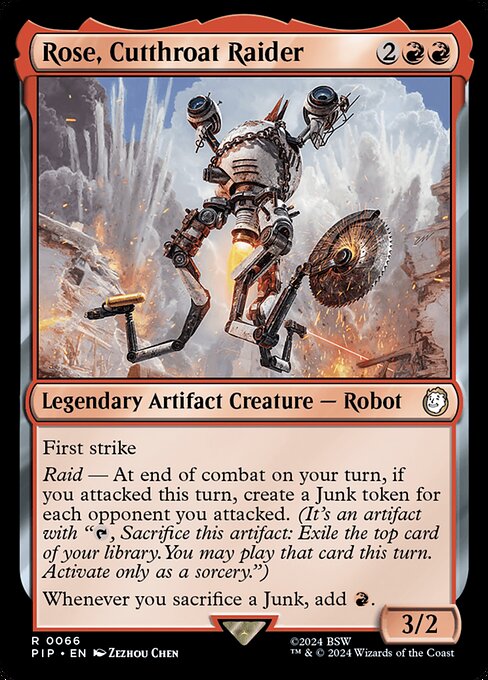
First Strike and Double Strike: When any creature in combat has first strike or double strike, there's an extra combat damage step. First strikers deal their damage in the first step; everything else deals damage in the second. Double strike creatures deal damage in both — hitting twice in a single combat.
Unblockable: Some creatures simply "can't be blocked," whether from their own abilities or from spells that grant it temporarily. Unlike flying or menace, there's no workaround — the damage is coming through.
Practical Combat Tips for New Players
Plan your attacks: Before combat, think through your opponent's likely blocks. Do they have flyers? Untapped mana for a trick? Sometimes not attacking is the right play.
Hold up mana for instants: After you declare attackers, your opponent gets to respond. If you have instant-speed spells that pump your creatures or clear away blockers, leave the mana open to cast them.
Remember the order of actions: You declare attackers → opponent responds → opponent declares blockers → both players respond → damage is dealt all at once. Knowing when each player has priority is what separates clean combat from feel-bad mistakes.
Count power and toughness carefully: It's easy to miscalculate damage, especially with multiple blockers or pump effects. Double-check your math before you commit.
Ask yourself: Is this trade worth it? When creatures collide, think about the exchange. Is losing your creature worth the damage you're dealing? Is stopping three damage worth giving up a key defender?


Quick Recap
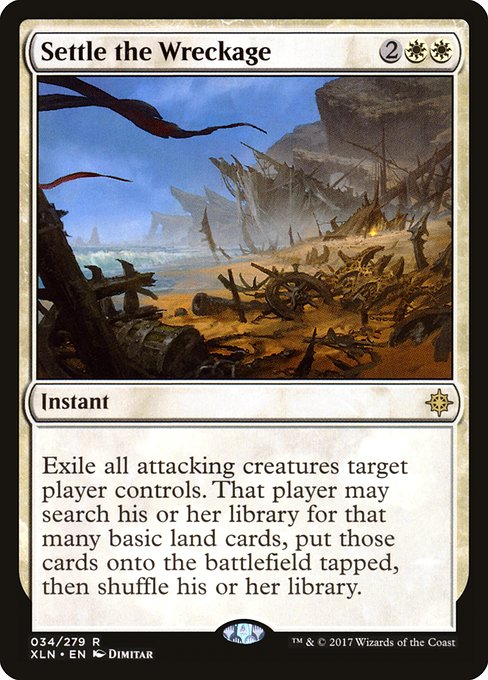
The combat phase is the heartbeat of Magic: The Gathering. Its five steps — beginning of combat, declare attackers, declare blockers, combat damage, and end of combat — each give both players a moment to act, and knowing when you have priority is the key to winning combat exchanges. Get your tricks in during the declare blockers step, remember that damage is simultaneous, and count carefully. Whether you're playing Commander, Standard, or kitchen-table Magic, mastering combat is what turns a pile of creatures into a win.
-
1
Magic: The Gathering Board Layout & Game Zones Explained
2
Magic: The Gathering Turn Phases Explained for Beginners
3
All Evergreen MTG Keywords Explained
4
MTG Stack and Priority Explained: When Can You Respond?
- 5 The Combat Phase in Magic: The Gathering, Step by Step You are here


Comments
Join the conversation.