

The History of Commander: From Kitchen Table to Official Format
What Is Commander and Where Did It Come From?
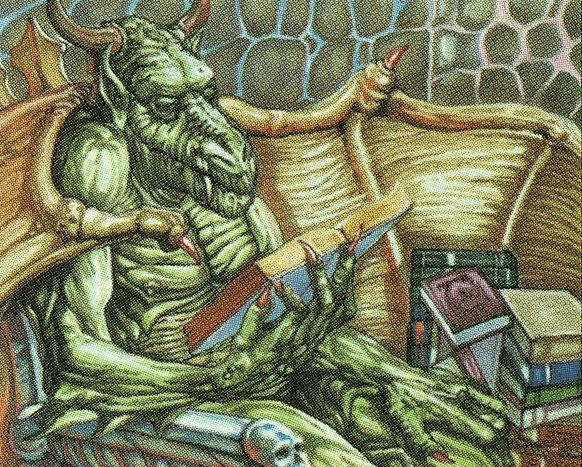
Commander, officially titled by Wizards of the Coast and also known as Elder Dragon Highlander (EDH), is a casual multiplayer format for Magic: the Gathering and a Highlander-variant eternal format with specific rules centered around a legendary creature called the commander. This 100-card singleton format focuses on social interaction, high-variance gameplay, and personal expression through a legendary "Commander." But Commander's path to mainstream success wasn't straightforward—it began as a grassroots format that players built, refined, and championed for nearly two decades before Wizards of the Coast officially recognized it.
The Early Origins: 1996 and Two Parallel Beginnings
The July 1996 edition of The Duelist featured a "house rules" format called Elder Dragon Legend Wars. Jesus M. Lopez presented a format he created, which he called "Elder Dragon Legend Wars," and while the format is not identical to what we see in EDH today, it certainly reads like a precursor to the format.
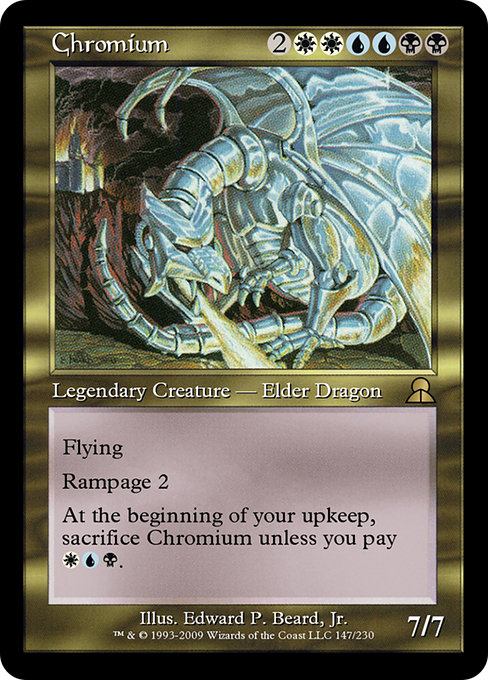
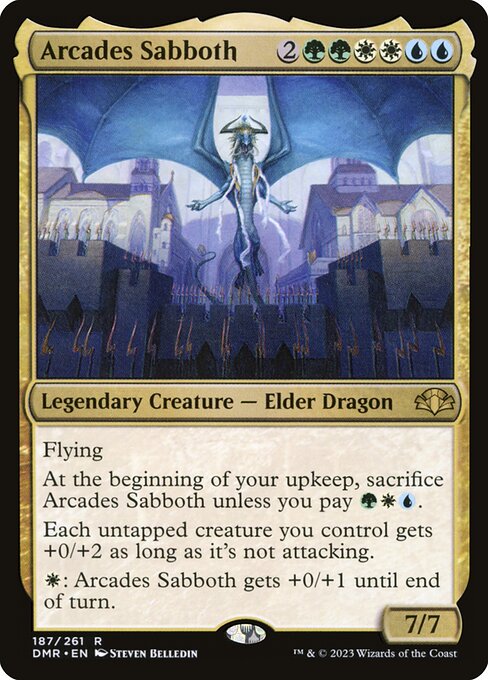
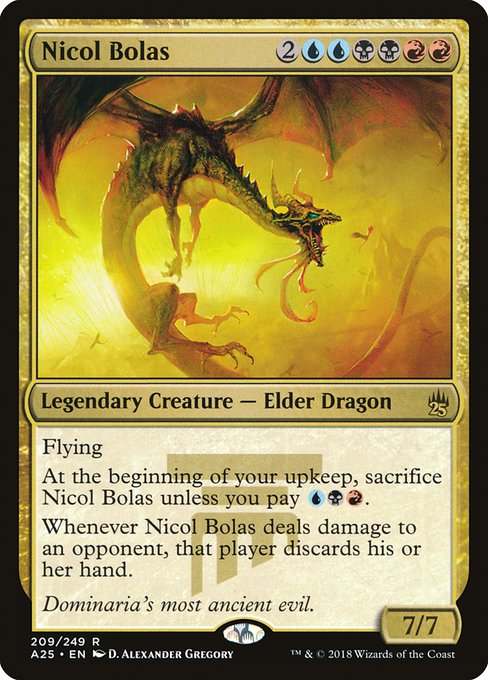
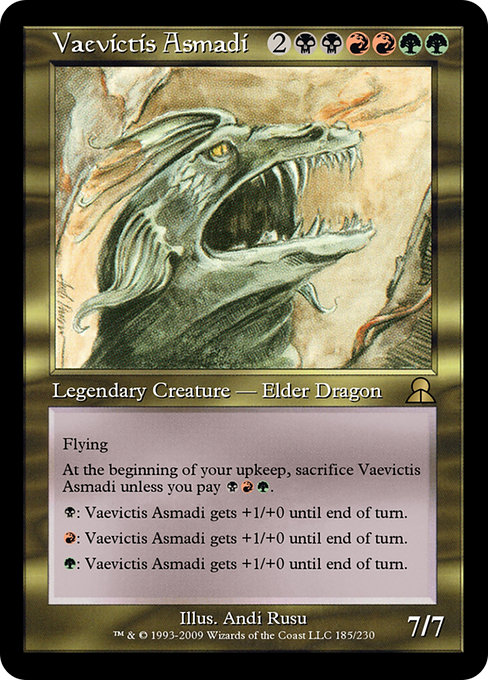
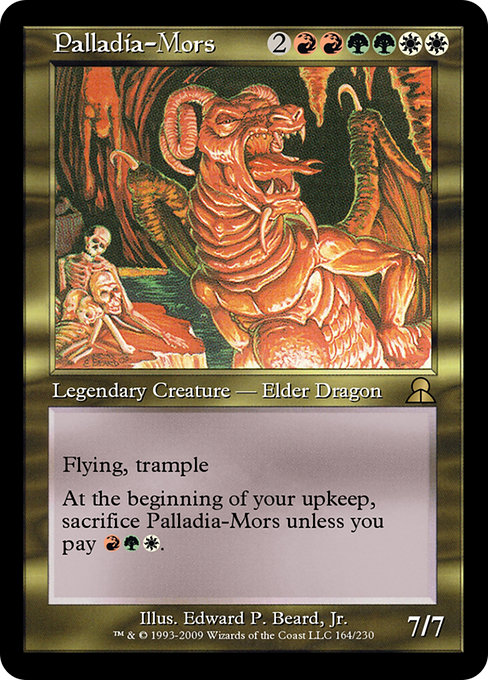
Around the same time, Alaskan Magic player Adam Staley created a similar format, which he dubbed "Elder Dragon Highlander." The "Elder Dragon" part referred to the legendary dragons from Legends, like Nicol Bolas, and the "Highlander" part referred to the fact that you could only have a single copy of any non-basic land card in your deck. It comes from the 1986 film of the same name, which featured immortal warriors fighting one another, with the famous tagline "There can be only one." The original fan-created format, Elder Dragon Highlander (EDH), was developed by Adam Staley in the late 1990s and became a staple of his local play groups in Alaska.
The Grassroots Explosion: 2002 to 2006
The game slowly spread amongst Magic players, and it was especially popular amongst Magic judges, and they would play it during downtime at events like the Pro Tour. Then, in 2004, the format really exploded. That year, Sheldon Menery wrote an article about the format for SCG, and many people were introduced to the format by his article.
Menery along with other Pro Tour judges, Gavin Duggan and Duncan McGregor, created a rules committee with an official website. This volunteer-run Rules Committee would become crucial to the format's identity, managing bans, rulings, and the overall direction of the format for the next eighteen years.
Wizards Takes Notice: 2005 to 2011
In 2005, Scott Larabee was introduced to the new format by the judges on the Pro Tour. Scott worked for Wizards of the Coast as the Pro Tour manager. Over the next several years he would champion the format, and it would ultimately be his efforts that led to the release of Commander in 2011.
At one point, around the latter half of the 2000s, Wizards understood that the casual gamer was an important part of its consumer market. The company then decides to launch a series of special products aimed at this audience. Encouraged by the success of Duel Decks, they decided to release products made specifically for multiplayer games. Thus came the sets Planechase in 2009, Archenemy in 2010 and Commander in 2011.
The Official Launch: June 2011
It was only eleven years ago that Commander became an official Magic format. By the time they formally recognized it with the release of Commander, it had actually been around for about 15 years. In naming the format, Wizards of the Coast shied away from "Elder Dragon Highlander," largely because of concerns that using the word "Highlander" might result in legal action, as a result of the fact that it came directly from another intellectual property.
The first official Commander release featured five preconstructed decks, bringing 51 brand-new cards that were exclusive to Commander and eternal formats like Legacy. These three-colored decks were opposite of the initial three-color Elder Dragons players could pick from, giving players access to Mardu, Temur, Abzan, Jeskai, and Sultai decks.
Commander 2011's preconstructed decks weren't such an explosive bestseller, but the EDH format became even more popular thanks to the visibility that product gave it. It didn't take long for the Magic community to realize that Commander was a phenomenon, and it was here to stay.
The Format's Impact on Card Economics and the Game
The format has grown exponentially in several countries to the point that it has drastically changed the representation of casual players, moving towards becoming a better defined niche within the Magic: the Gathering community. Stores that had pounds of stranded cards in their stocks suddenly found themselves faced with a growing demand for old, forgotten singles like Sol Ring, Demonic Tutor and countless others who were destined to never see play again somewhere. Their time was coming back, as they were not only legal, but excellent in Commander as well.
The demand for Commander decks and staple cards drove Wizards to continue supporting the format. Wizards of the Coast got the message and announced a second edition of Commander decks that was released in November 2013. From there, Commander support has grown exponentially, with themed preconstructed decks released annually and entire supplemental sets dedicated to the format.
From Rules Committee to Wizards Management (2024)
The official Commander format was initially "the only sanctioned format maintained by an outside entity" other than Wizards of the Coast. While the Commander format had been overseen by a volunteer group of players since its inception, the group voluntarily turned over management of the format to Wizards of the Coast in September 2024 following player controversy over certain card bans.
This transition marked the end of an era for the volunteer-run Rules Committee, which had guided the format for nearly two decades. With Wizards now taking full control, Commander's future direction rests entirely with the company—a significant shift in how Magic's most popular format will be governed and evolved.
Why Commander Became Magic's Most Popular Format
Much of the fun in Commander comes from the freedom and creativity players pour into their decks. Not restricted to the rigid optimization of other constructed formats like Modern and Legacy, Commander gives you the chance to take your favorite cards and use them in ways they were never intended. The format rewards personal expression over raw power optimization, which appeals to a much broader player base than competitive constructed formats.
Commander's trajectory from a kitchen-table variant to the official centerpiece of Magic shows what can happen when a passionate community builds something organic. Wizards eventually recognized what players had known for years: there was massive demand for a social, creative, multiplayer experience. By officially supporting Commander, Wizards tapped into one of the game's most lucrative and engaged player bases—and the format's continued growth shows no signs of slowing down.


Comments
Join the conversation.