

When to Hold Up Interaction vs. Develop Your Board in Commander

Short answer: develop by default, and hold up interaction only when you can name the specific play you're afraid of. Vague fear of "something happening" is the most expensive habit in Commander — it slows you down against three opponents at once.
Why Holding Up Mana Costs More in Multiplayer
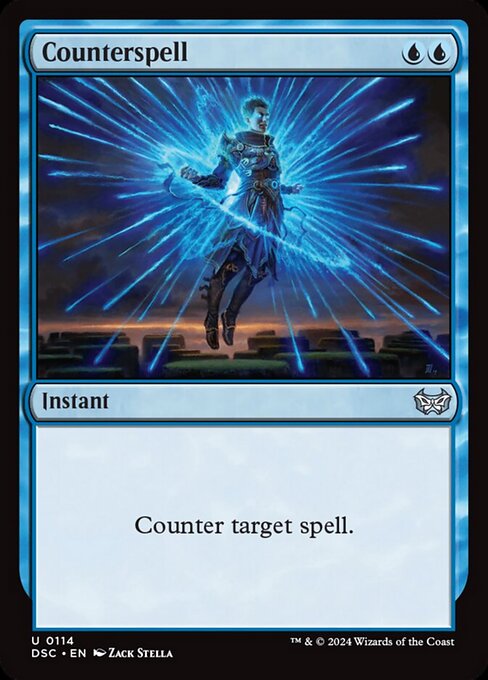
In a 1v1 game, passing with Counterspell up costs you one turn of development against one opponent. In Commander, that same pass puts you a turn behind three players simultaneously. While you held two mana for a threat that never came, three separate board states got better.
There's a second tax on top of that. Most interaction is a one-for-one trade — your card for their card. Against one opponent that's even; against three, you spent a card and a turn to solve a problem for the whole table while only you paid for it. That's why reflexively holding up answers every turn slowly loses games that never feel lost in the moment.

The Test: Can You Name the Threat?
Before you pass the turn with mana up, ask one question: what exact card or play am I holding this for, and does it actually lose me the game?
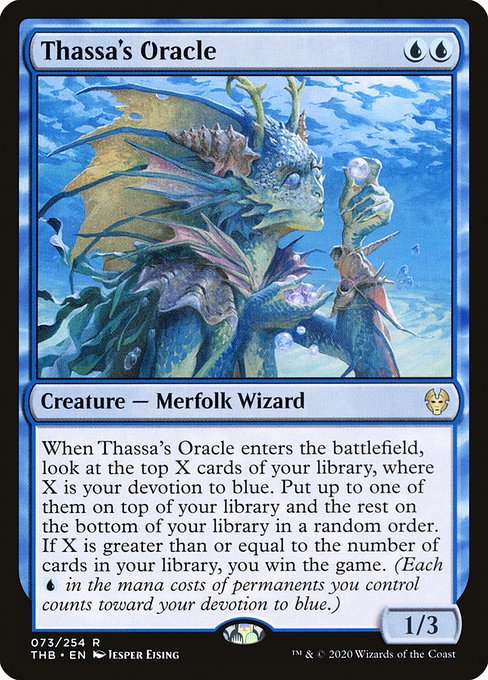
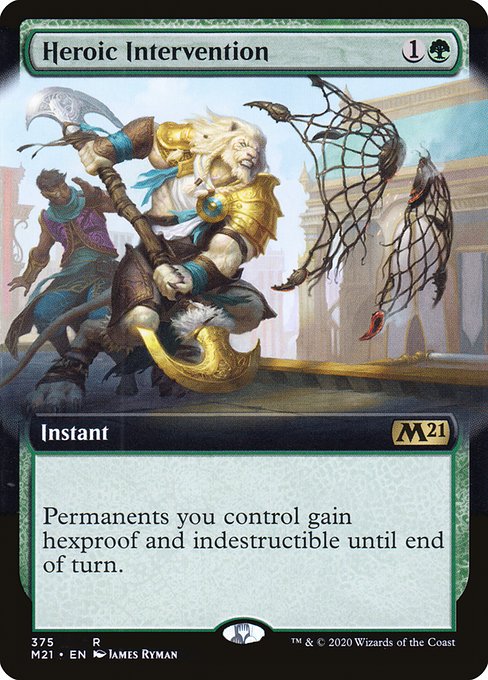
If the answer is specific — "the combo player untaps with eight mana and I die to the Thassa's Oracle line," or "my whole board dies to a wipe and Heroic Intervention saves it" — hold up. If the answer is "I don't know, something might happen," play your spells. You can't hold up answers to everything, so unnamed fear just converts your mana into nothing, turn after turn.
When Holding Up Is Clearly Right
- A combo deck has reached critical mass. If the Rhystic Study player has tutored twice and hit seven mana, this is the turn your counterspell exists for.
- A board wipe would end you. When you're the biggest board and everyone's staring at you, protection like Teferi's Protection is worth a full turn of development.
- Someone tutored last turn. A tutor is a warning shot — whatever they found is coming, and it's usually worth respecting.
- You're one removal spell from dying. If a single attacker or drain effect kills you specifically, the answer is the development.
When You Should Just Develop
Early turns, almost always — the first four turns of a Commander game reward mana spent on board and rocks far more than mana held for hypotheticals. You should also develop when you're clearly behind, because interaction can't win from a deficit, only slow the loss.
And here's the multiplayer-specific one: when someone else at the table is the answers player. If the dedicated control deck is sitting on open blue mana, let them pay the one-for-one tax. Deciding how much targeted removal your deck actually needs starts with accepting you're one of three possible responders, not the table's only police.
Split the Difference with Flexible Mana
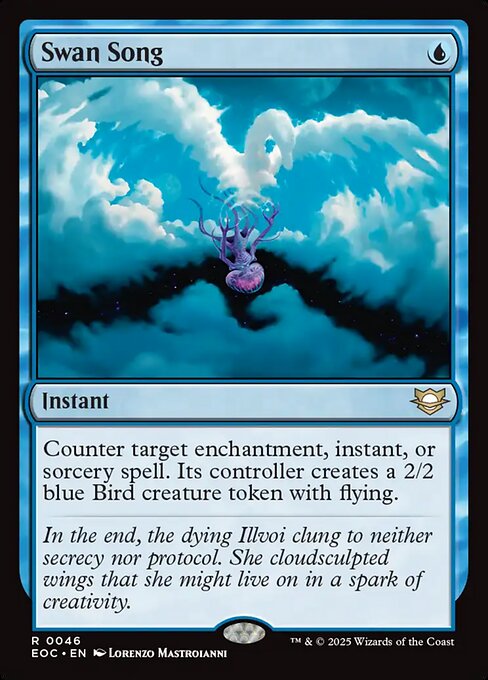
The best players cheat this whole dilemma by holding up mana that has a plan B. Cheap, flexible instants like Swan Song and Rapid Hybridization cost so little that holding them barely slows you down. Effects you can aim at any problem, like Beast Within, are worth holding longer than narrow ones. And if nothing scary happens by the second main phase, mana held for interaction can become a draw spell or an activated ability instead of evaporating.
If you want the honest data on whether your instincts are right, record your pod's games and watch the pattern: tracking results in a league makes it obvious whether your wins come from the turns you developed or the turns you sat back. Most players are surprised by the answer.
Once you've mastered holding back, the harder skill is the opposite one — knowing when to stop developing and actually end the game.


Comments
Join the conversation.