

How to Close Out a Game of Commander (Stop Durdling)
Short answer: when you're ahead, count the damage, pick a kill turn, and commit — the most common way to lose a winning position in Commander is spending two more turns "getting safer" while three opponents dig for answers.
Know What Winning Actually Looks Like for Your Deck
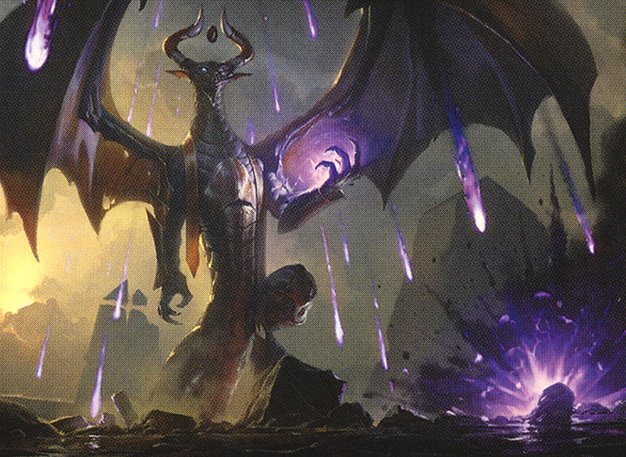
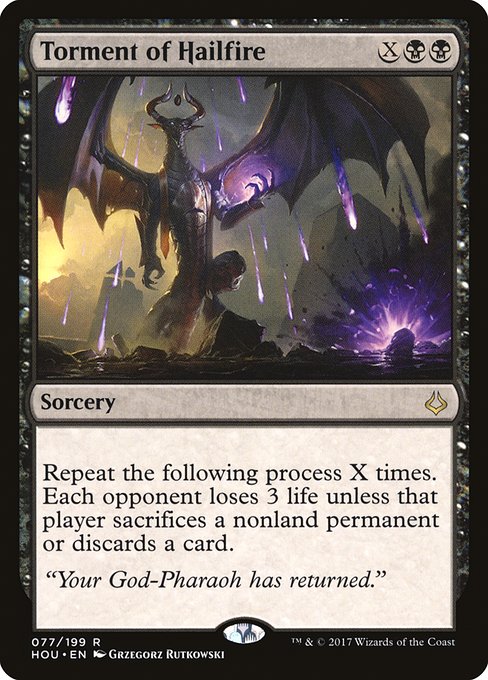
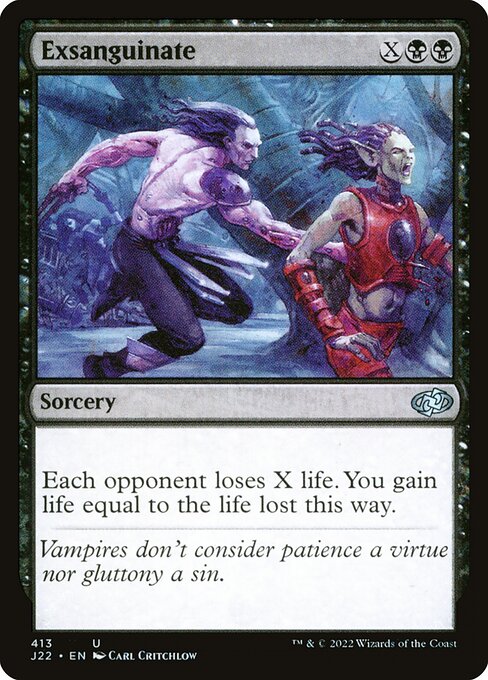
Every Commander deck has two or three real ways it ends games: combat damage, a combo line, or a big drain like Torment of Hailfire or Exsanguinate. If you can't name yours out loud, you'll durdle by default, because every turn will feel like setup for a win you never defined.
Figure this out before the game, not during it. Paste your list into the Combo Finder and you'll see exactly which finishing lines your 99 actually contains — plenty of players discover their "value deck" has a real kill in it they've never once assembled on purpose.
Do the Damage Math Out Loud
Winning through combat in Commander is mostly arithmetic that nobody does. Add up your power, multiply the overrun effect, and check it against real life totals — not a vague sense of "that's a big board."
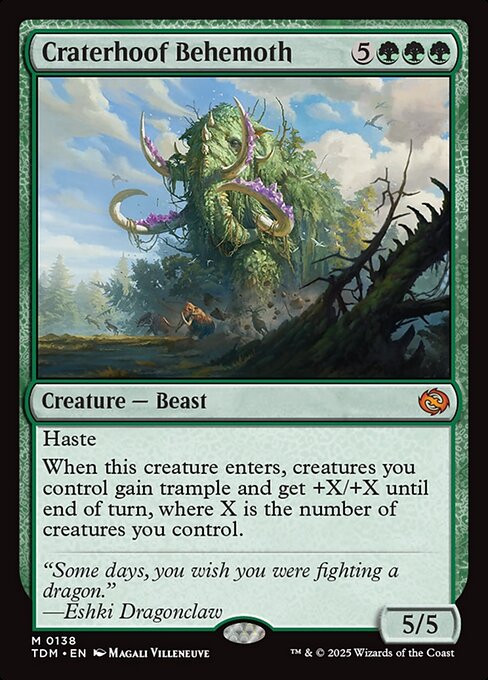

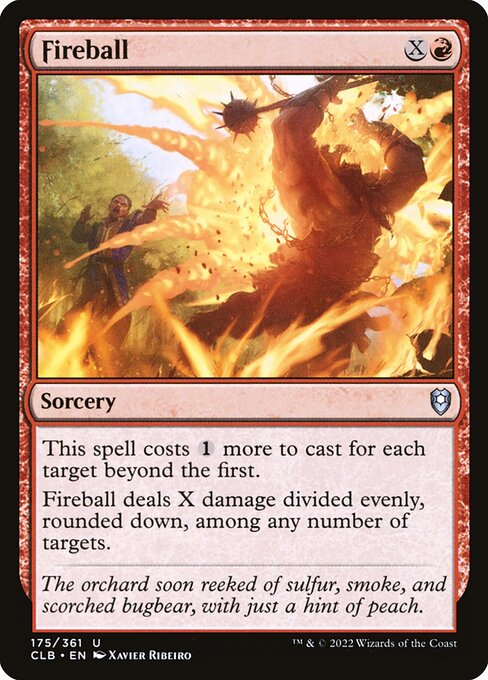
A Craterhoof Behemoth into six creatures isn't "a big attack," it's a specific number, and if that number is lethal to two players and leaves the third at four, that's a win next turn — which changes everything about how you should play this one. Who you point that damage at is its own skill, and it's the one we covered in threat assessment: how to pick your targets.
The Value Trap: When One More Draw Spell Loses You the Game
Card advantage is a means, not a win condition. The classic losing line in Commander is having lethal on board, casting a draw spell instead "to play it safe," and passing — handing three opponents a full turn cycle to find the board wipe.
Here's the test: if resolving this value spell doesn't make your kill turn earlier, it isn't progress, it's a donation of time. Three opponents means the table draws roughly three answers for every one card you see. Time is never on your side when you're winning.
Time the Kill Turn Around the Table's Interaction
Closing out isn't just going fast — it's sequencing. Count the open mana around the table before you go for it. If the blue player has held up two islands all game, present your secondary threat first and make them spend the counter, then deploy the real one. Threat before payoff, bait before bomb.
The same logic applies in reverse: your kill turn is safest right after a big turn from someone else, when the table's answers just got spent. And if you're about to swing everything, know in advance whether you can protect the board from the wipe that a lethal attack invites.
When to Go for It Even Though It Might Fail
Sometimes the win attempt is only 60% to work. Take it anyway. In a four-player game there is always a clock — someone else is also assembling a win, and every turn you wait, the odds that it's their game instead of yours go up. A 60% attempt this turn beats a 90% attempt that never arrives.
This is where recorded games are brutally honest. If your deck's rating keeps bleeding in long games, the deck probably isn't the problem — the pilot's patience is. Log your pod's games for a month and check whether your losses cluster in the games that went longest. And if you haven't yet, read the companion skill to this one: when to hold up interaction vs. develop — closing and holding back are the same judgment call, pointed in opposite directions.



Comments
Join the conversation.